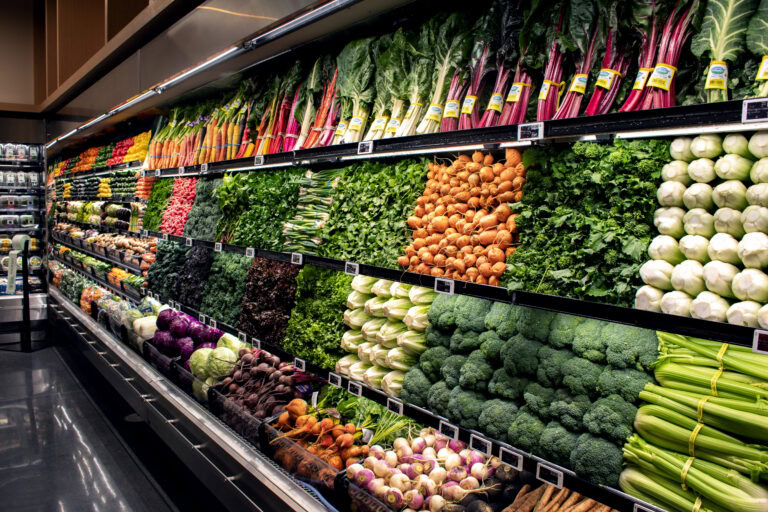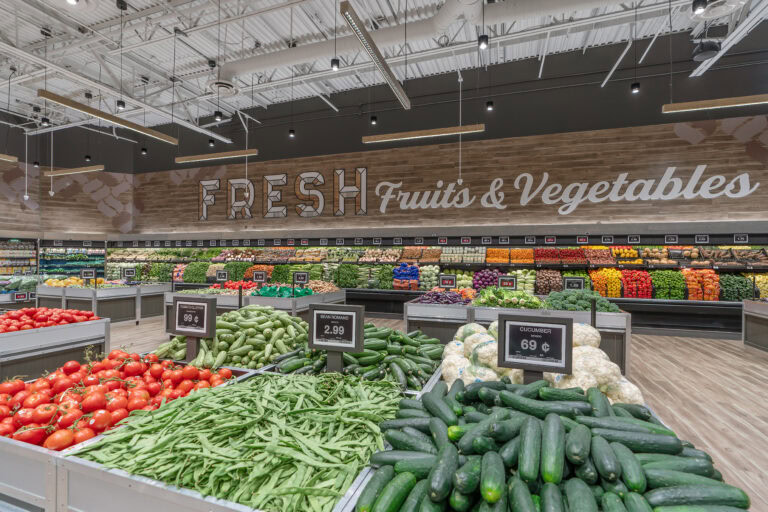




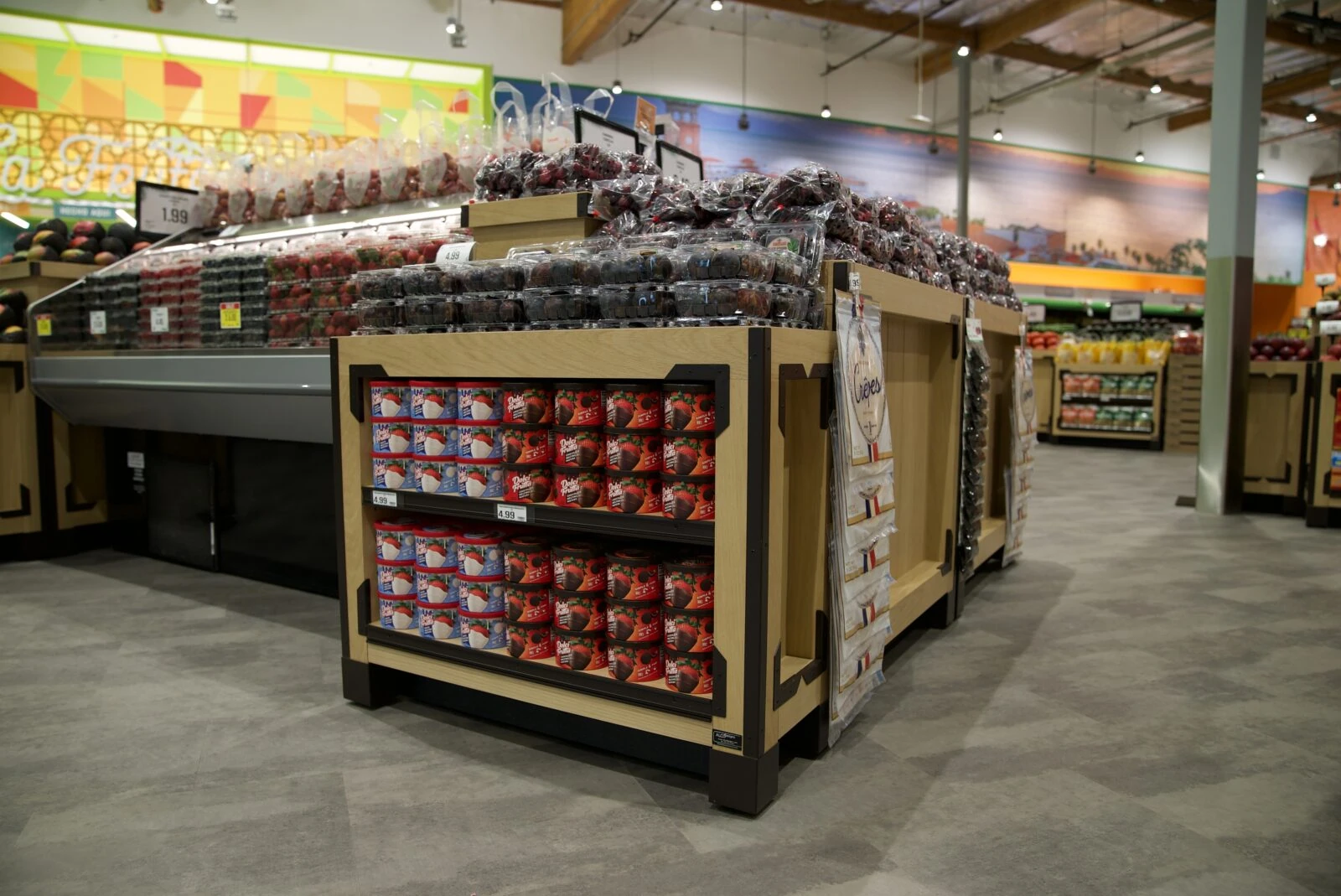
Cross merchandising in produce is not about making the department look nicer. It is about increasing shopping volume, improving flow, and driving impulse purchases without adding square footage.
That is why retailers care.
For produce directors and category managers, every fixture choice needs justification. Visual appeal alone does not support capital spend. Performance does.
Cross merchandising works simply because it delivers real results.
Why Retailers Prioritize Cross Merchandising
Retailers are responsible for sales driven per square foot. They also need to explain display decisions to leadership teams who want predictable outcomes, not trends.
Cross merchandising helps buyers answer practical questions:
- How does this increase the average basket?
- How does this drive incremental revenue?
- How does this improve the shopping experience without adding labor?
When done well, cross merchandising becomes an easy tactic to implement internally.
Why Certain Product Pairings Consistently Perform
Successful cross merchandising is built on shopper behavior patterns, not random creativity. Shoppers do not want to be inspired. They want shopping to feel obvious and easy.
That is why the most effective pairings are familiar and functional.
Examples that consistently perform across stores:
Tomatoes, onions, and peppers
These items are commonly used together and already linked in shoppers’ minds. Grouping them removes friction and increases multi item purchases.
Avocados, limes, and cilantro
This combination works because it immediately triggers a use case. Shoppers recognize the pairing and add items without hesitation.
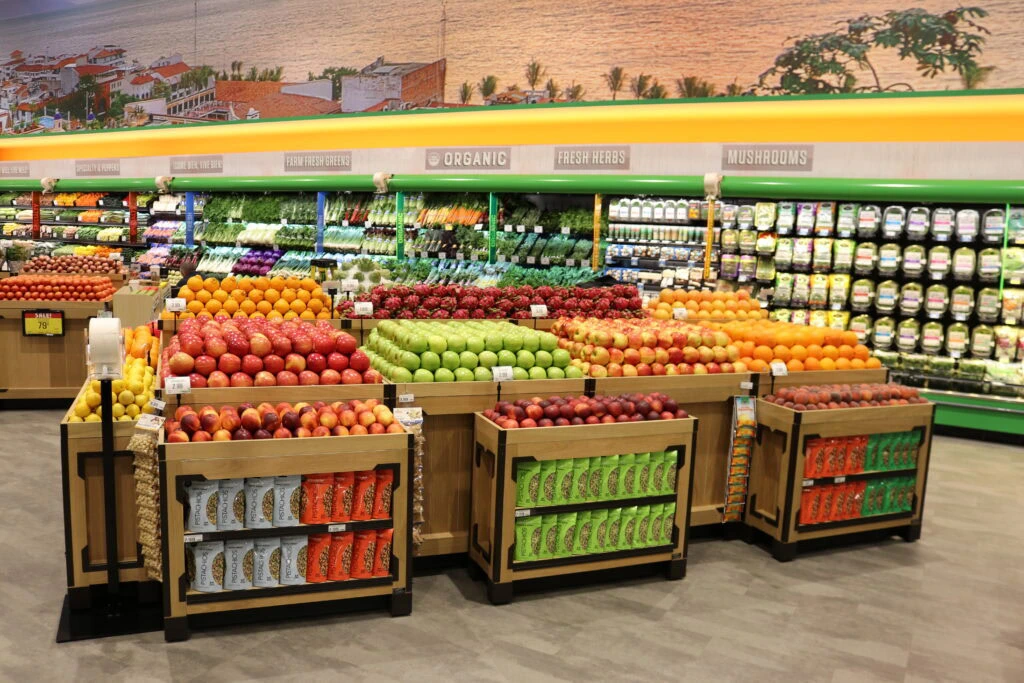
Apples and caramel dip or nut butter
A proven snack solution that appeals to families and impulse buyers. The add on feels justified and easy.
Potatoes, onions, and garlic
Foundational staples that shoppers expect to see together. This grouping supports volume and consistency year round.
These are not trends. They are repeatable behaviors
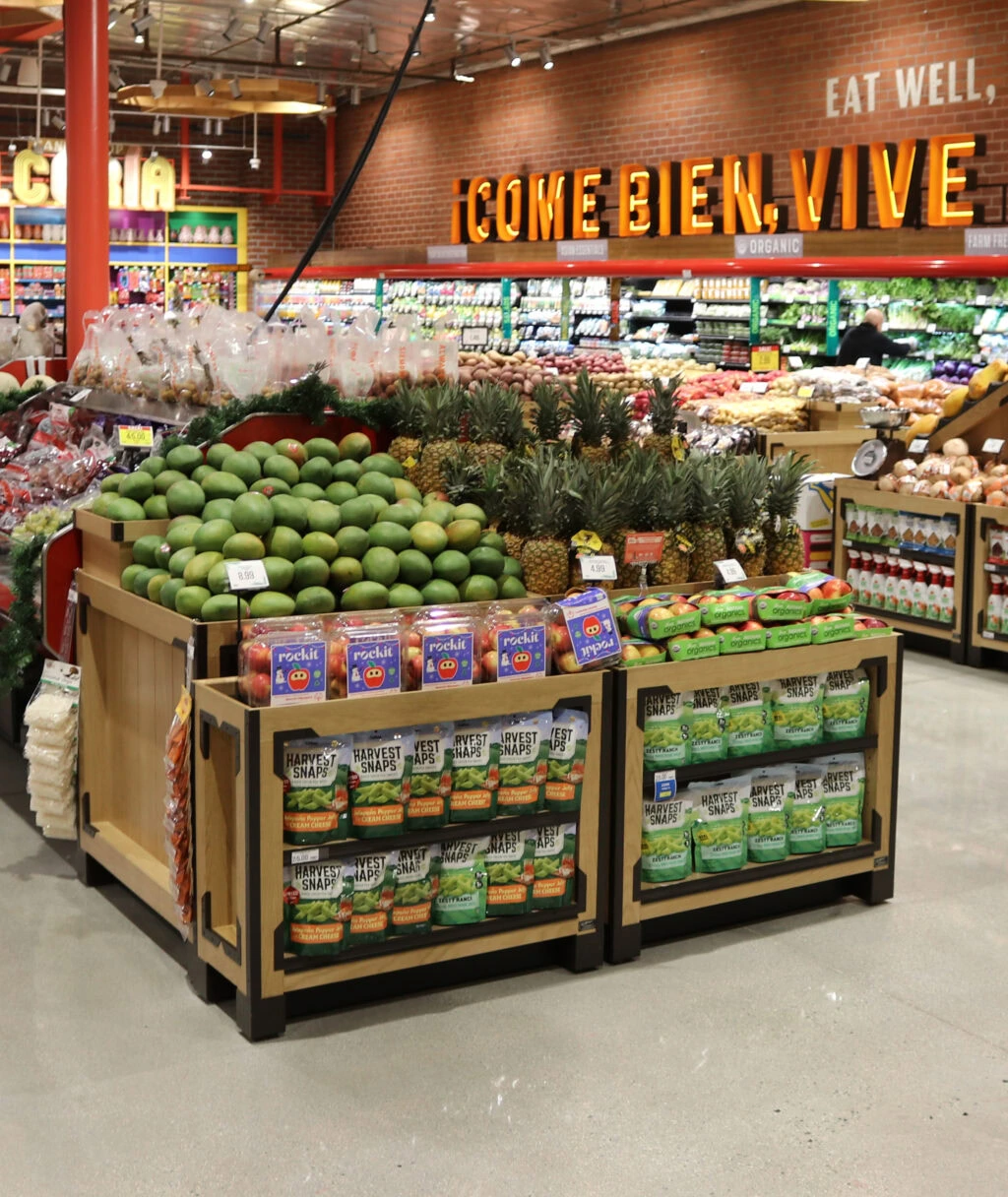
The Psychology Behind Impulse Buying in Grocery Stores
Impulse buying in grocery stores is rarely spontaneous or random. It is prompted by visibility and convenience.
When complementary items are placed together:
- Shoppers spend less time deciding
- The purchase feels practical, not impulsive
- Add on items are added naturally
Cross merchandising works because it aligns with how shoppers already think about meals and snacks.
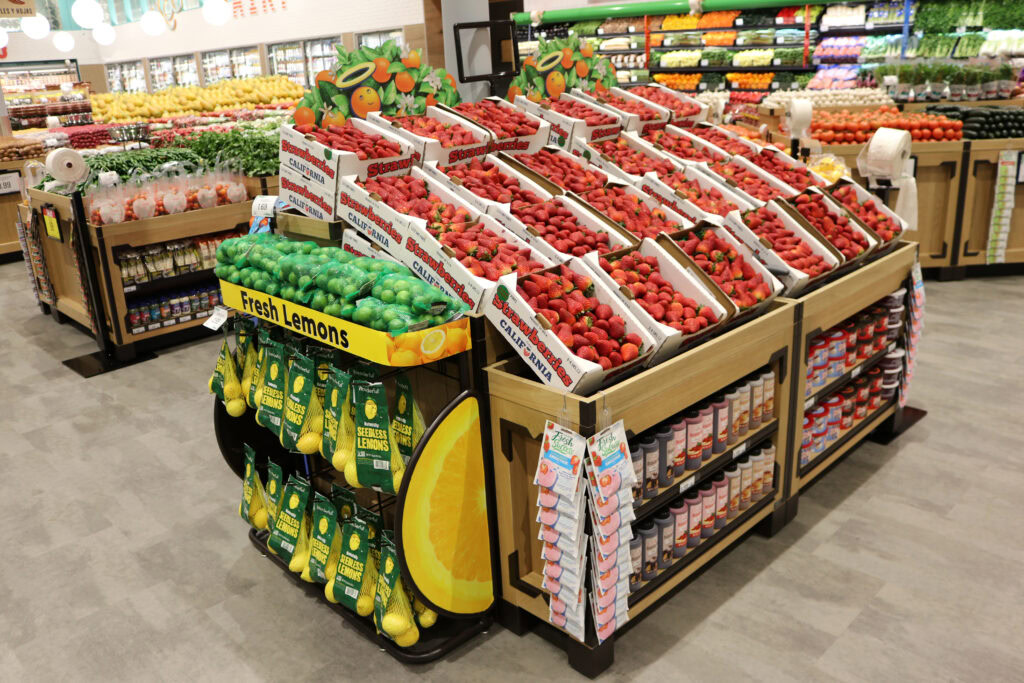
How Cross Merchandising Increases Average Basket Size
From a produce buyer perspective, this is the most important metric.
When produce is merchandised in isolation, shoppers only buy what they planned. When related items are grouped intentionally, shoppers tend to add one or two additional items.
Especially across high traffic stores, that incremental lift adds up quickly.
This is why cross merchandising remains one of the simplest ways to improve produce performance without expanding space.
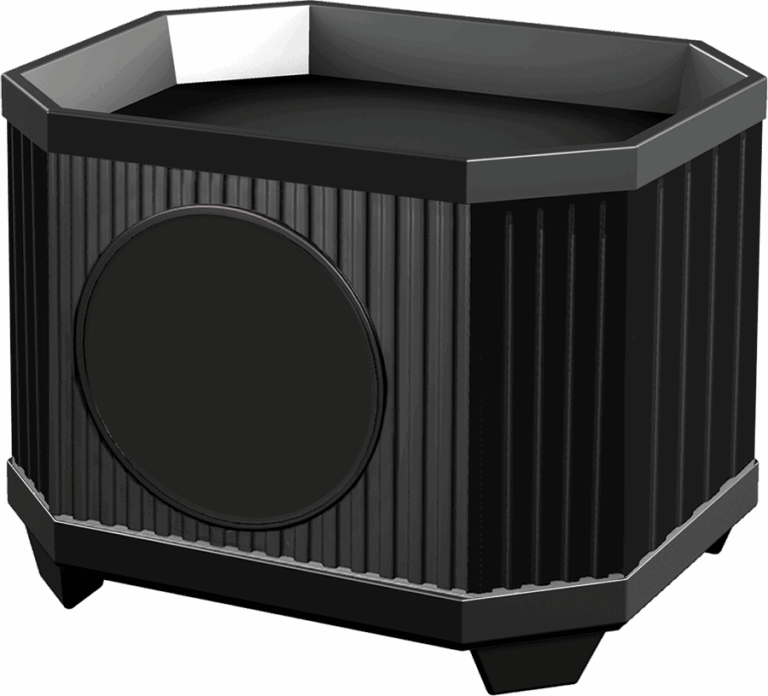
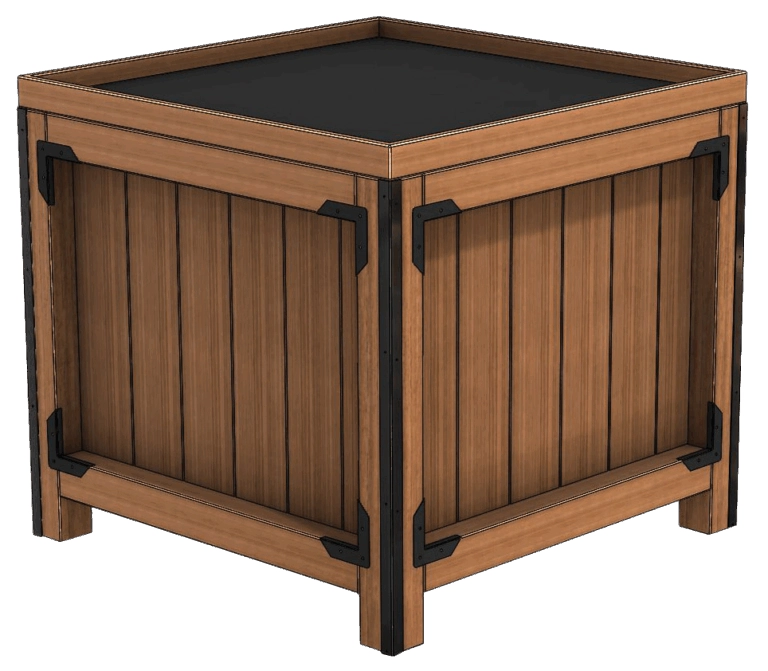
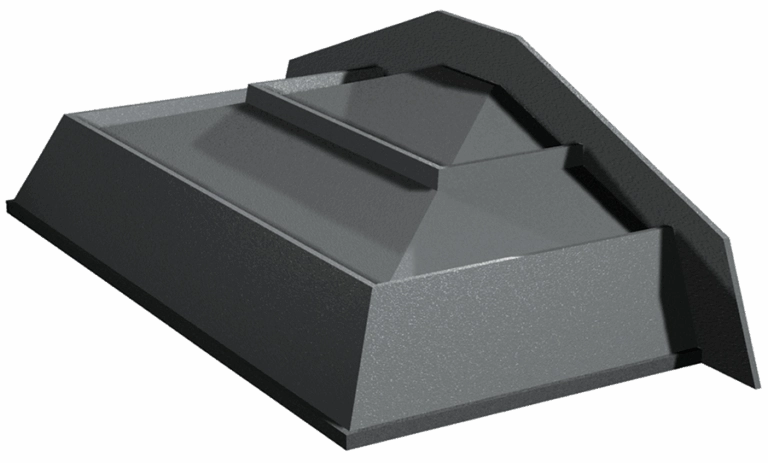
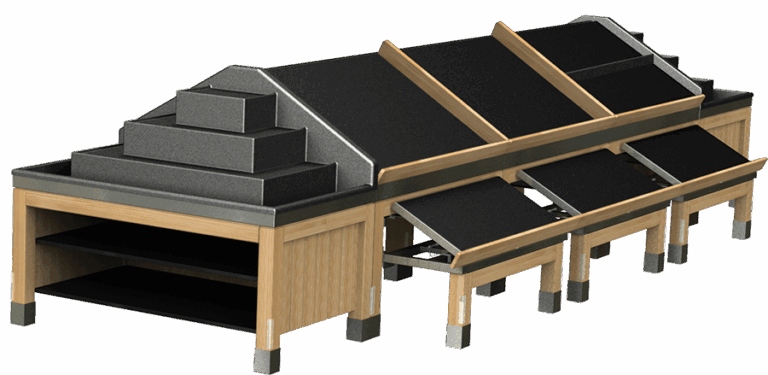
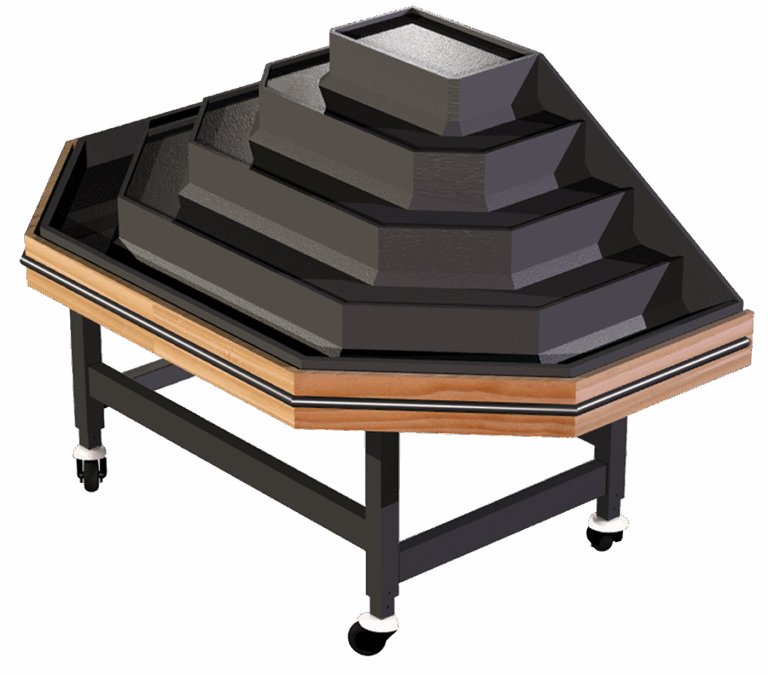
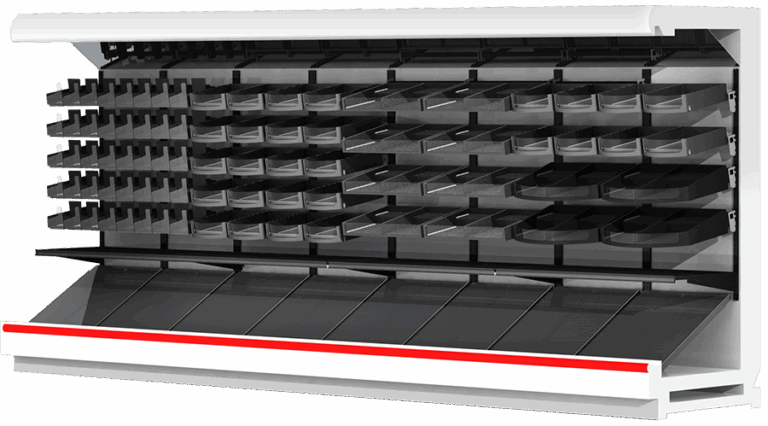
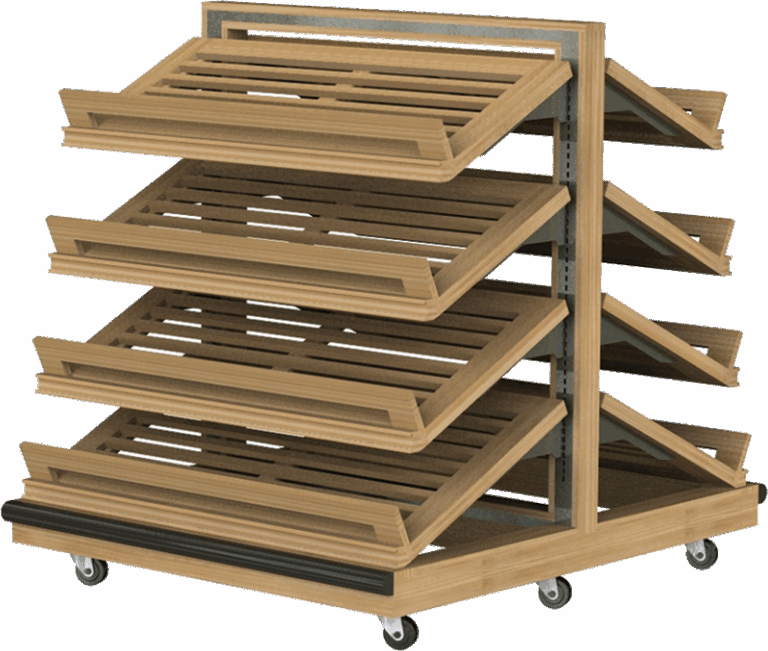
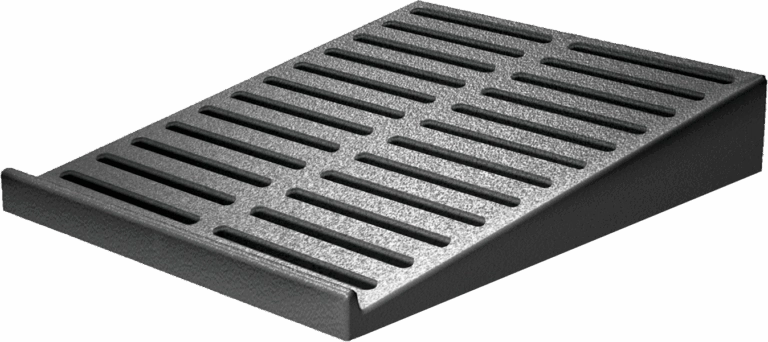
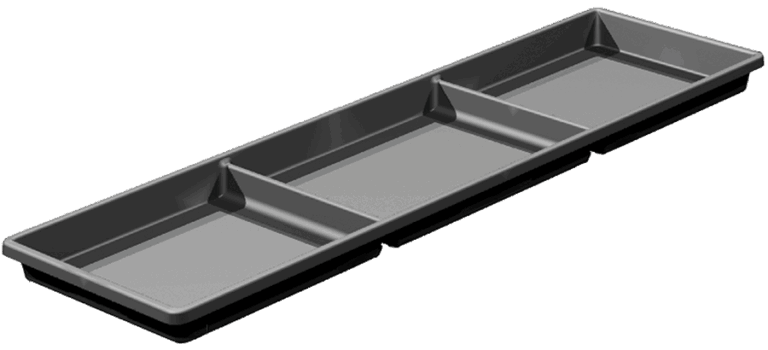
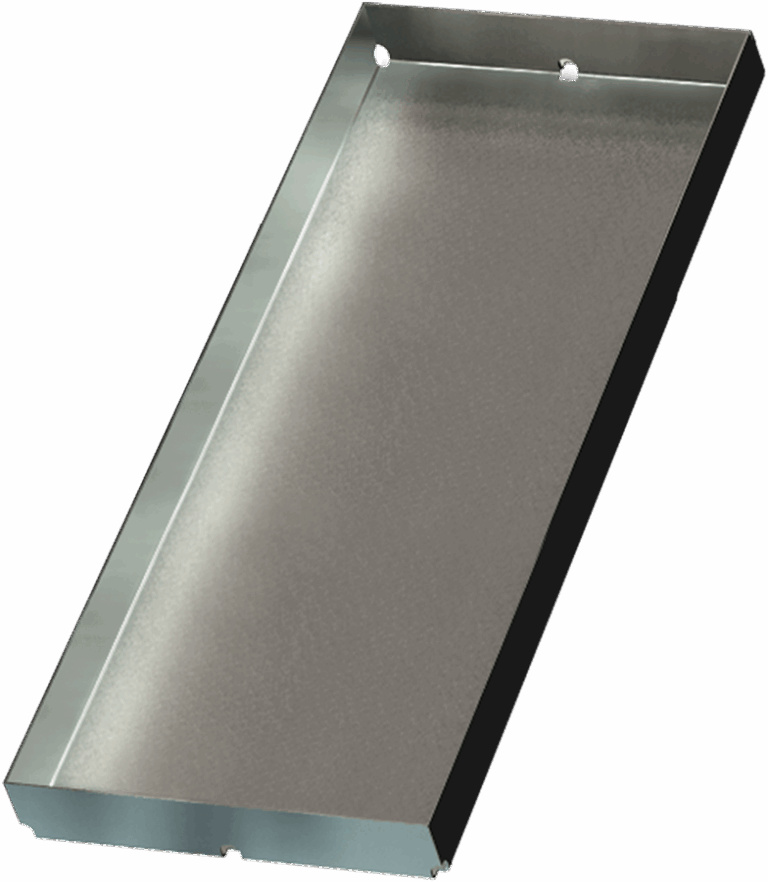
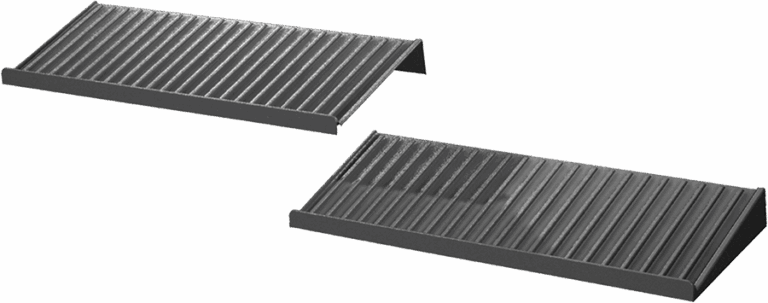
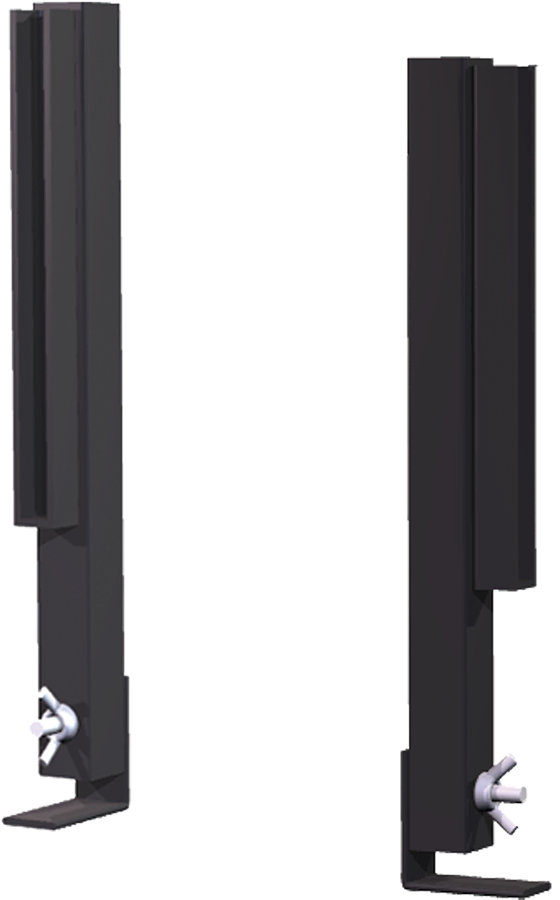
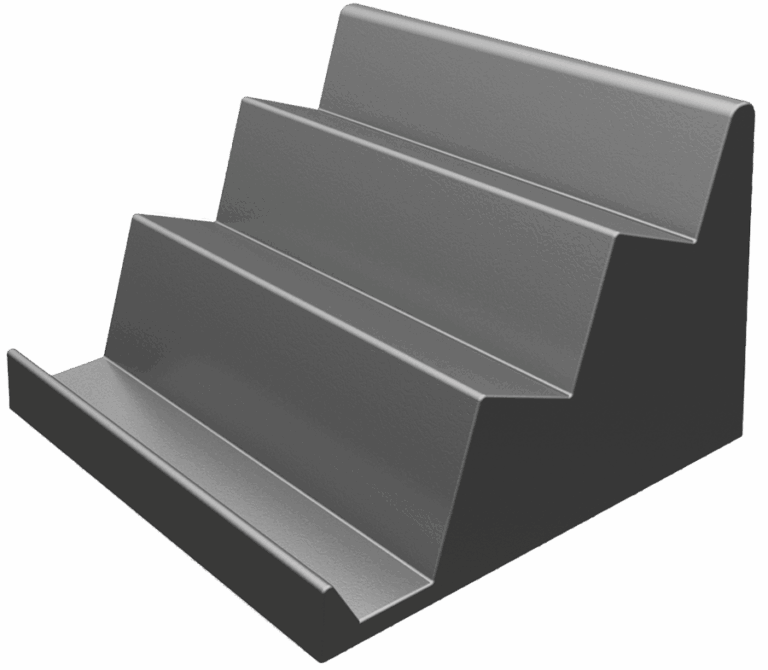
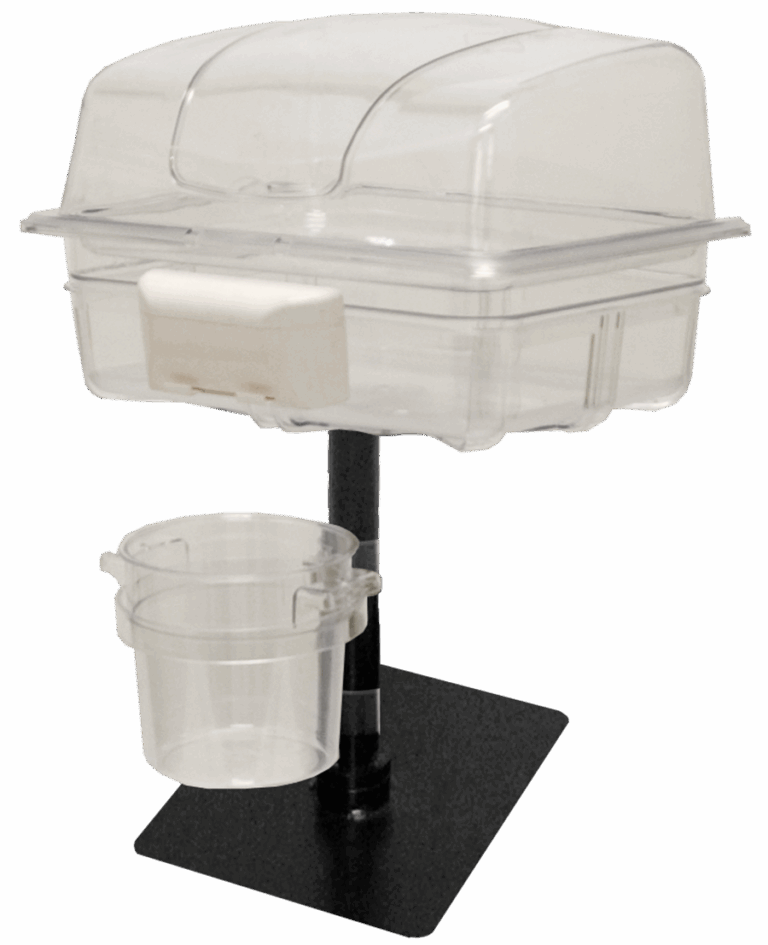
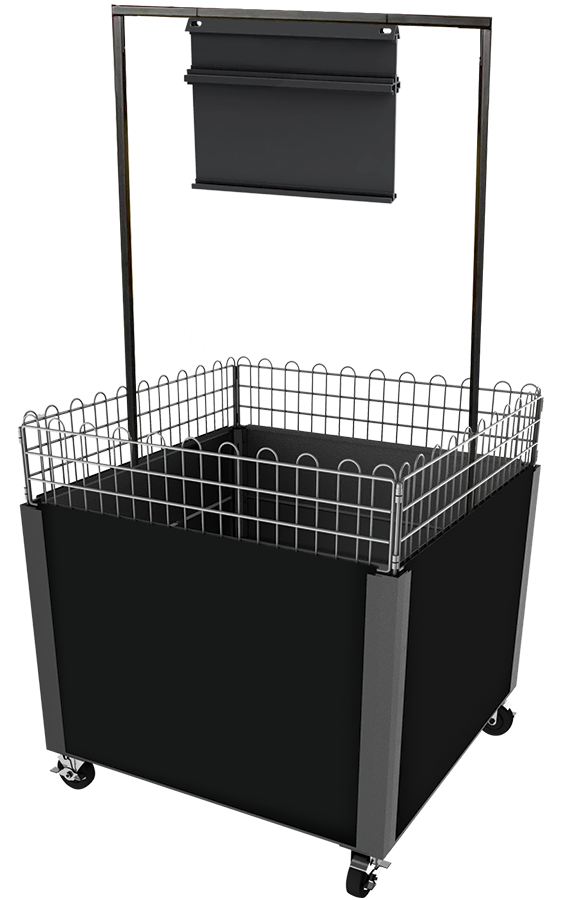
The Role of Extenders in Supporting Add On Purchases
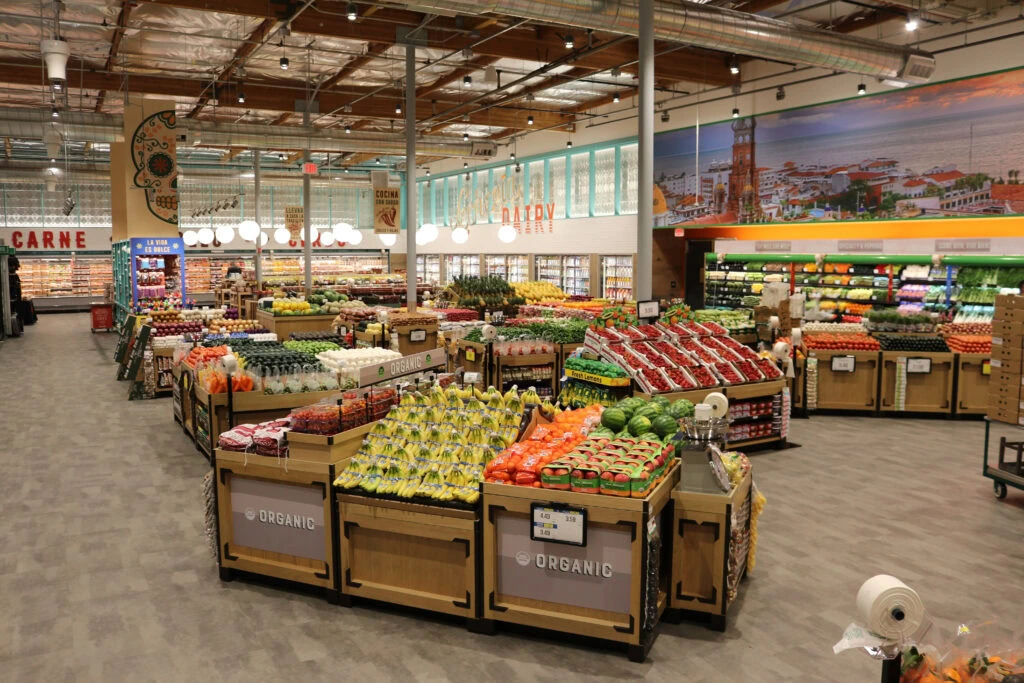
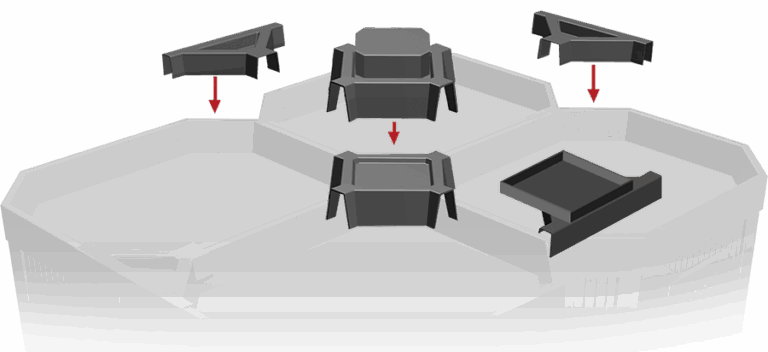
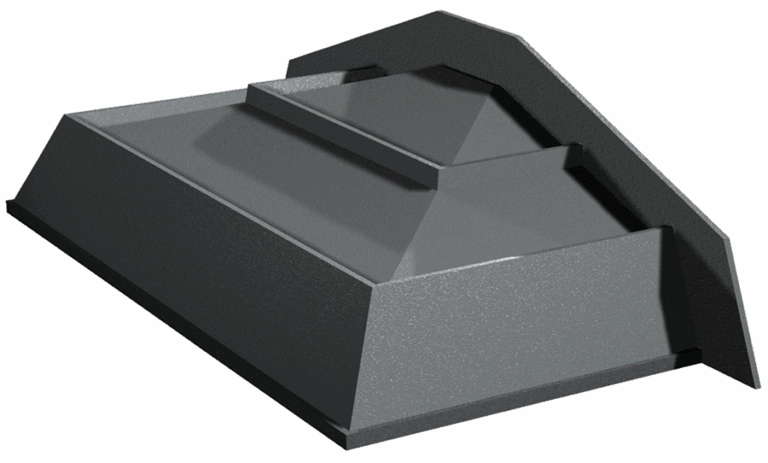
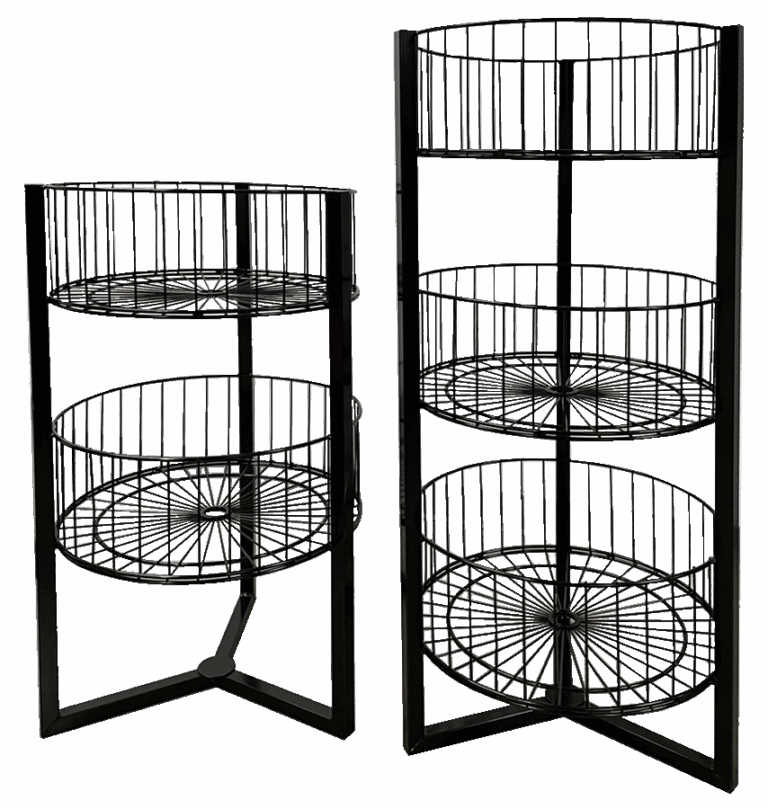
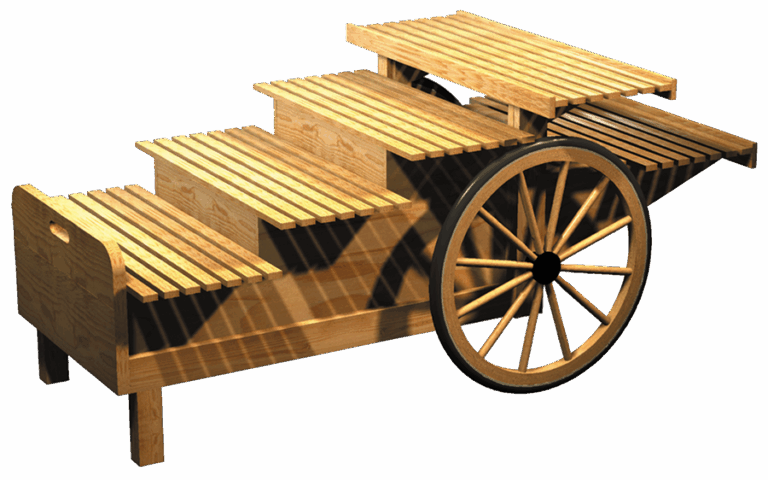
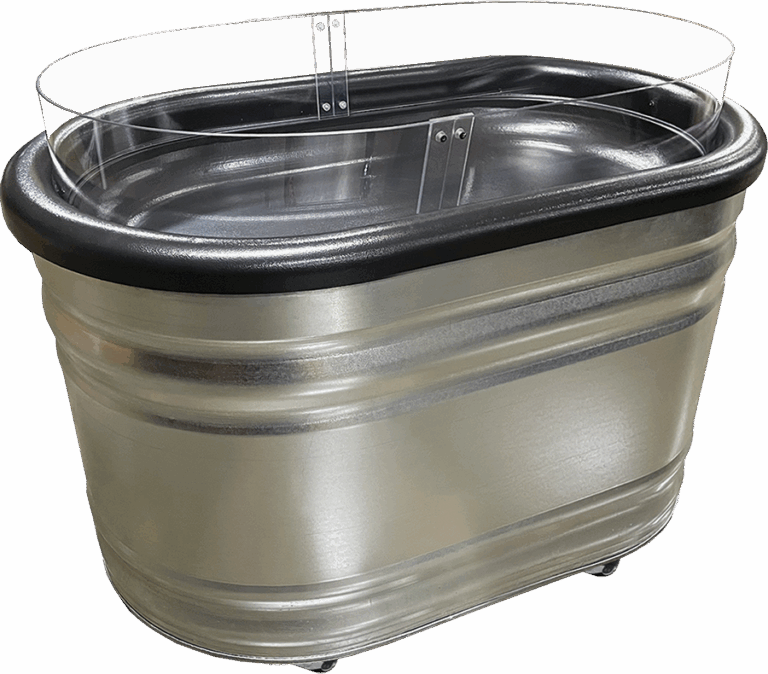
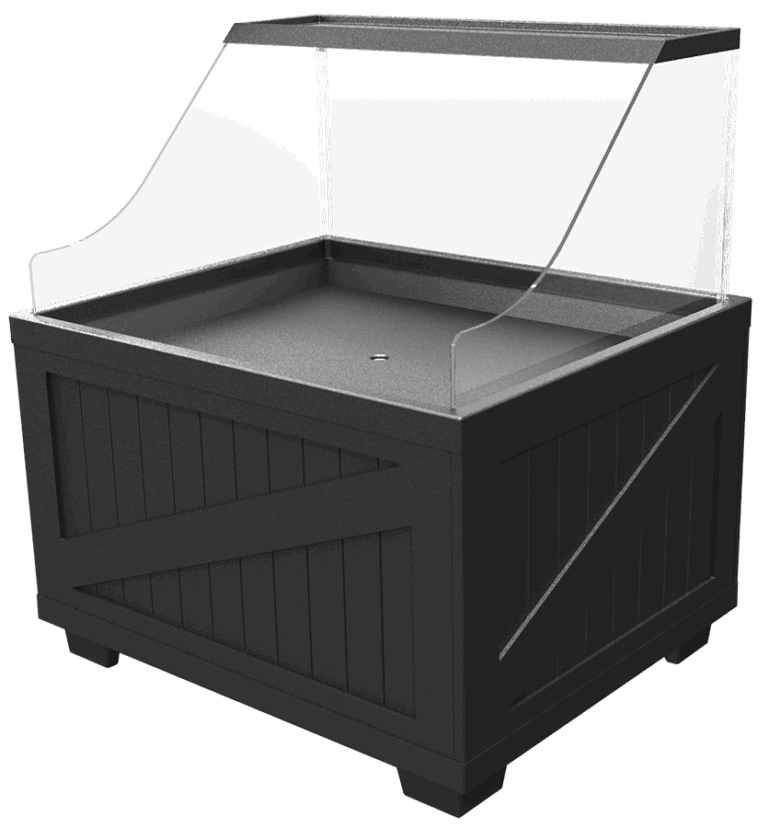
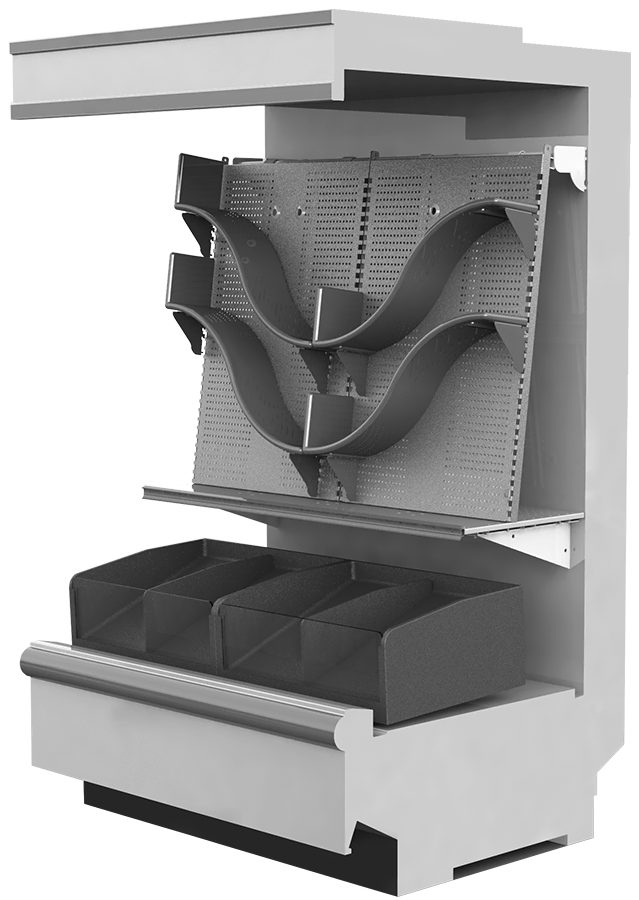
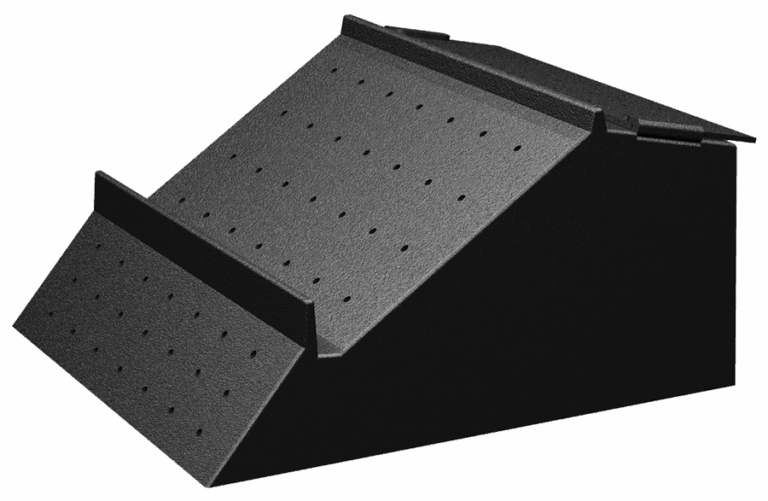
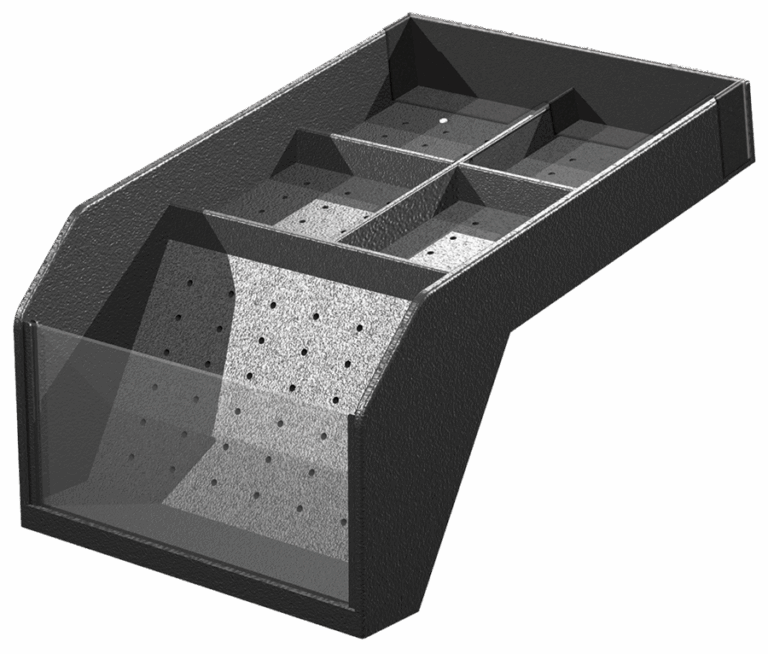
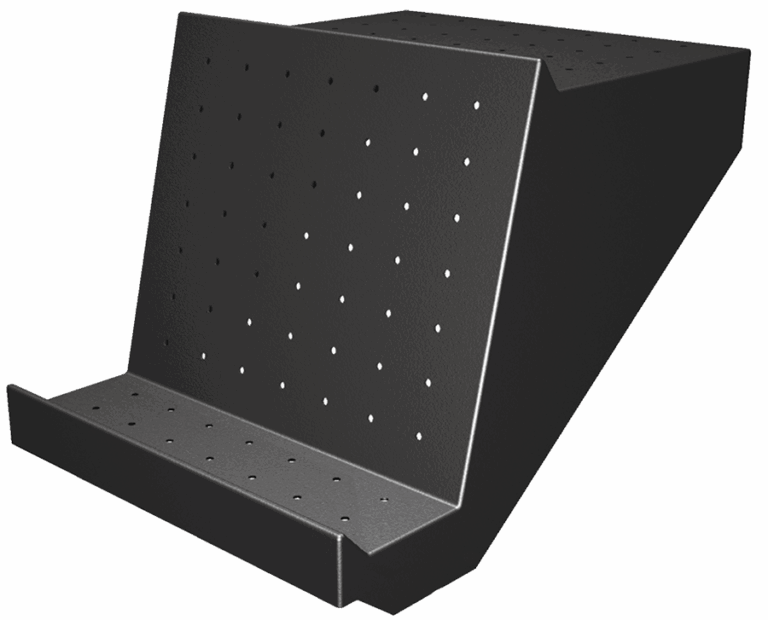
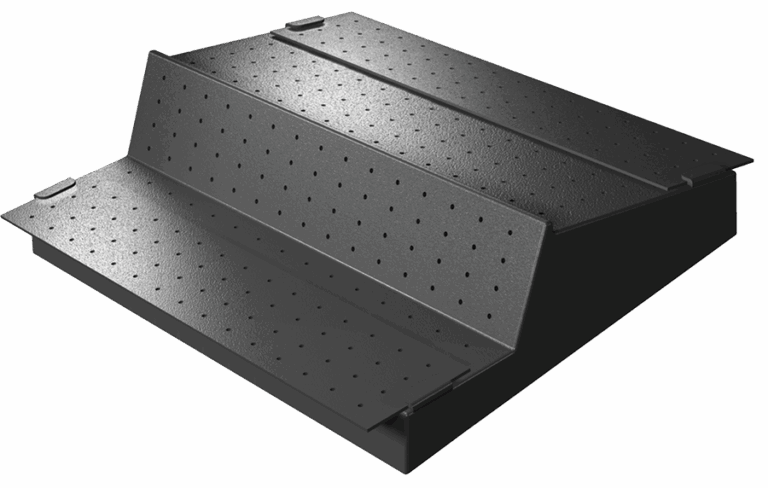
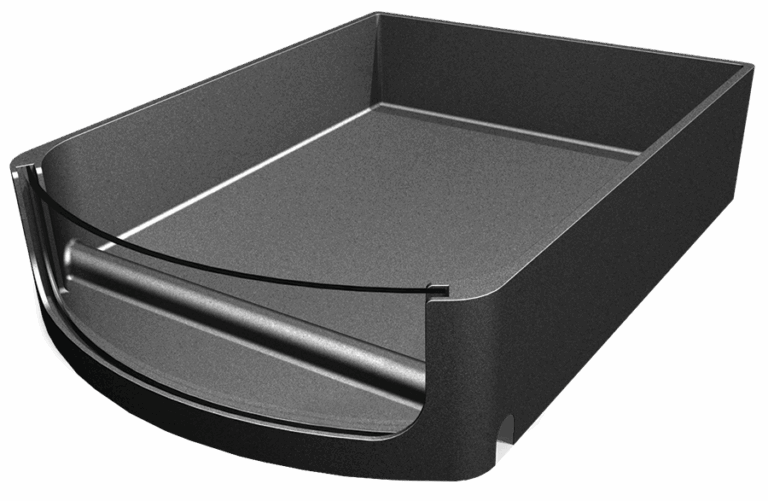
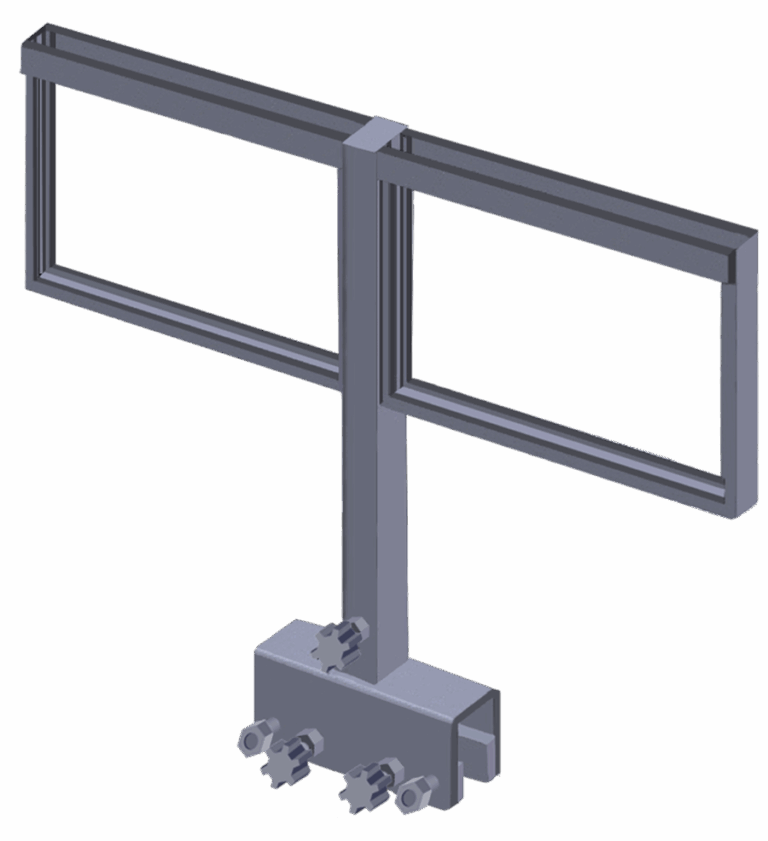
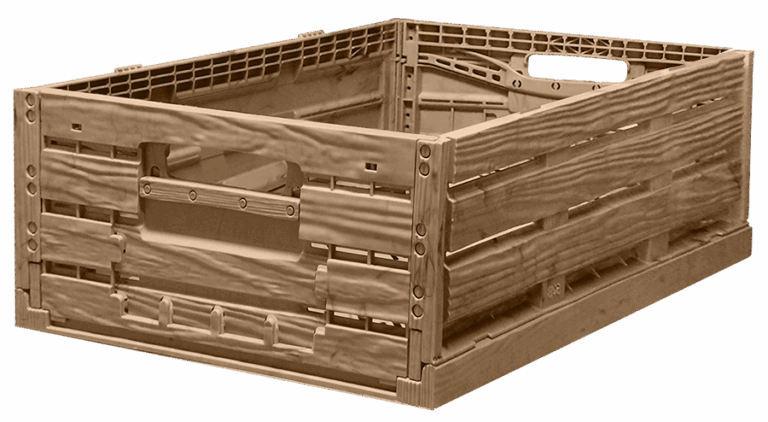
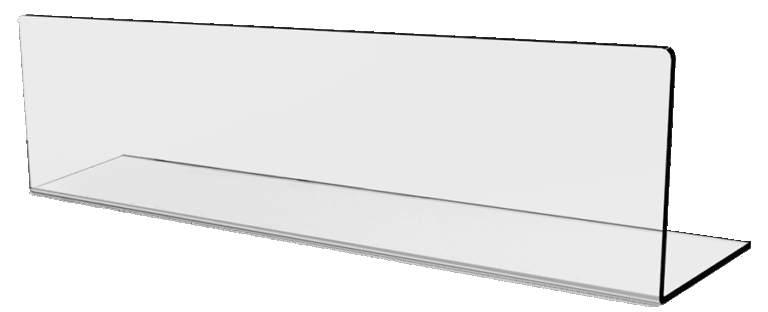
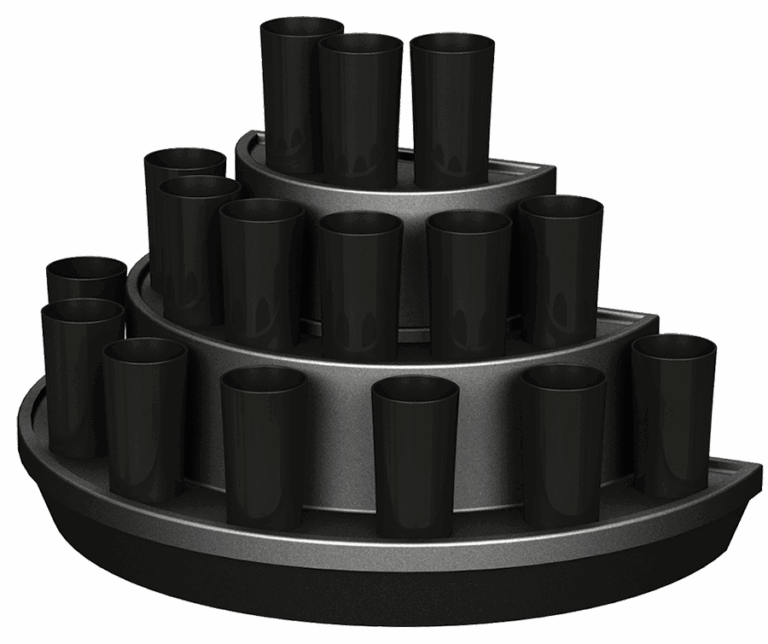
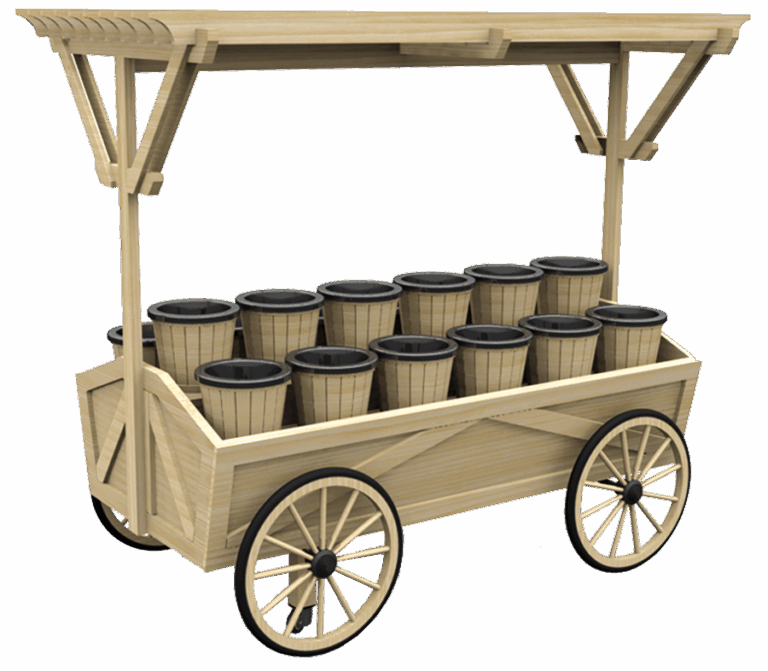
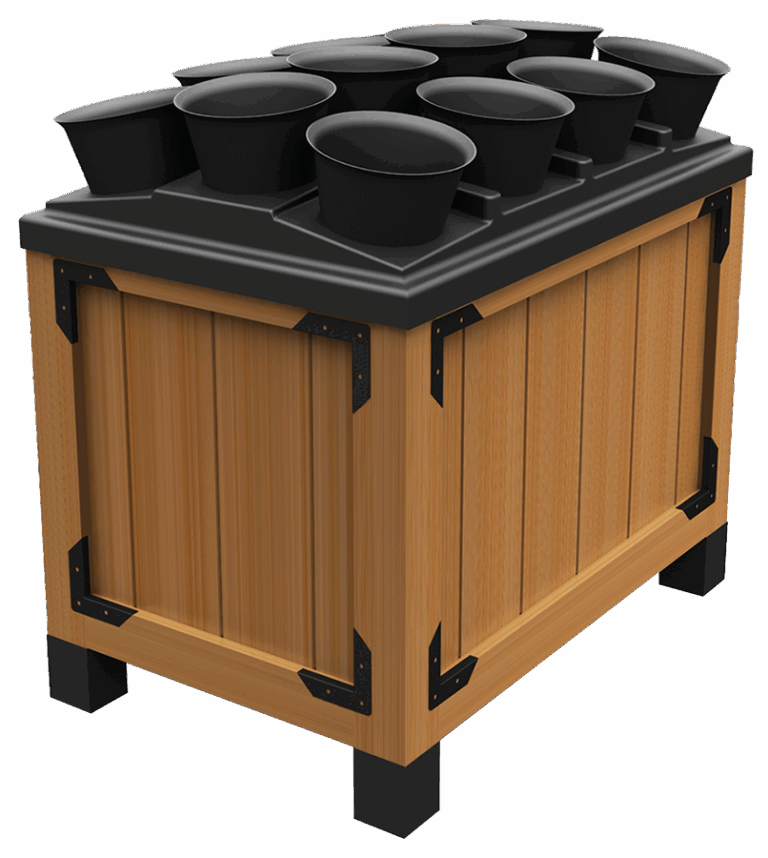
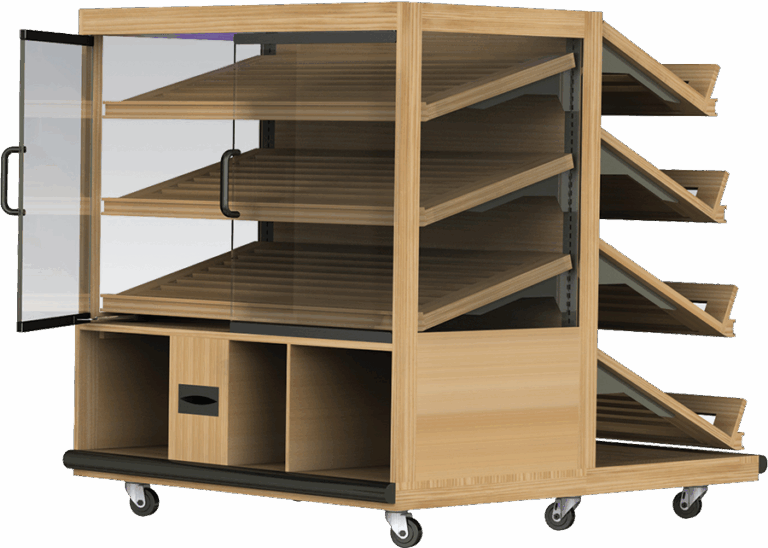
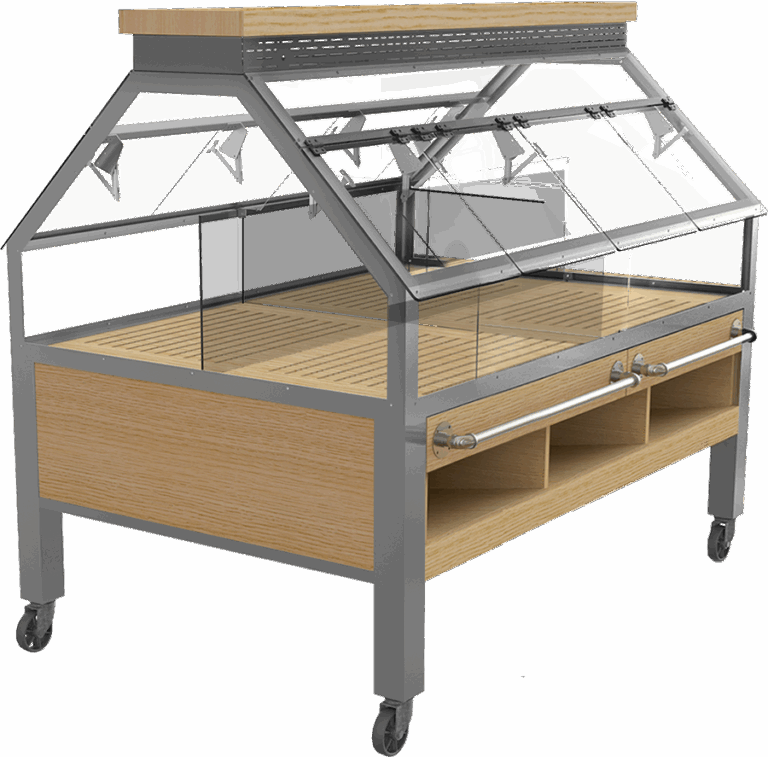
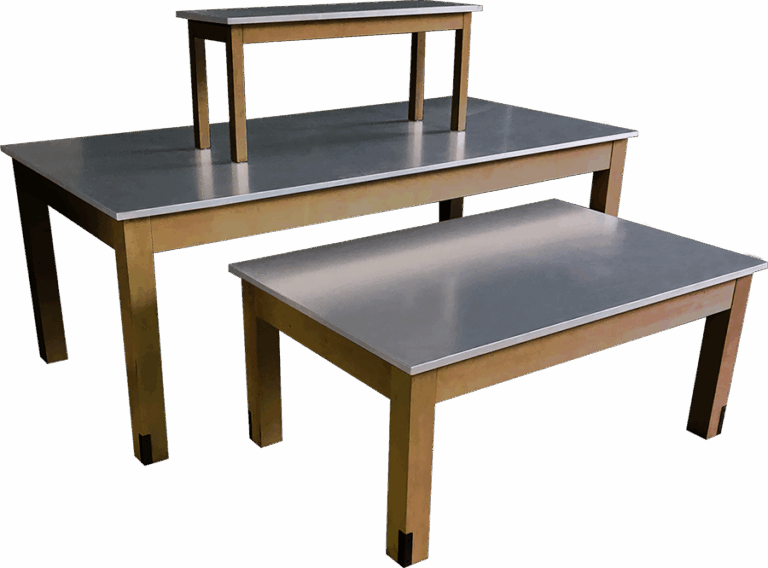
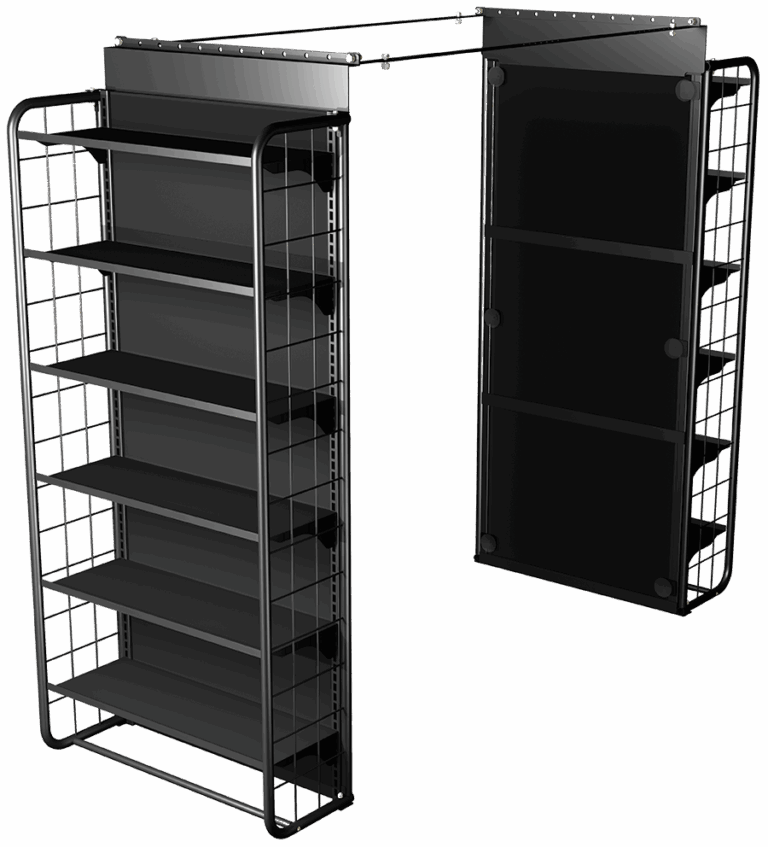
Extenders make cross merchandising practical at scale.
They allow retailers to:
- Add secondary items without disrupting core sets
- Highlight seasonal or promotional produce
- Adjust pairings throughout the year with minimal resets
For buyers, this flexibility matters. It keeps departments consistent while still allowing change
Cross Merchandising Is a Performance Tool
For buyers, cross merchandising is not decorative. It is a return on investment decision.
It increases basket size. It supports impulse buying in grocery stores. It gives retailers a clear and defensible strategy to take to leadership.
When executed thoughtfully, cross merchandising becomes a reliable guaranteed driver of produce sales.
That is why it continues to matter.