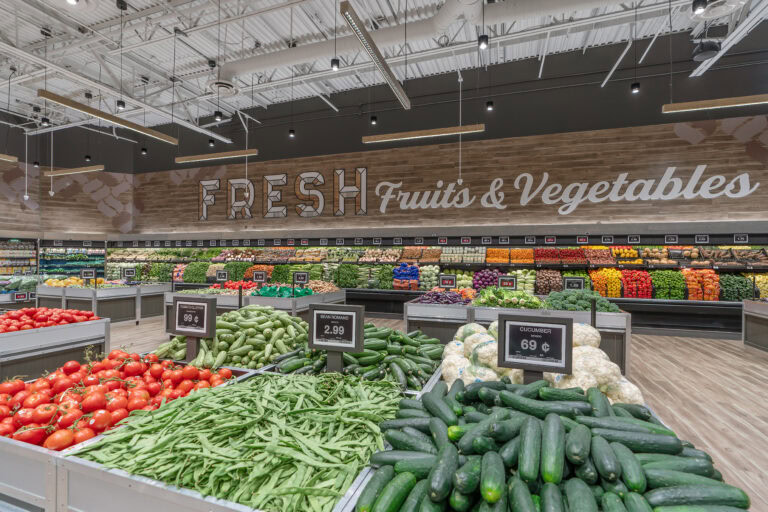
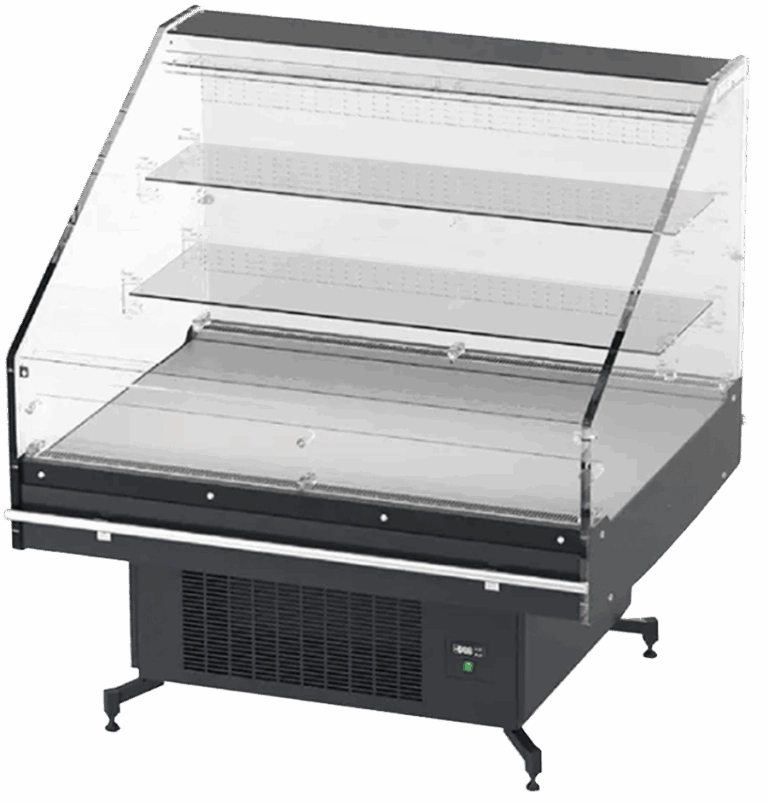
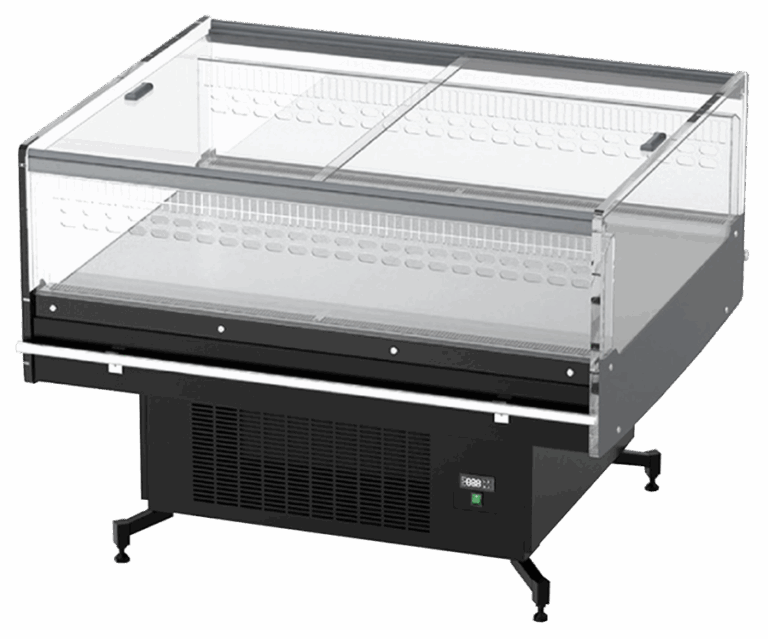


Increasing produce sales is a top priority for grocery retailers, but expanding floor space isn’t always an option. With fixed footprints, rising costs, and evolving shopper behavior, retailers are asking a critical question:
How do you increase produce sales without adding more square footage?
The answer is found in strategic produce merchandising that maximizes existing space, improves flow, and encourages impulse buys, all done without a remodel.
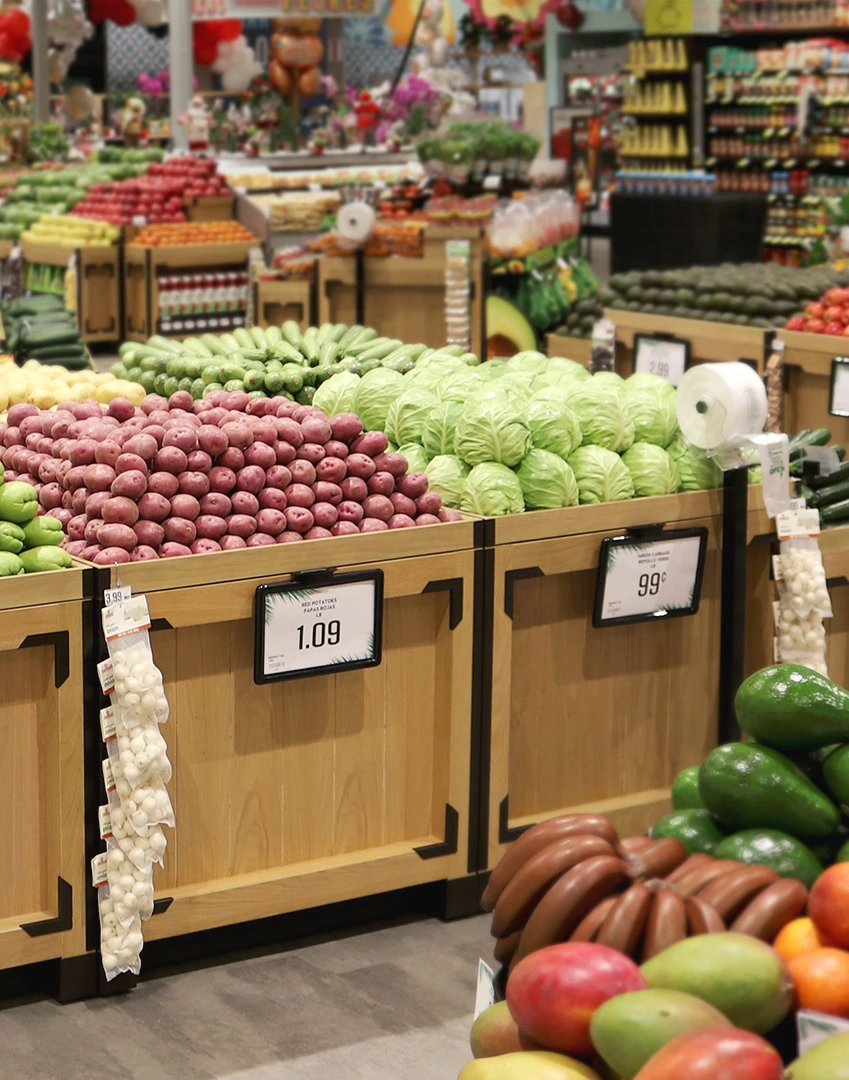
Why Grocery Stores Are Constrained by Produce Floor Space
Most grocery stores’ produce layouts are designed within tight physical limits. Expanding departments often means:
- Reducing space from other categories
- Investing in expensive remodels
- Disrupting store operations
At the same time, retailers are expected to:
- Increase SKU count
- Support both bagged and bulk produce
- Improve organization and visual appeal
- Drive higher sales per square foot
This makes merchandising without more space a common and consistent pain point across regional and national chains.
Produce Merchandising Solutions That Increase Sales Without More Space
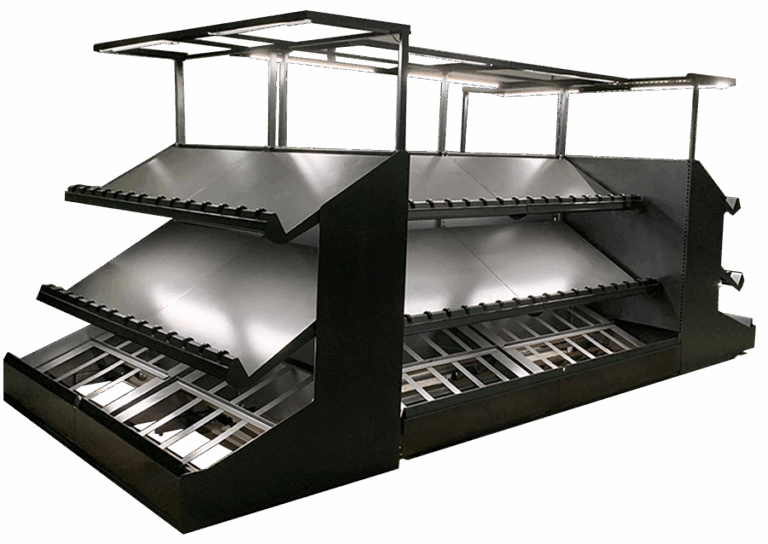
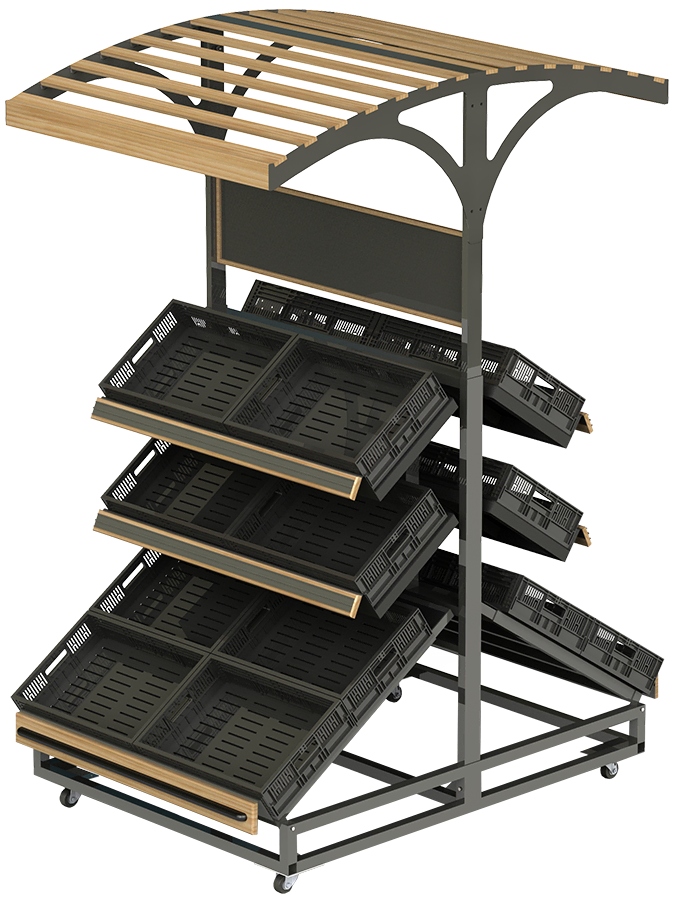
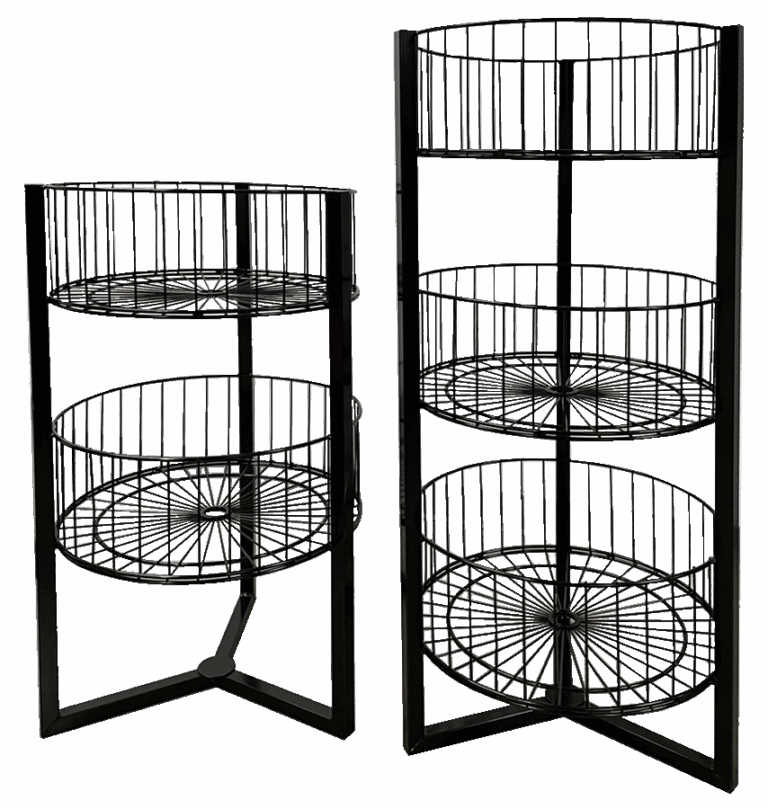
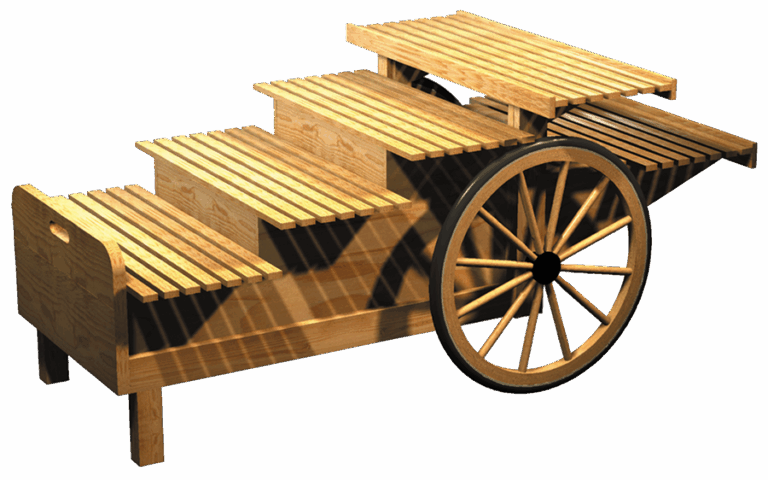
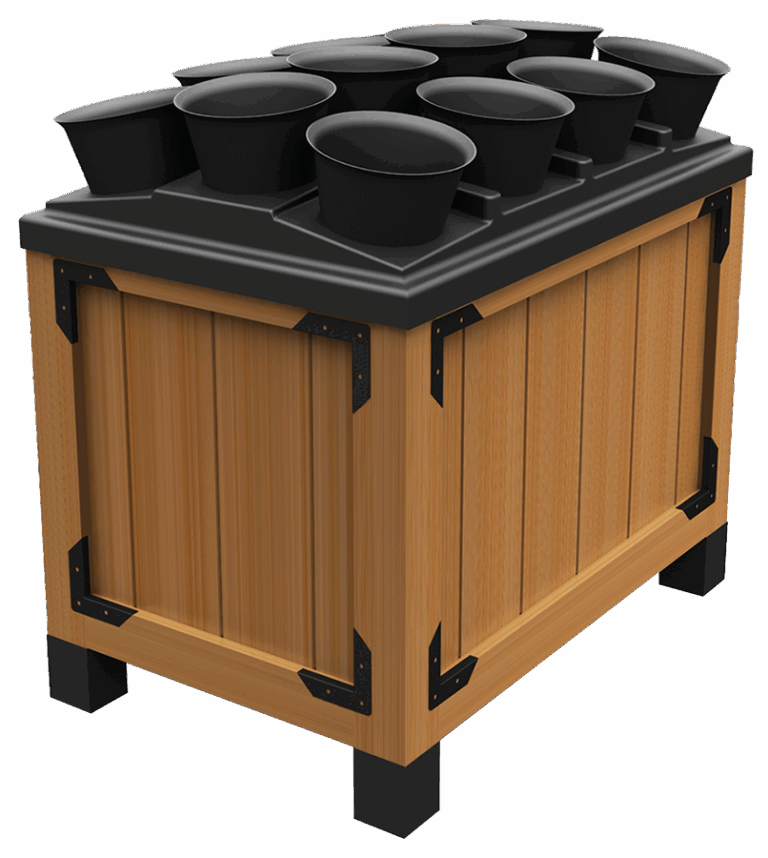
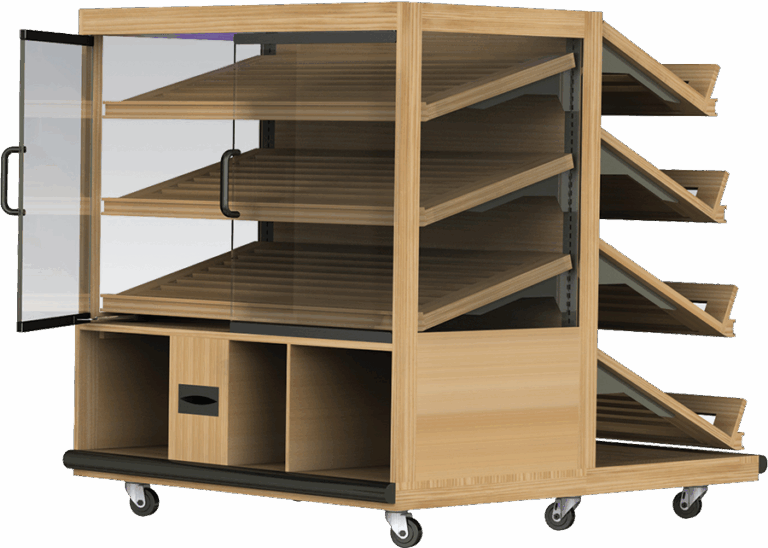
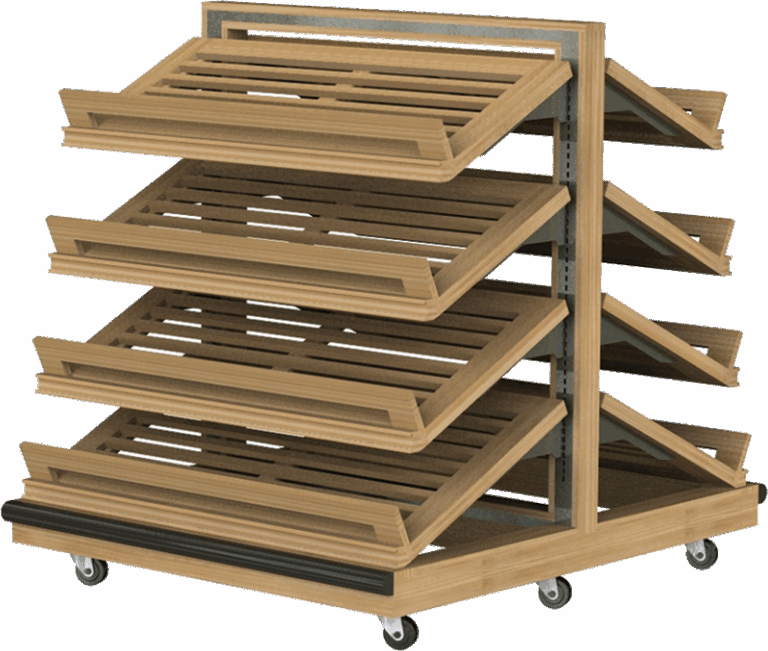
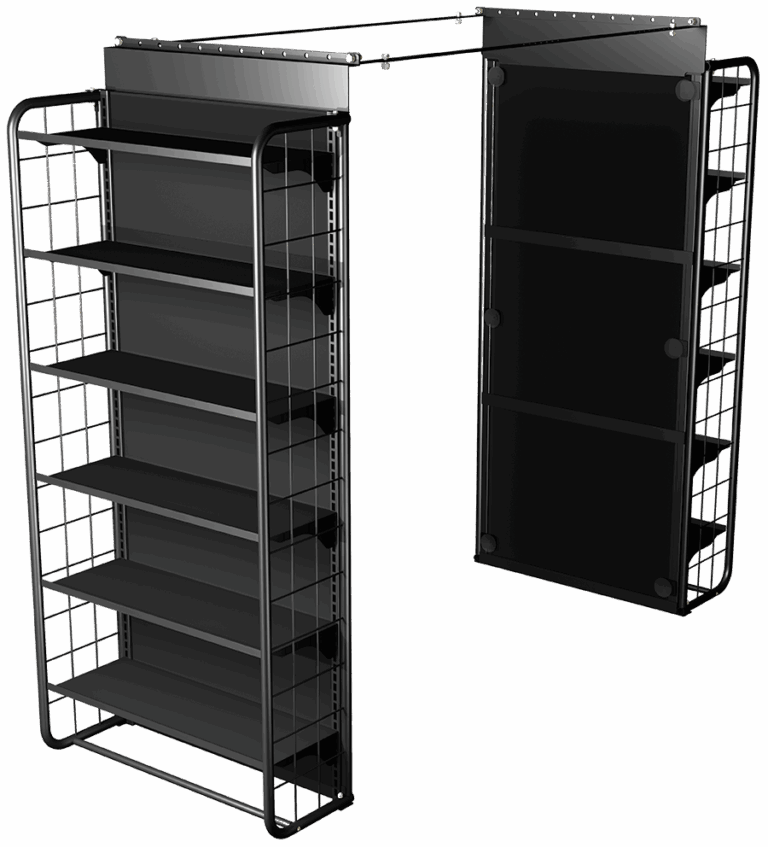
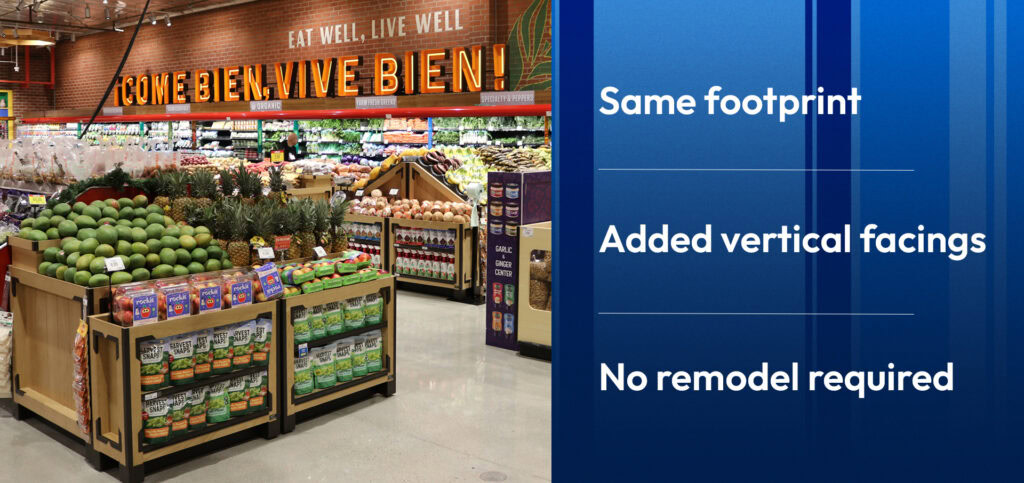
Vertical Merchandising: Increase Produce Sales Per Square Foot
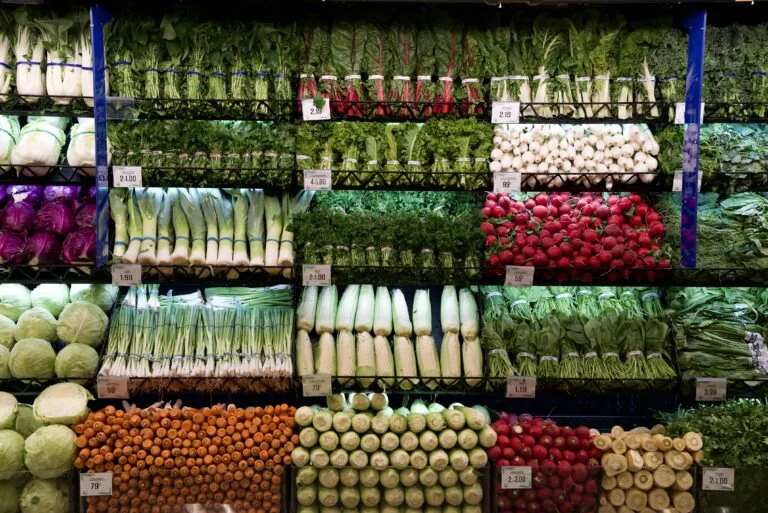
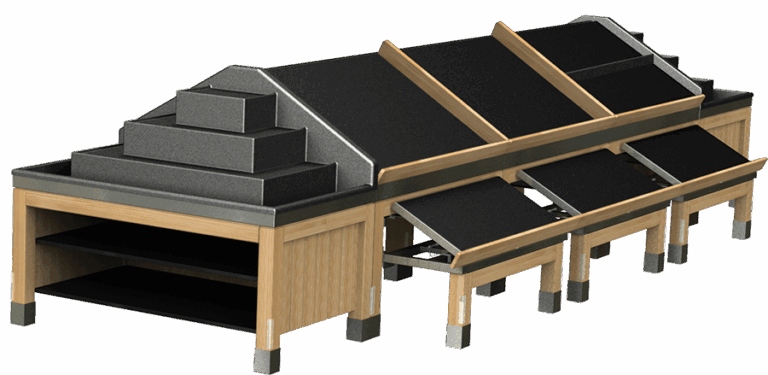
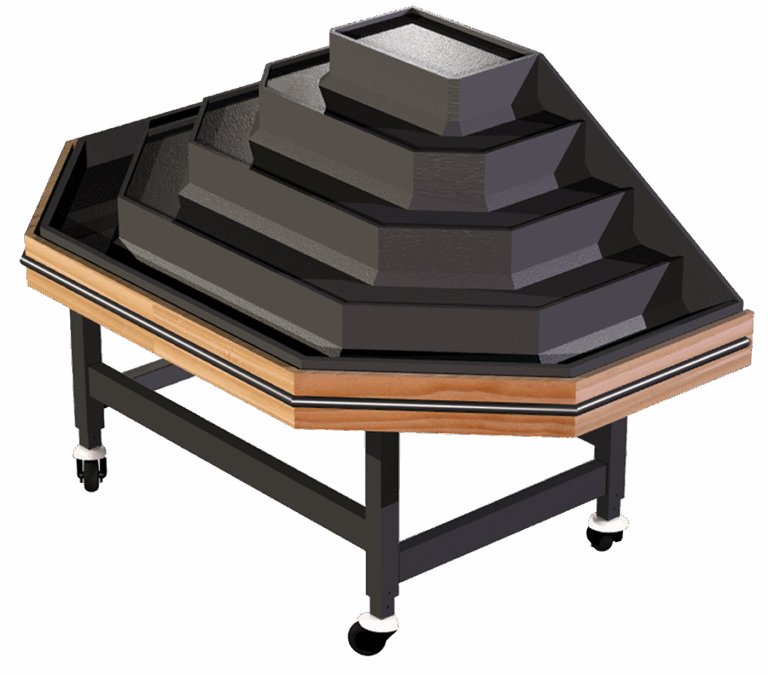
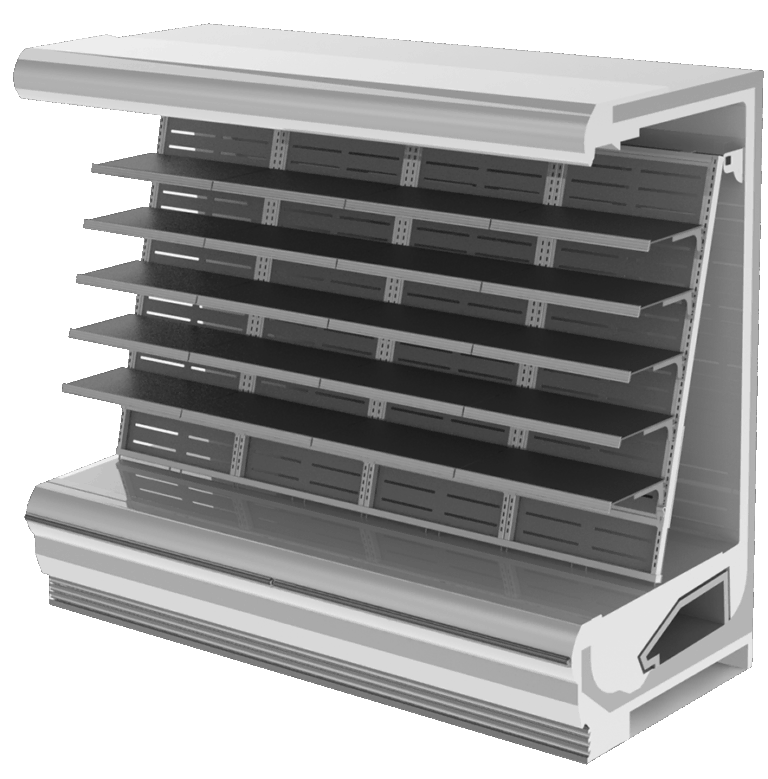
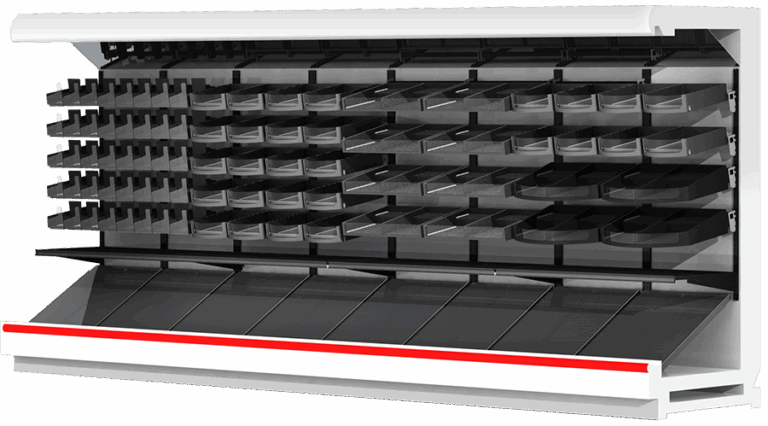
- Vertical merchandising is one of the most effective ways to improve produce performance in tight footprints.
By building upward instead of outward, retailers can:
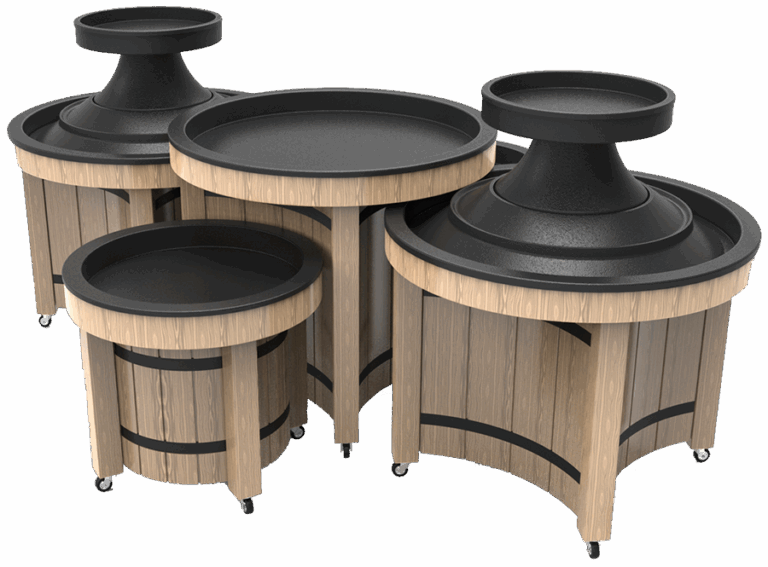
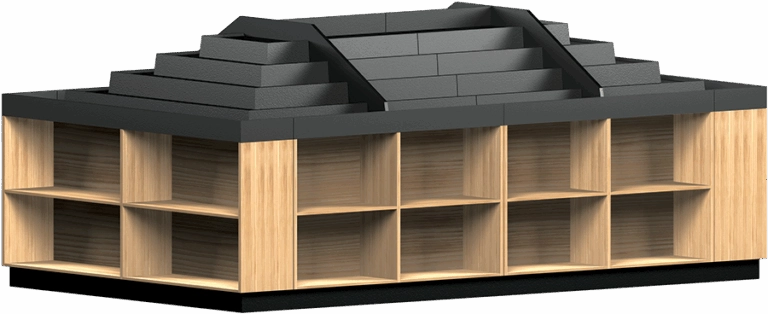
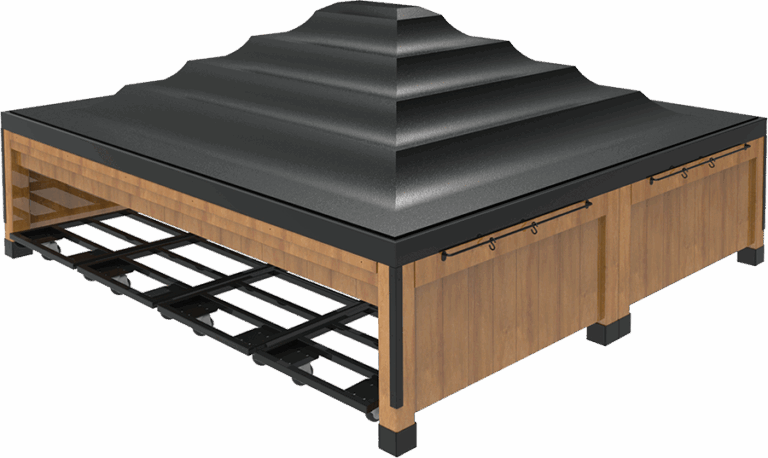
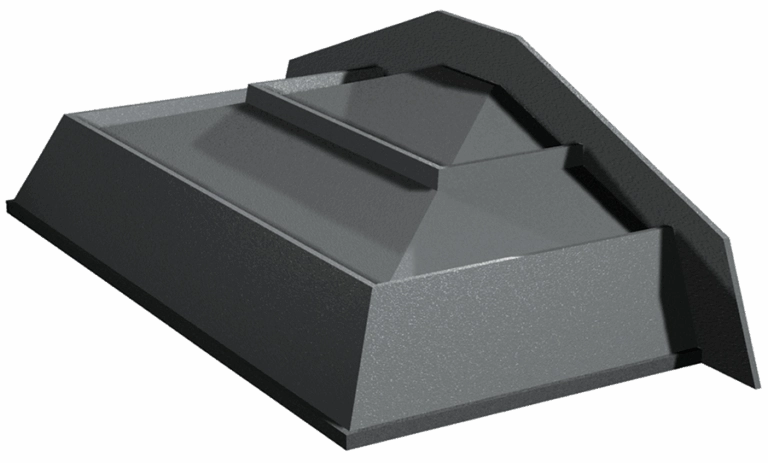
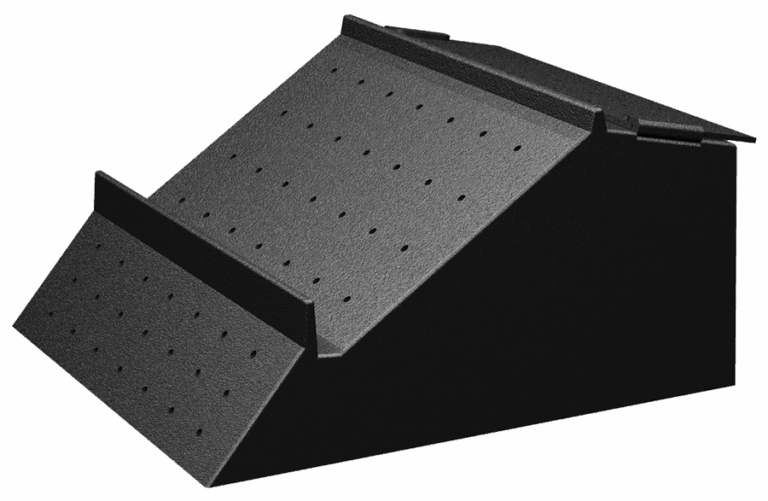
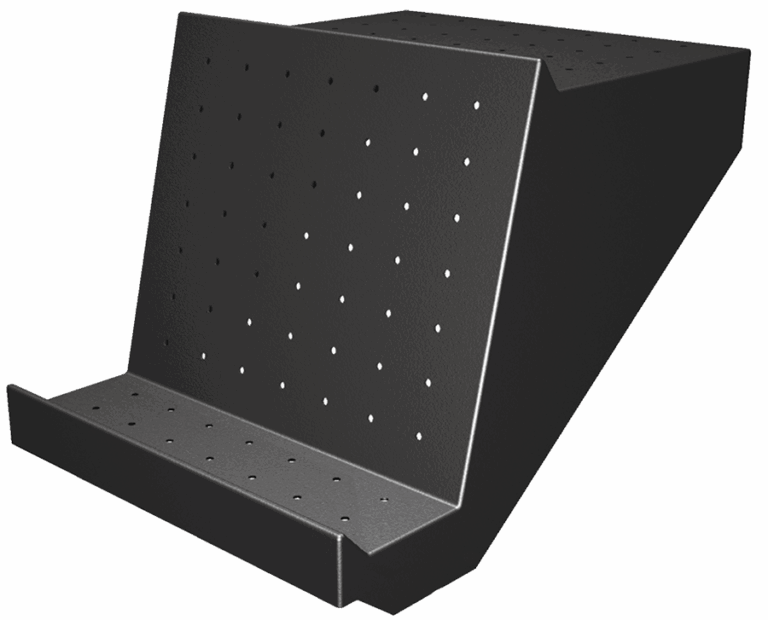
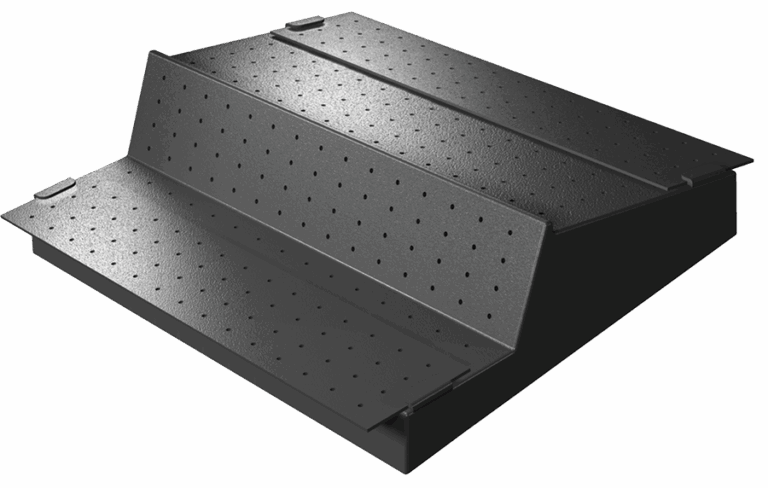
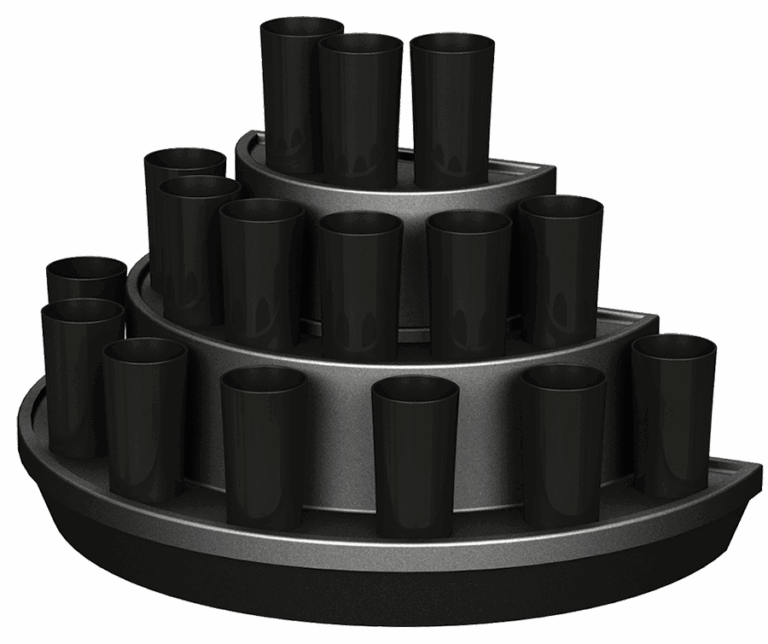
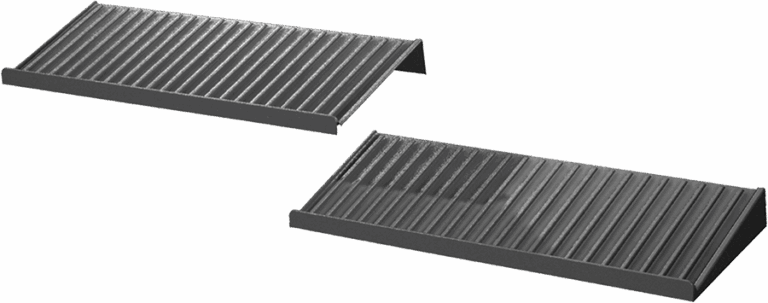
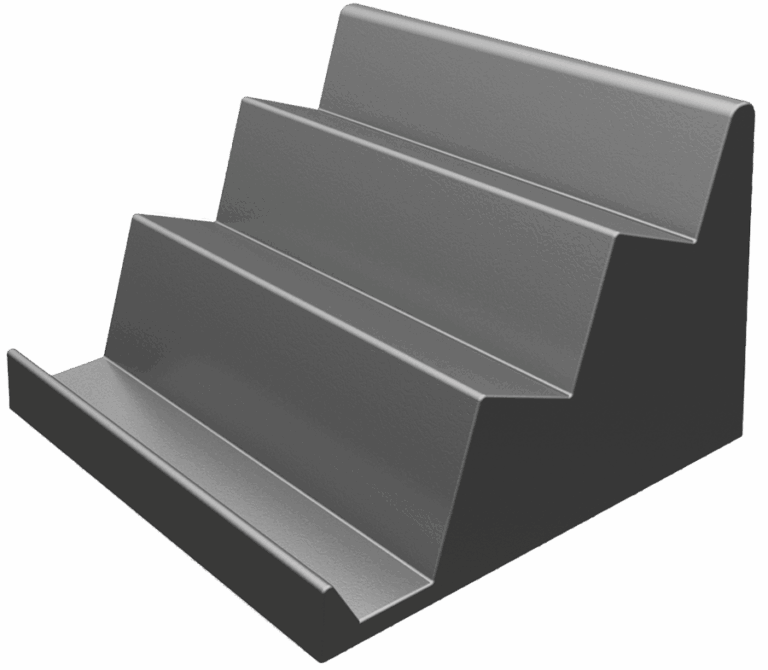
Add facings without widening aisles - Improve product visibility and sightlines with the use of dummies and risers
- Keep high-velocity SKUs easy to shop and restock
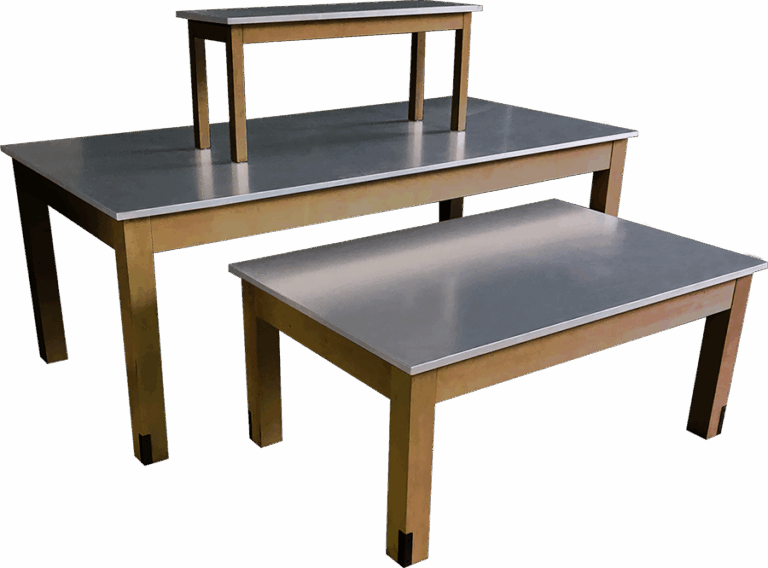
Vertical systems are especially effective for stores with older layouts or limited backroom space, allowing chains to increase produce sales without changing the overall produce layout.
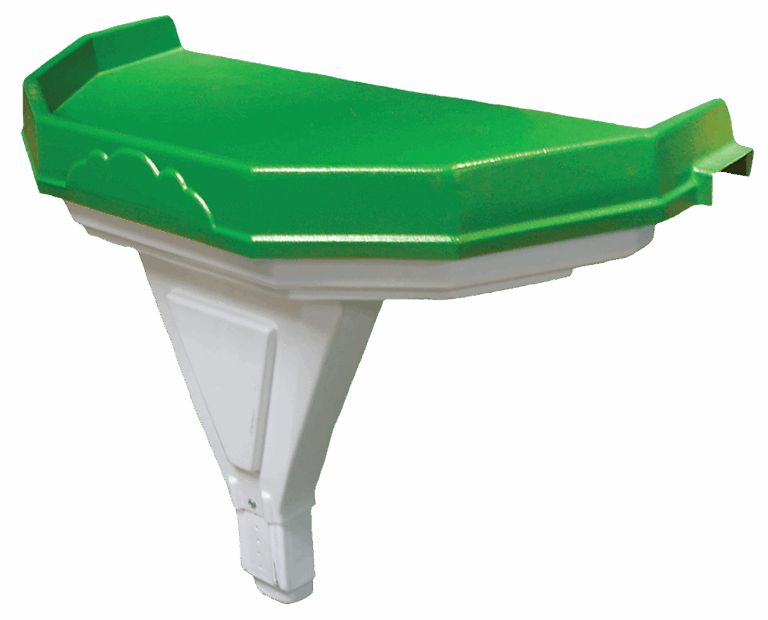
1. Cross-Merchandising to Drive Impulse Purchases
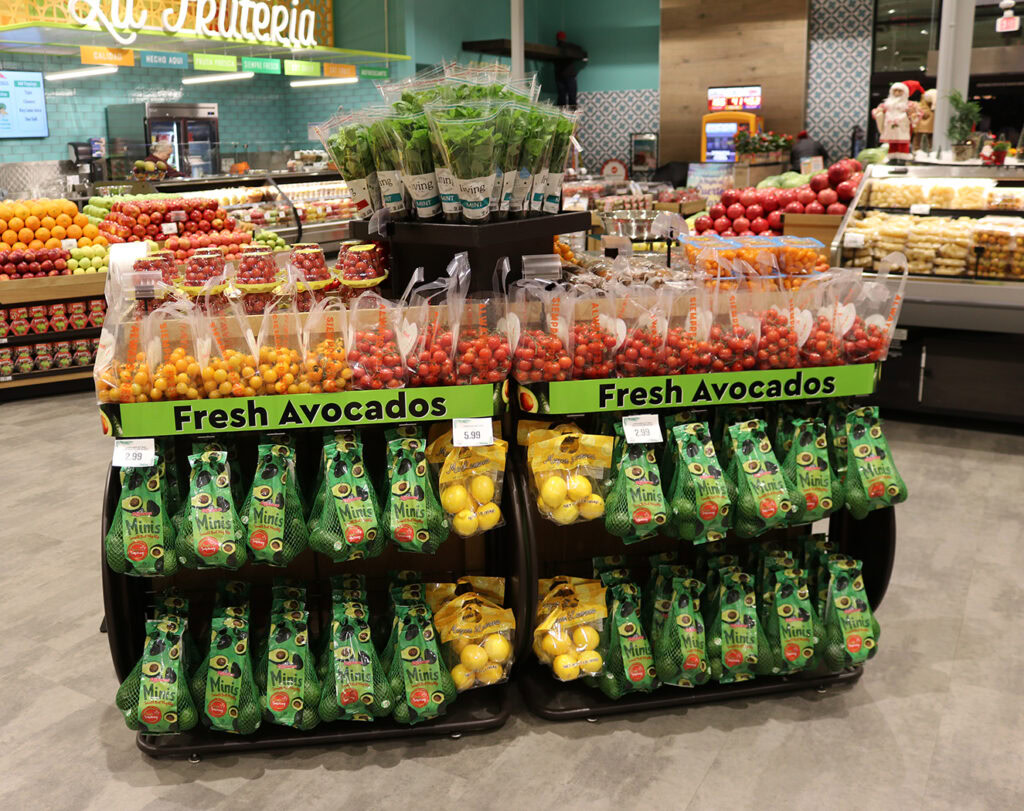
Cross-merchandising works best when it properly reflects shopper behavior.
A proven example in reduce merchandising:
Citrus and avocados.
When complementary items are merchandised together:
- Shoppers move more intuitively through the department
- Basket size increases naturally
- Decision fatigue is reduced
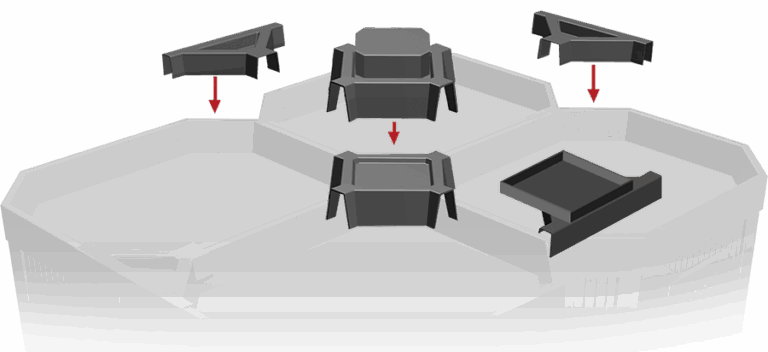
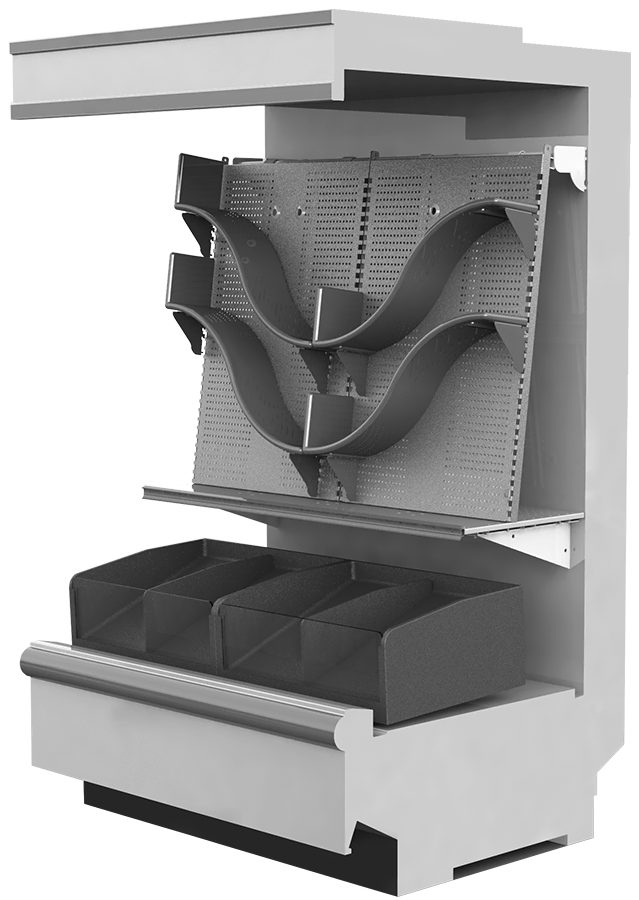
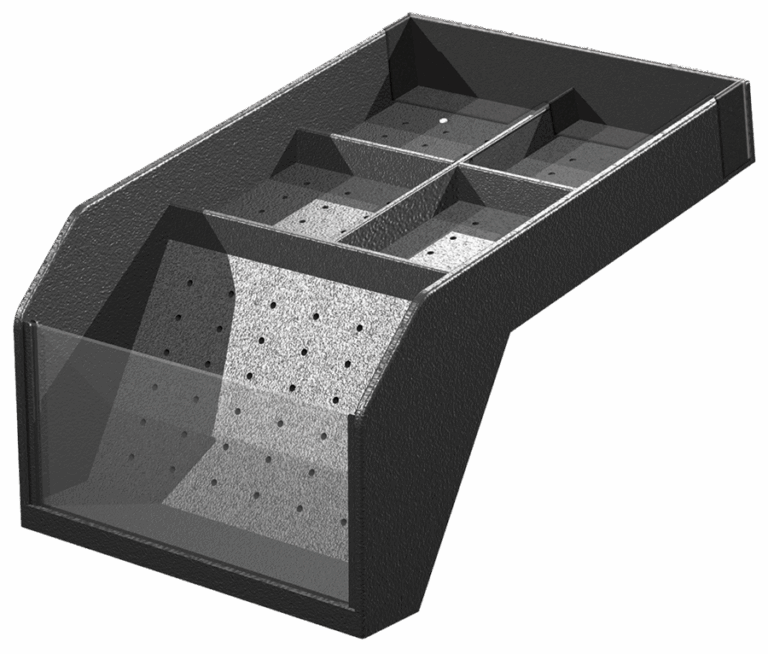
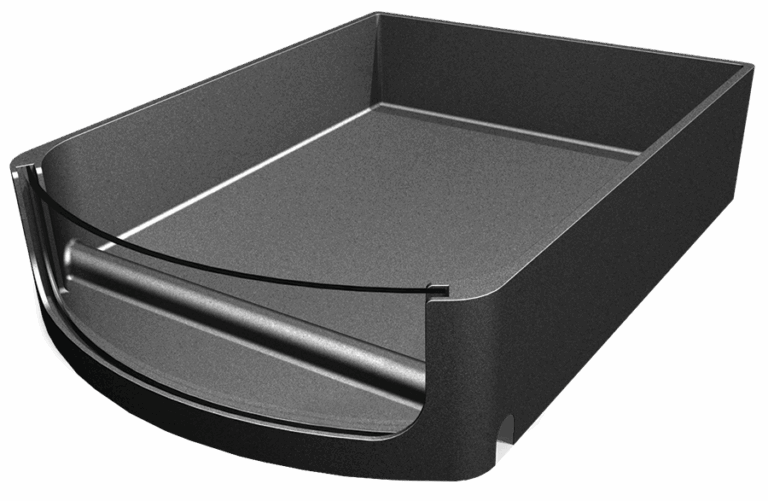
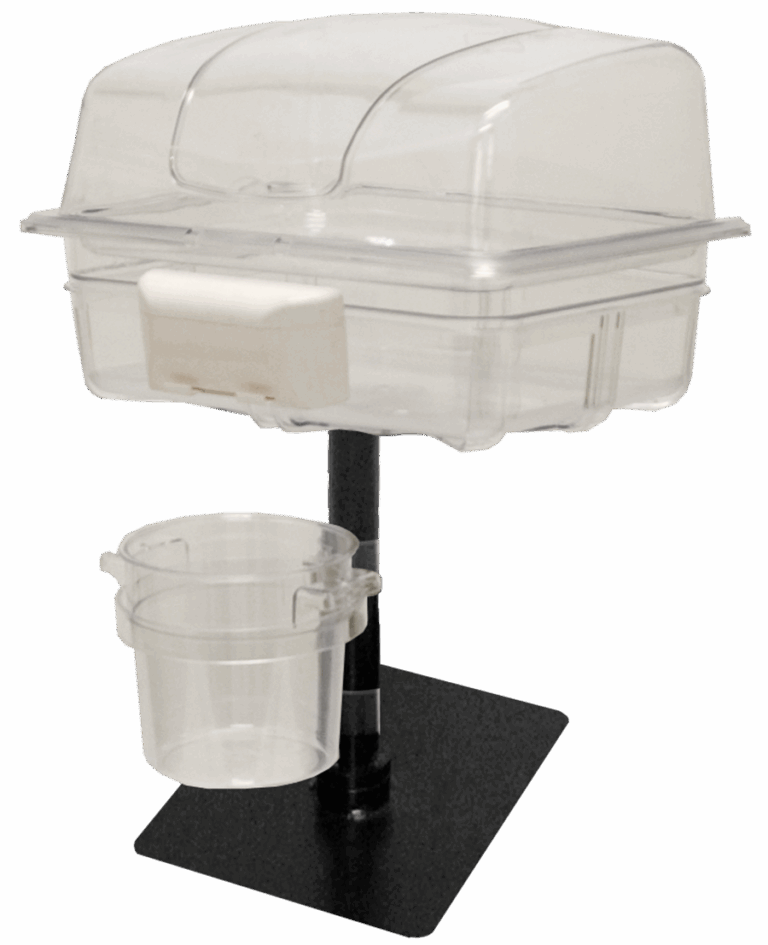
Simple cross-merchandising extenders allow retailers to test new combinations without committing to permanent layout changes, an approach that works especially well for tight store footprints.
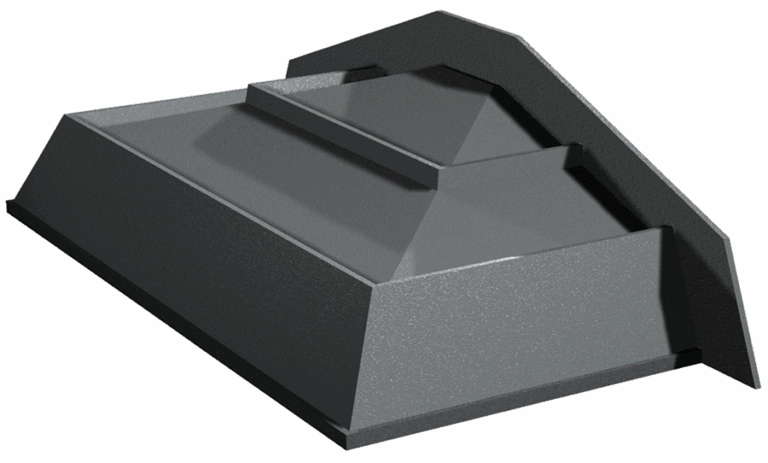
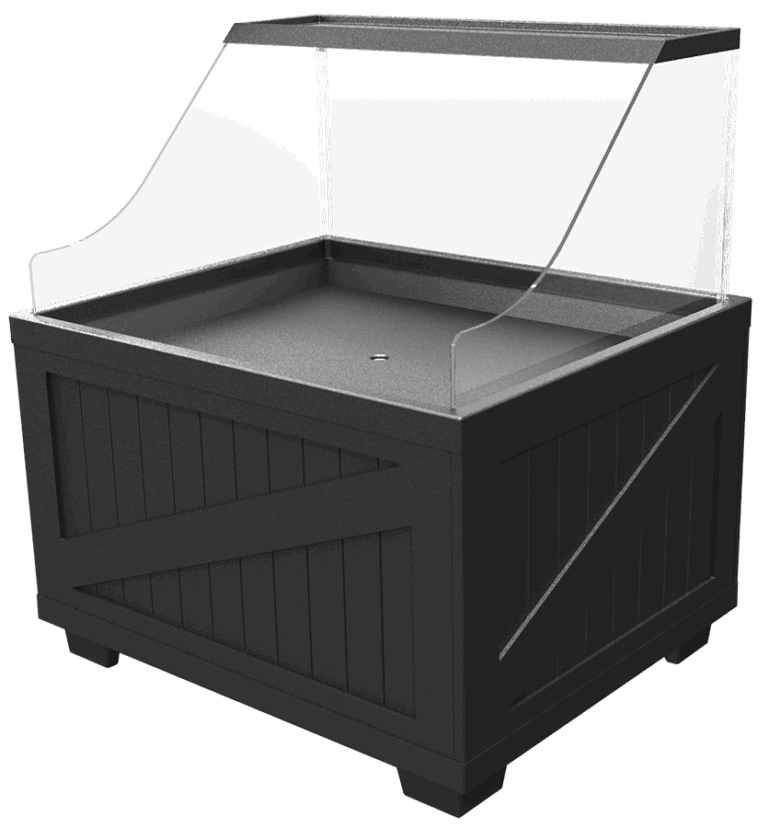
2. Endcap Extenders: Unlock Underutilized Produce Space
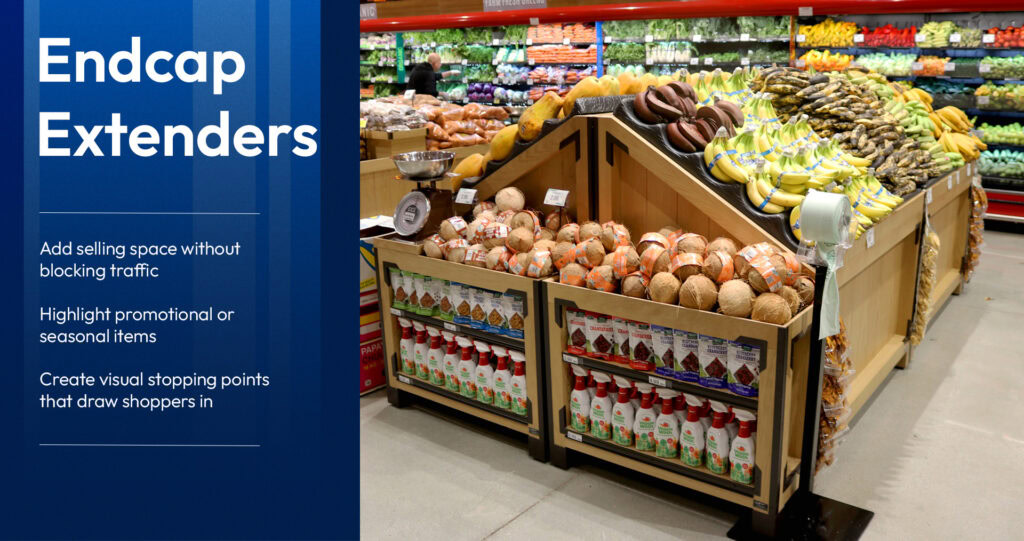
Endcaps are some of the most valuable selling zones in the store, yet they’re often under leveraged in produce departments.
Produce endcap extenders help retailers:
- Add selling space without blocking traffic
- Highlight promotional or seasonal items
- Create visual stopping points that draw shoppers in
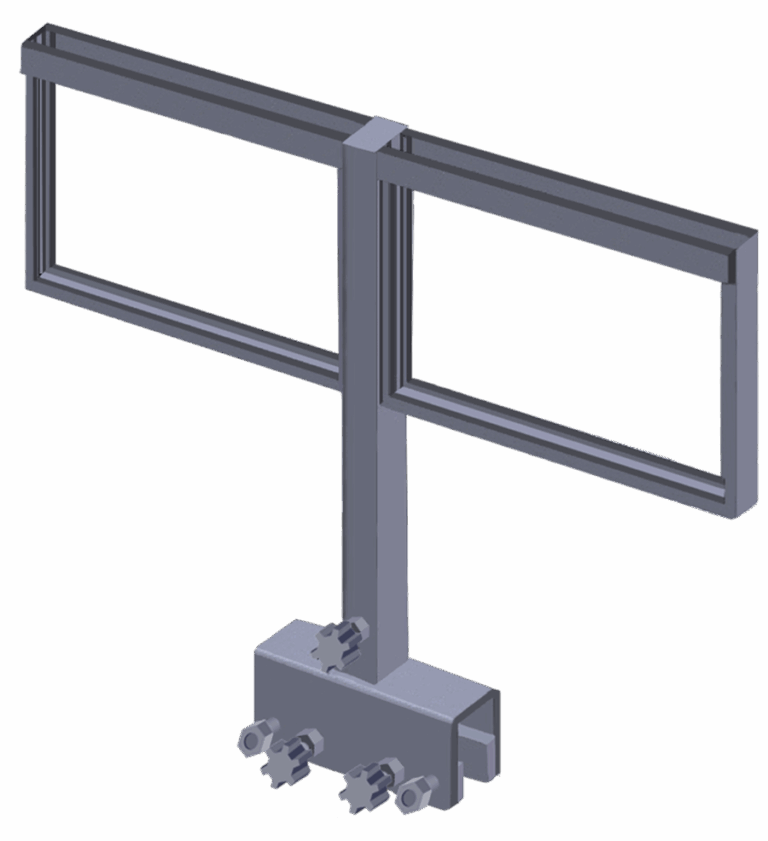
For grocery stores focused on increasing produce sales without expanding floor space, extenders provide measurable impact with minimal operational disruption.
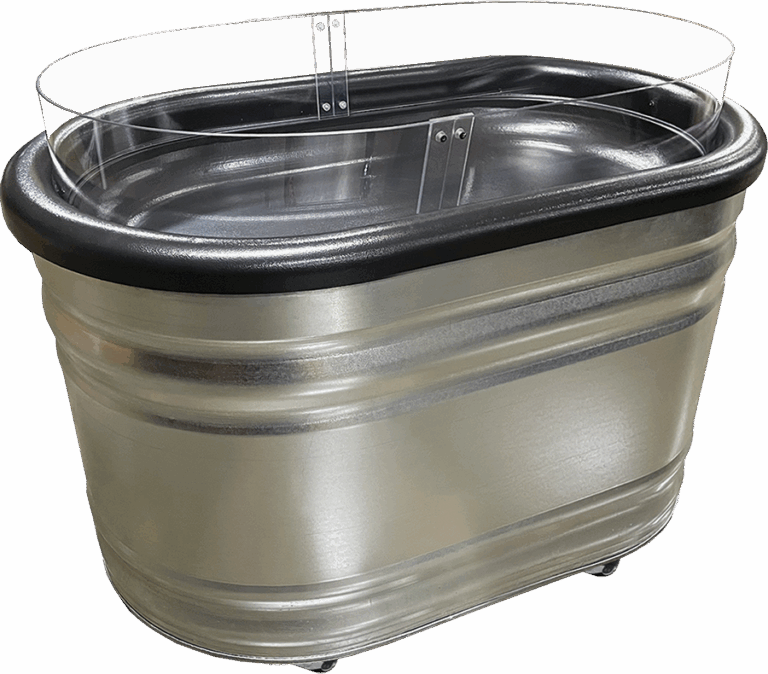
3. Bagged vs. Bulk Produce: A Smarter Merchandising Strategy
As bagged produce continues to grow, many retailers struggle to balance efficiency with visual freshness.
The most successful produce departments:
- Use bagged produce to improve speed and consistency
- Maintain bulk displays to reinforce freshness and abundance
- Adjust the mix by store size, region, or season
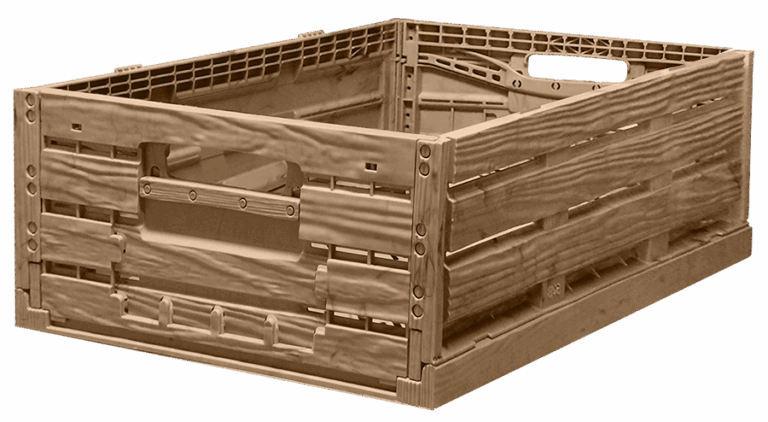
Modular produce merchandising solutions allow buyers to fine-tune this balance without locking into a single layout, which stands as a key advantage for multi-store chains.
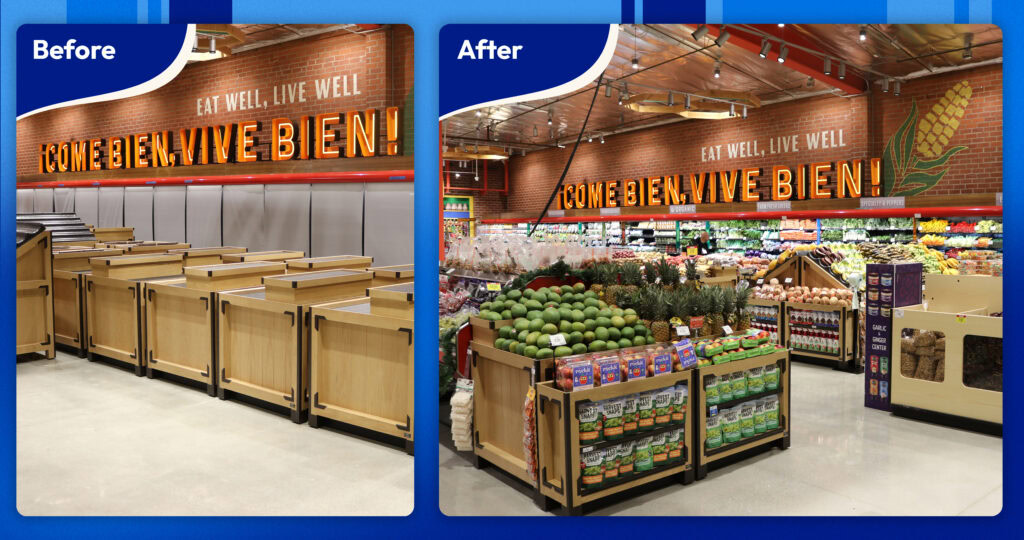
4. Before-and-After Merchandising: Proving the Impact
For buyers evaluating new produce merchandising ideas, visual proof matters.
Before-and-after displays help teams:
- See how space is optimized
- Justify changes internally
- Reduce risk during rollout
Scalable, repeatable merchandising solutions make it easier for chains to standardize improvements across locations without relying on store-by-store improvisation.
What Top Grocery Chains Look for in Produce Merchandising Solutions
When large grocery chains evaluate new merchandising partners, they’re not just asking whether a solution looks good.
They’re asking:
- Can this scale across different store sizes?
- Is it easy for store teams to maintain?
- Has this been proven in real grocery environments?
Merchandising solutions that increase produce sales without expanding floor space help buyers meet performance goals without any risk.
Final Takeaway: You Don’t Need More Space to Sell More Produce
Retailers don’t need larger produce departments to drive growth.
They need:
- Smarter vertical merchandising
- Flexible cross-merchandising strategies
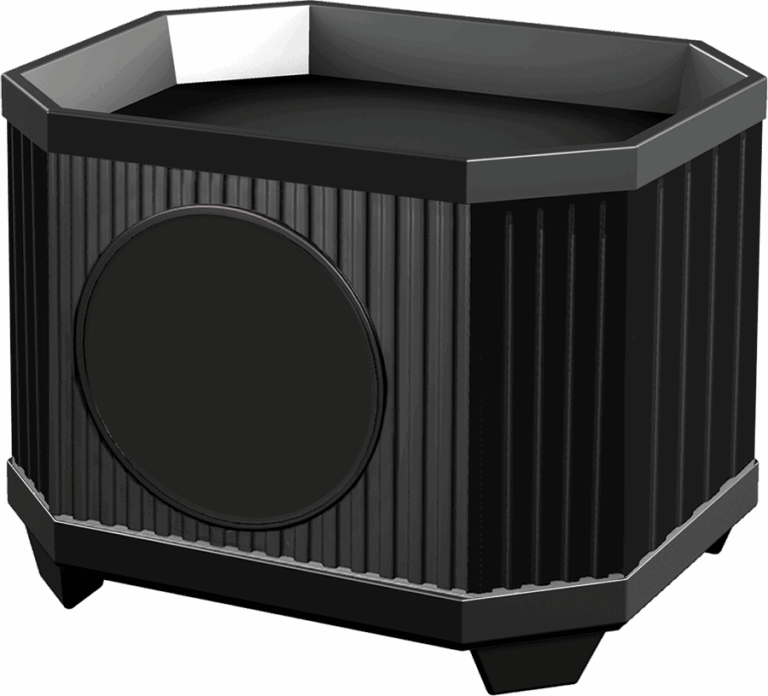
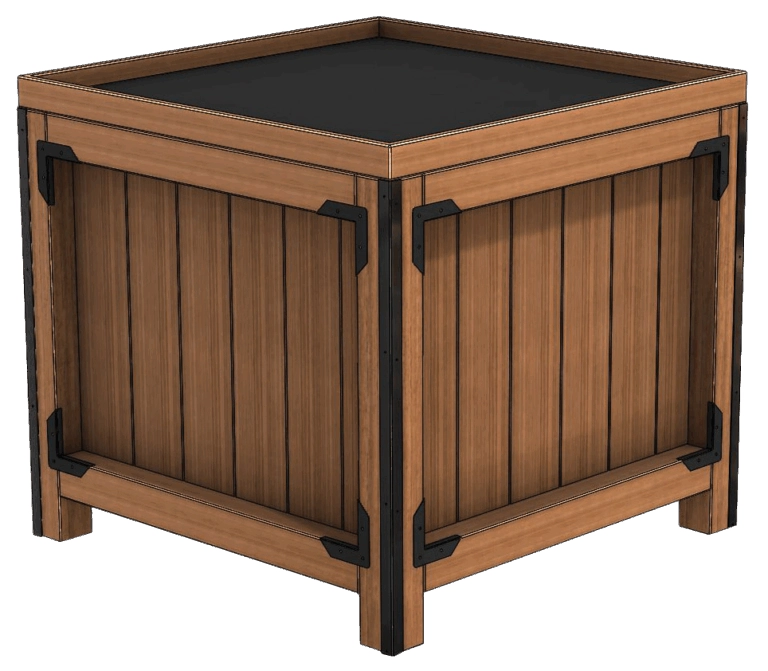
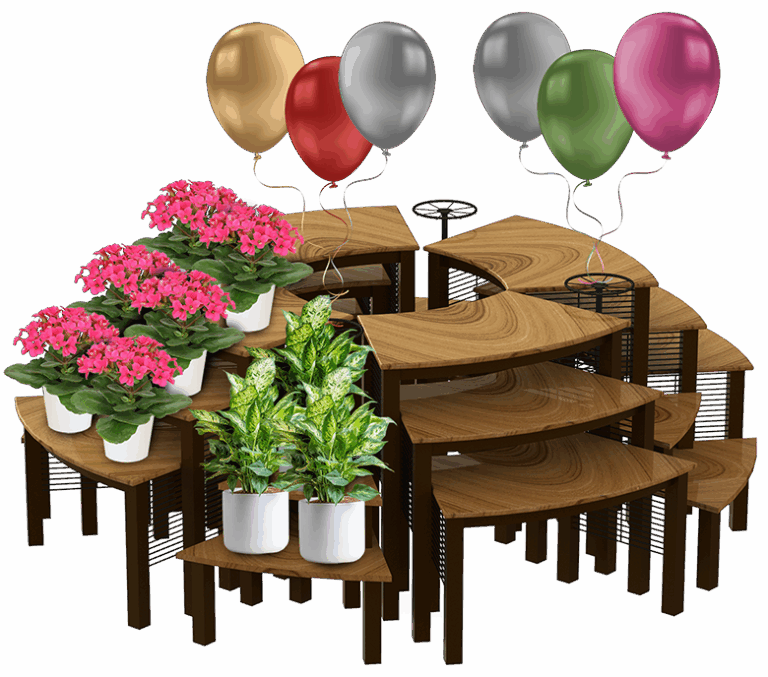
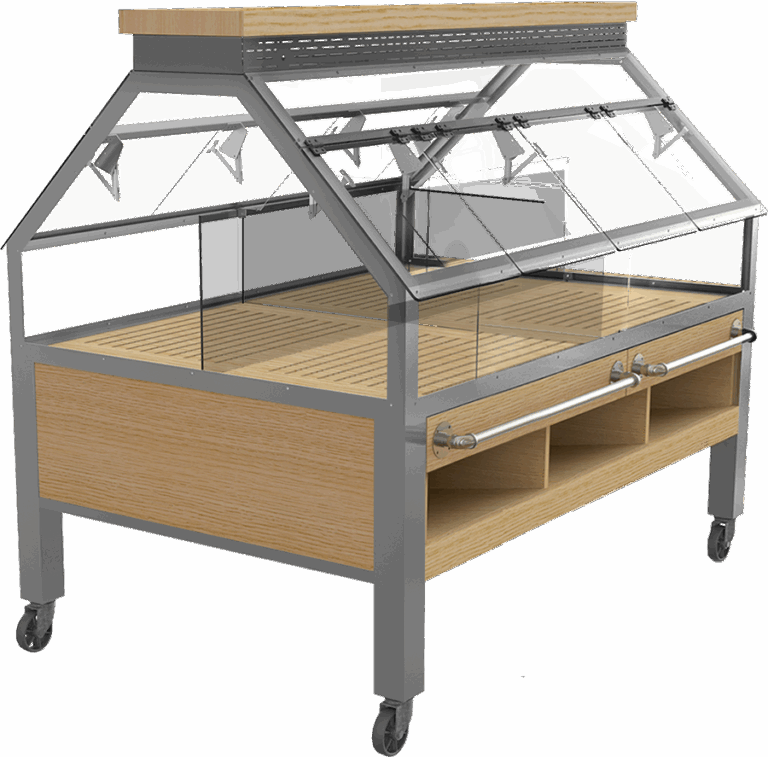
- Modular and adjustable fixtures designed for tight footprints
Optimizing existing space is often the fastest, most cost-effective way to improve produce performance, especially for regional and national chains.