


Retailers who invest in strong fixture planning see stronger performance across fresh departments. Displays influence how shoppers move, what they notice, and how confident they feel when choosing a product.
Progressive Grocer recently highlighted this trend in its coverage of how fixtures shape in-store results.
The ideas in the article align perfectly with what we see in the field. Fixture design shapes shopper behavior and supports higher engagement. Below are the areas buyers should focus on when planning updates in 2026 and onward.
1. Shopper Flow Starts With the Display
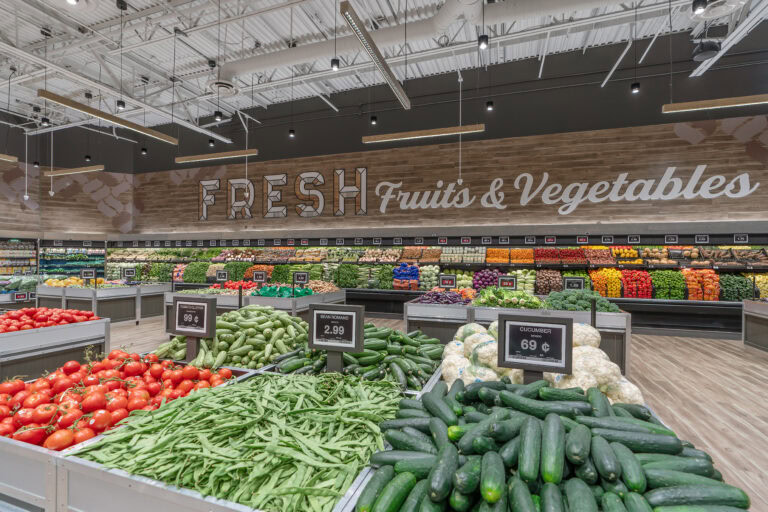
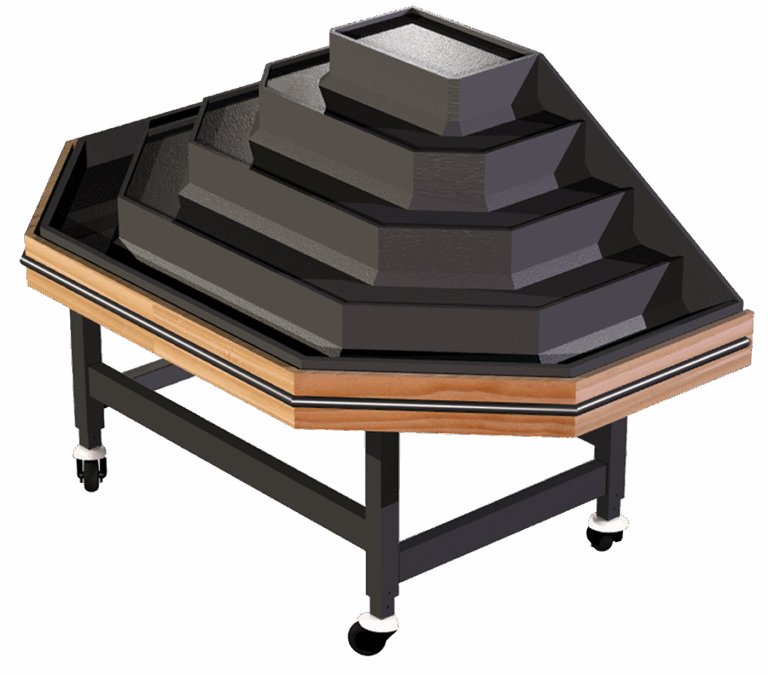
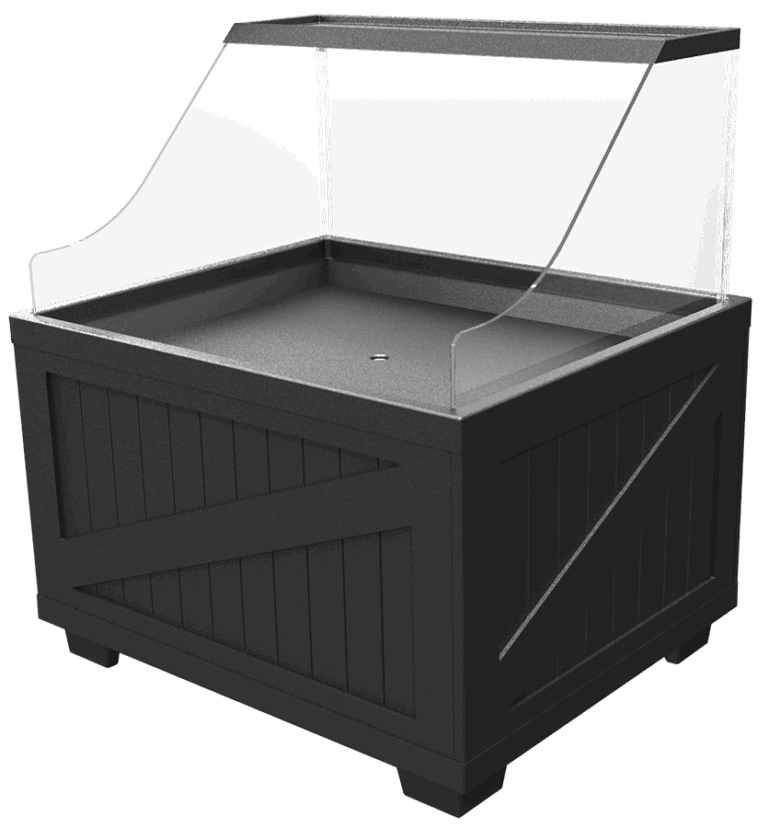
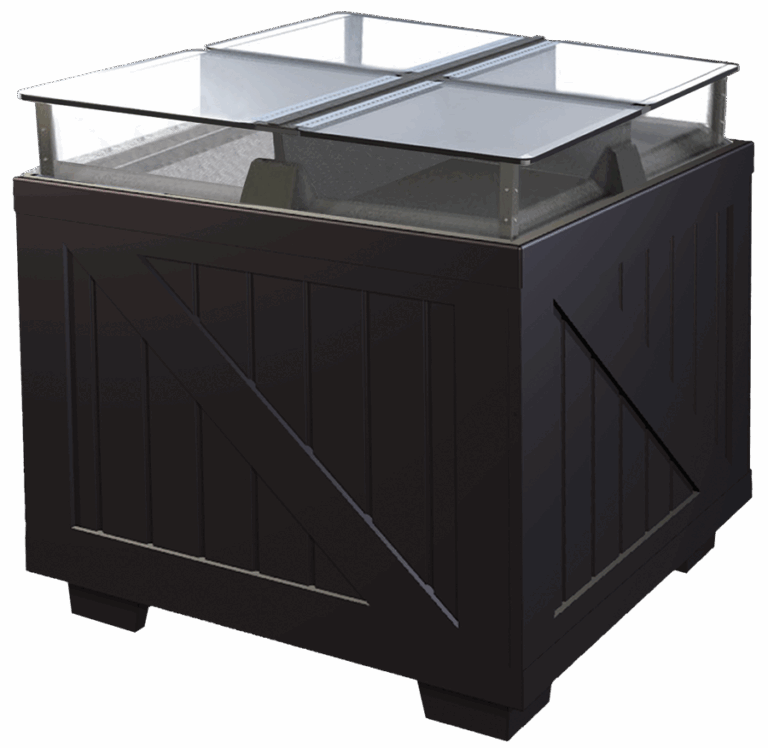
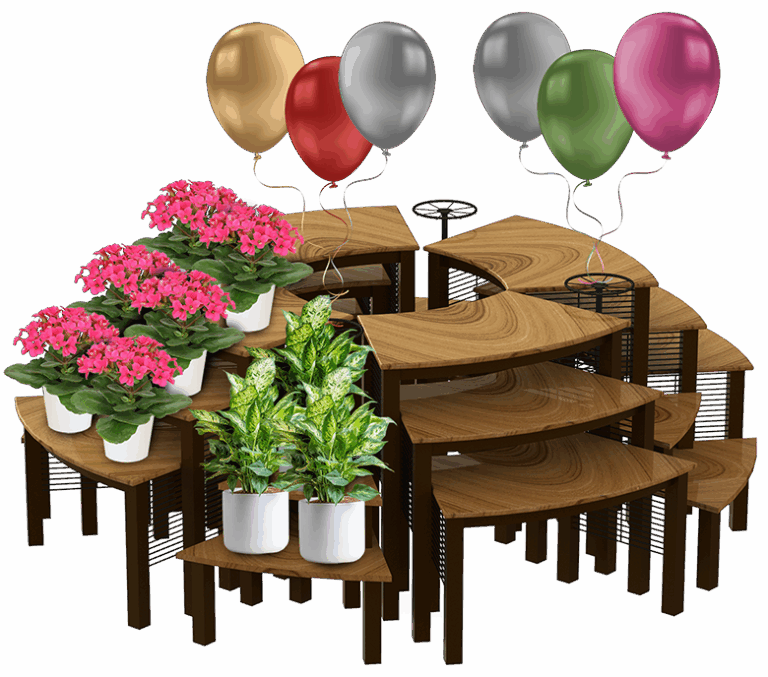
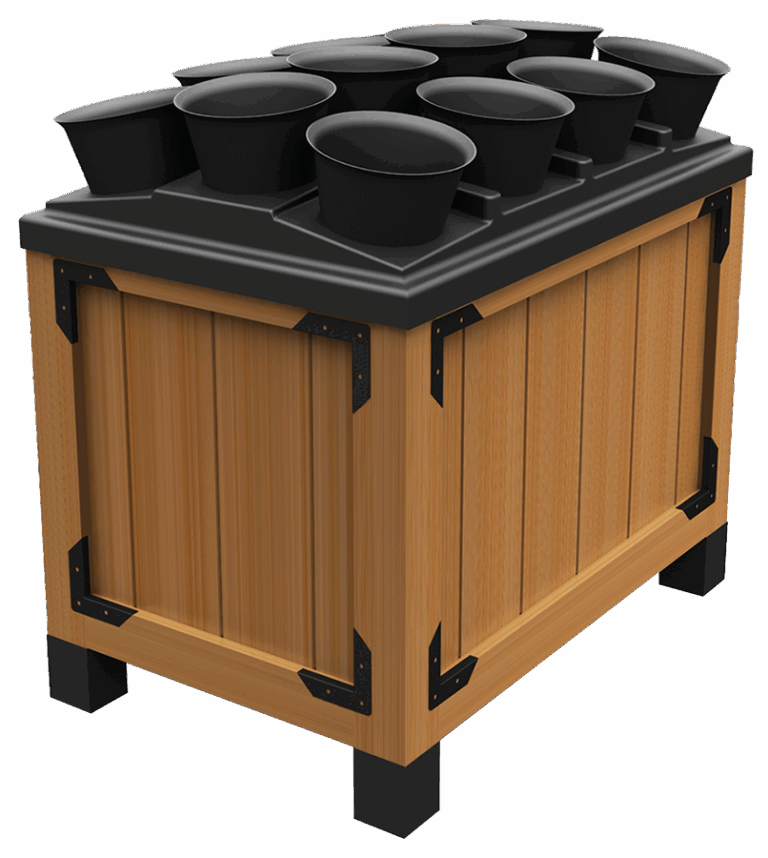
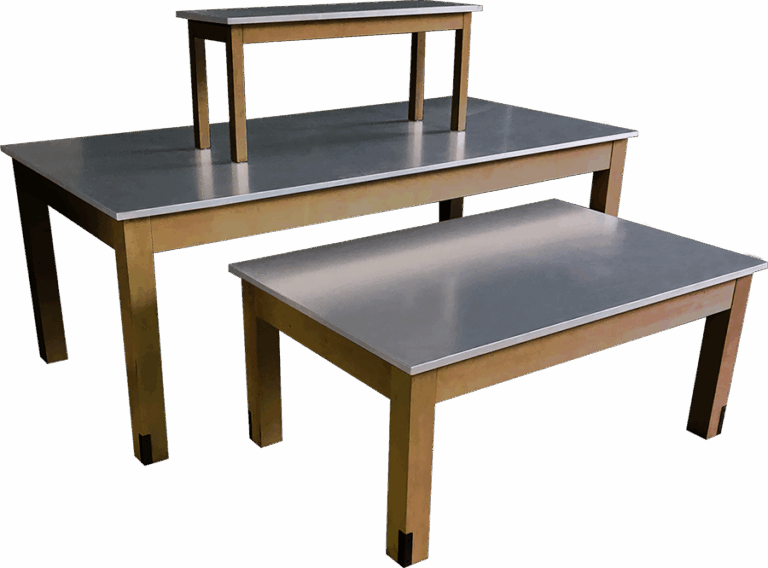
Your layout shapes how long shoppers stay in each section and how many products they notice. Strategic placement increases dwell time, supports planned shopping, and influences impulse decisions. A table at the entrance sets the first impression and introduces a theme for the department. A forward bakery table creates a clear pause point that helps shoppers reset their attention before moving on. A floral setup in a low traffic corner strengthens circulation in weak zones and balances overall movement across the floor.
Placement affects visibility, dwell time, and total interaction. A strong layout improves navigation and raises the chances shoppers engage with more of your assortment.
2. Materials and Presentation Shape Perceived Freshness
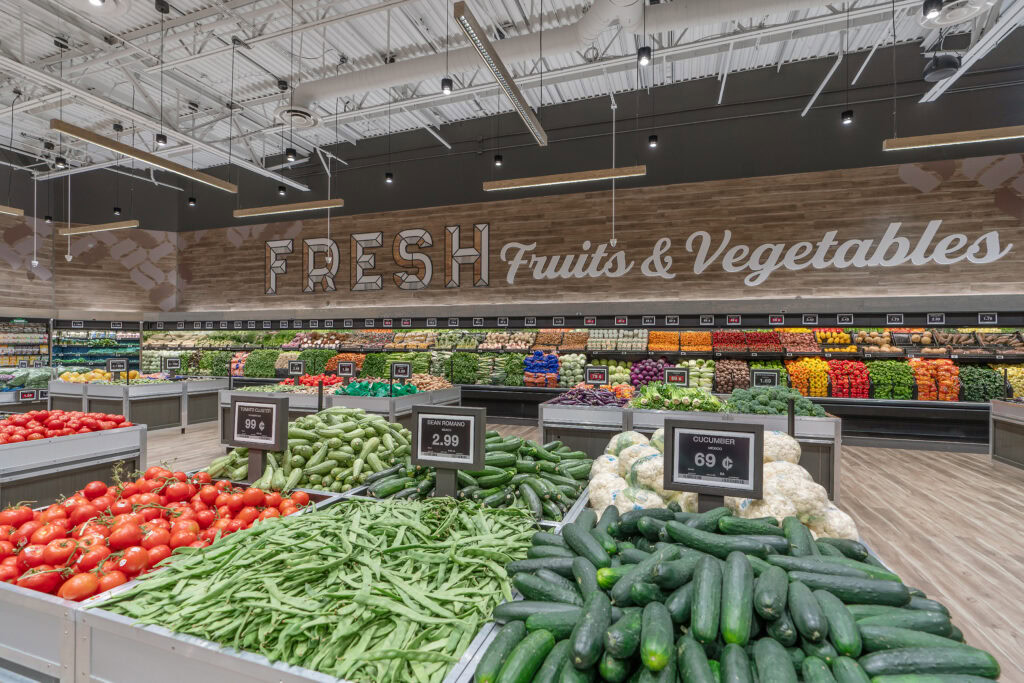
Material choices influence how shoppers judge freshness and value before they pick anything up. Wood tones and clean structures signal quality and consistency. Clear visibility reduces hesitation and helps shoppers trust what they see. Smooth edges and organized lines support a sense of order that encourages quicker decisions.
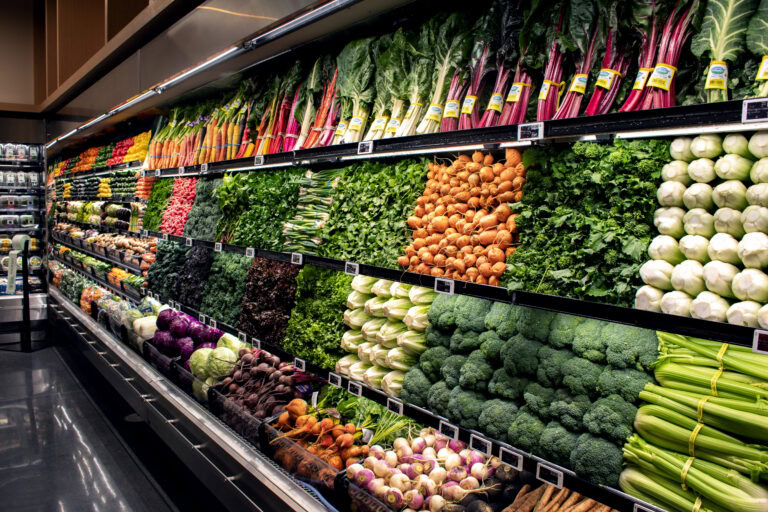
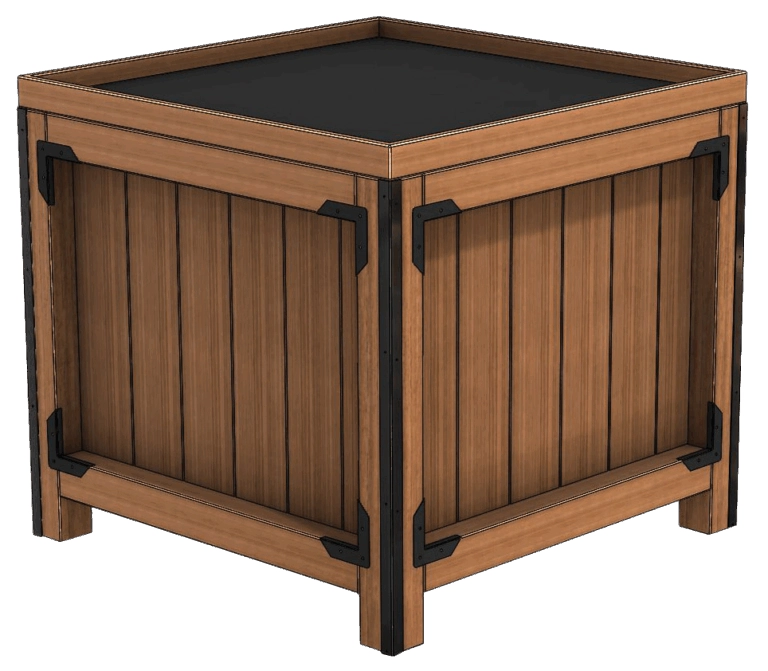
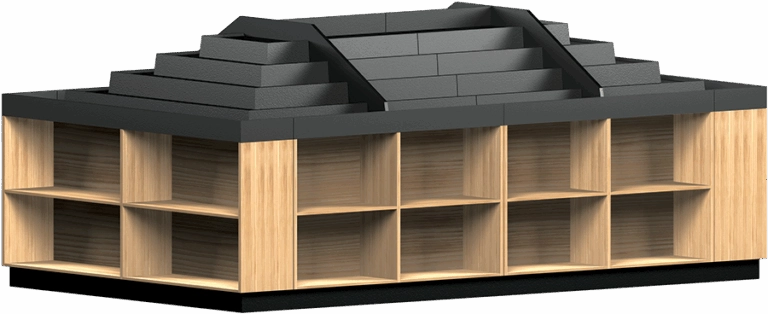
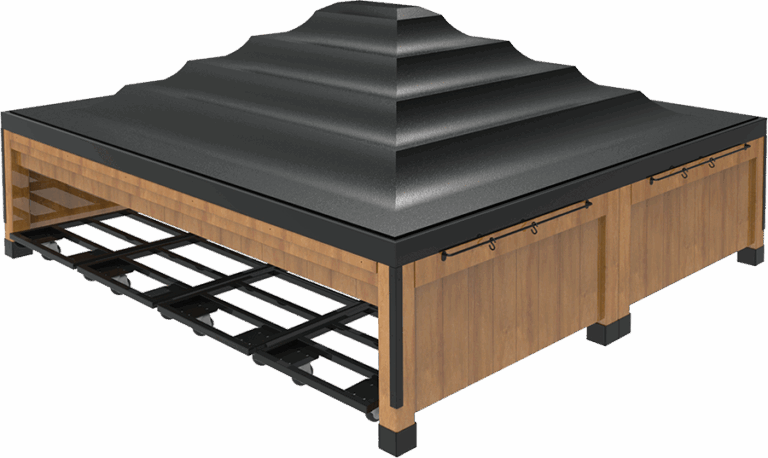
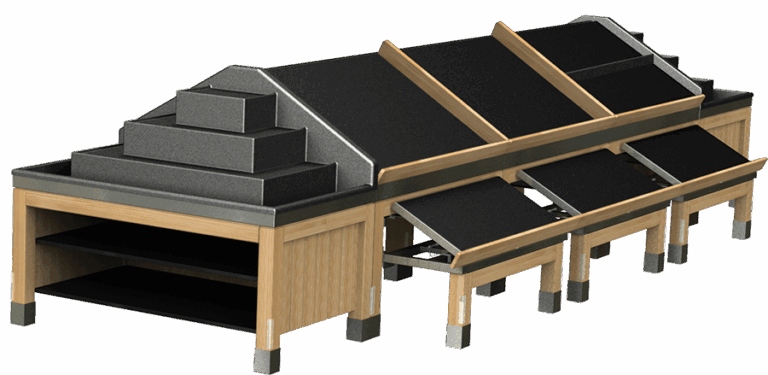
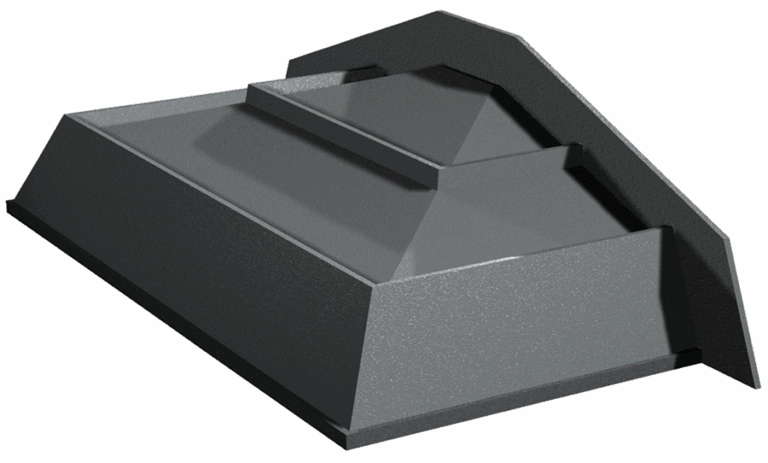
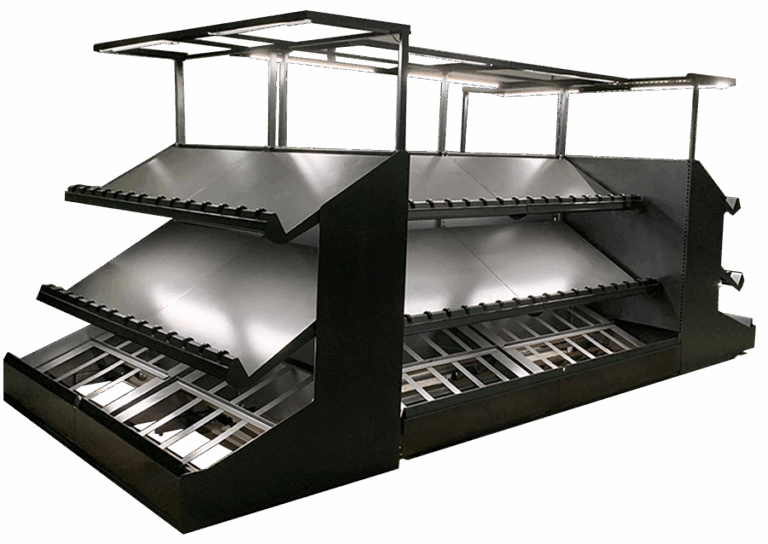
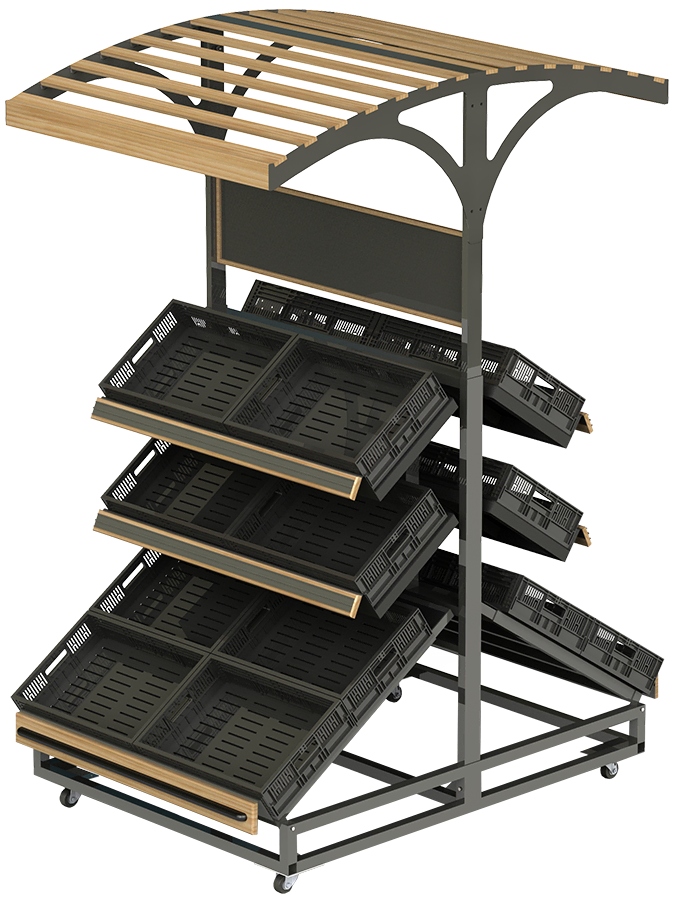
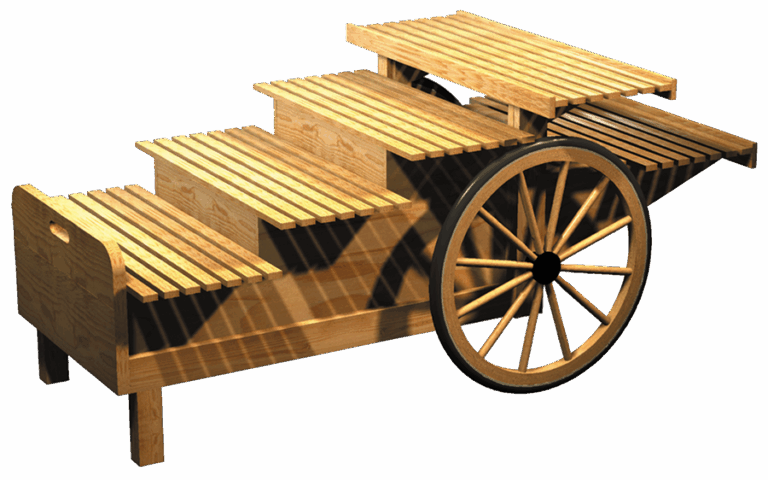
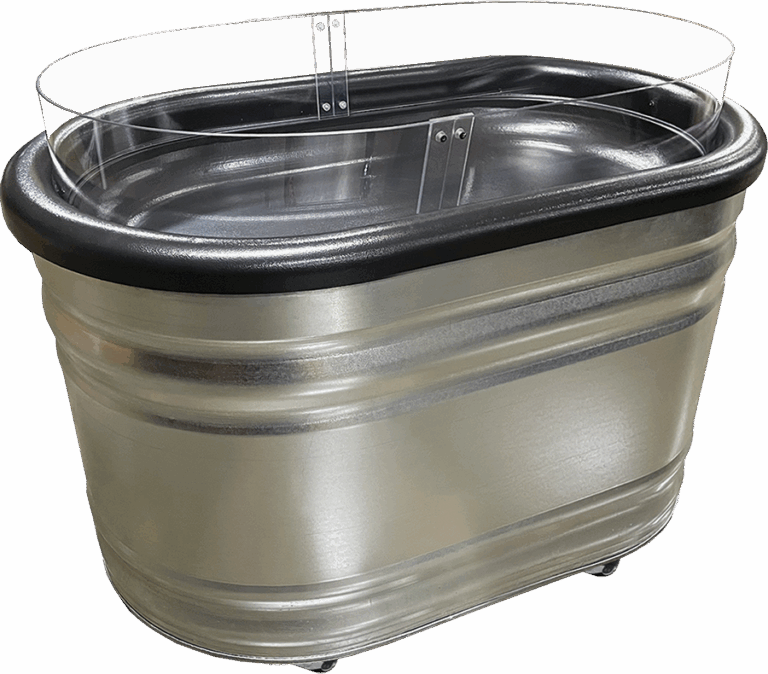
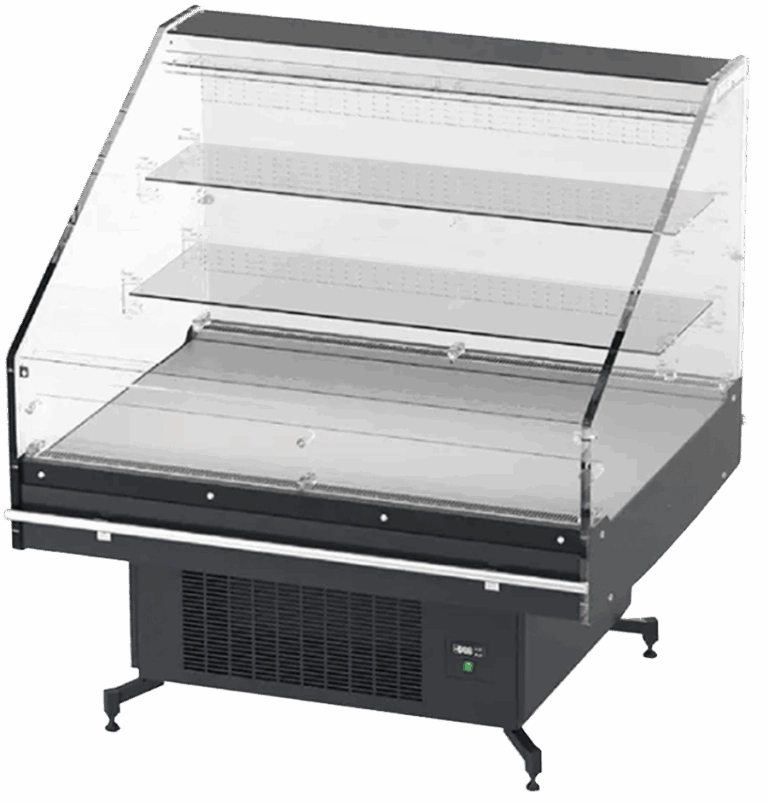
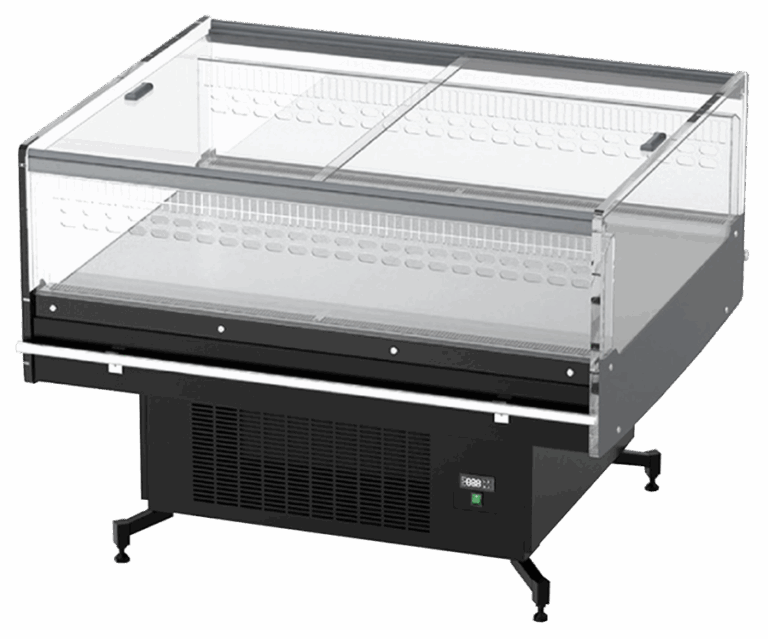
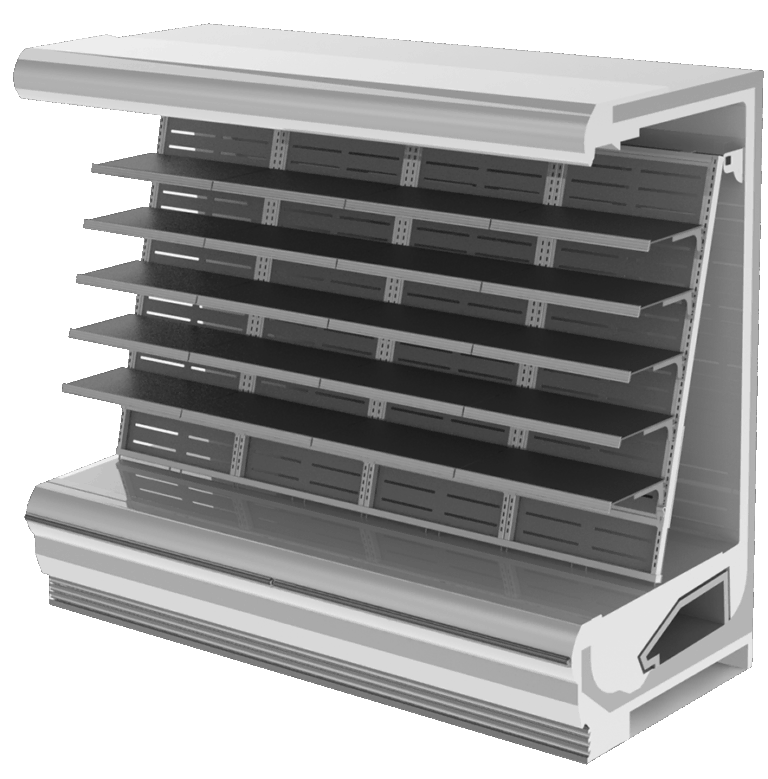
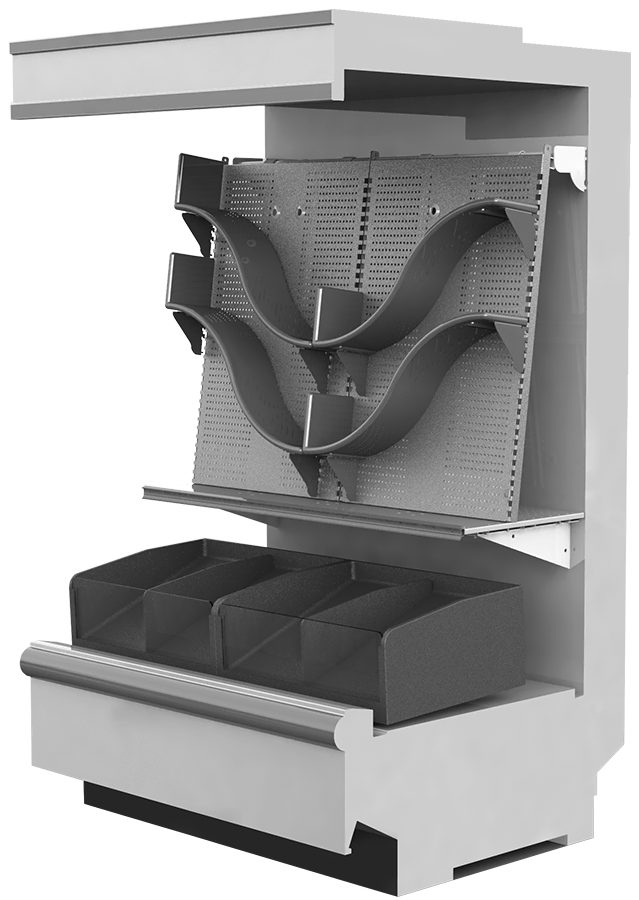
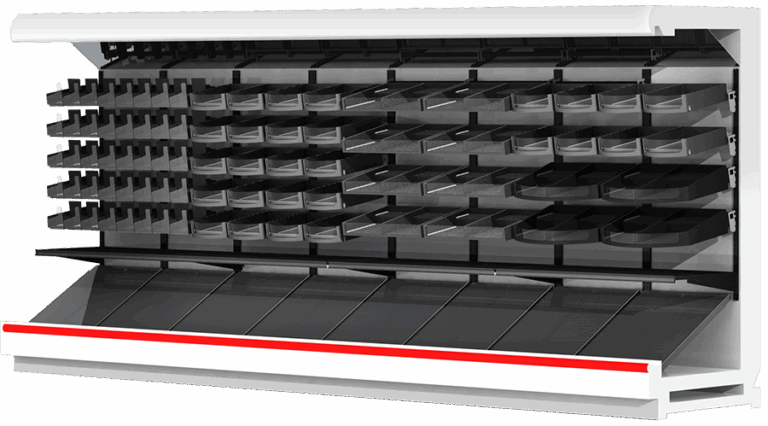
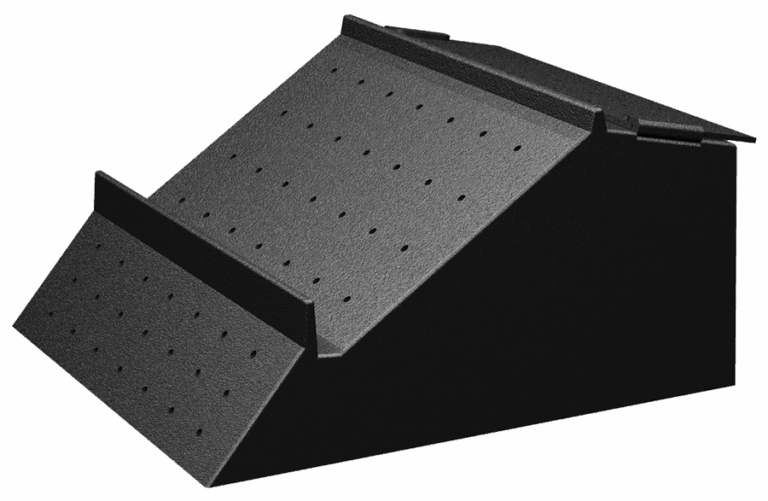
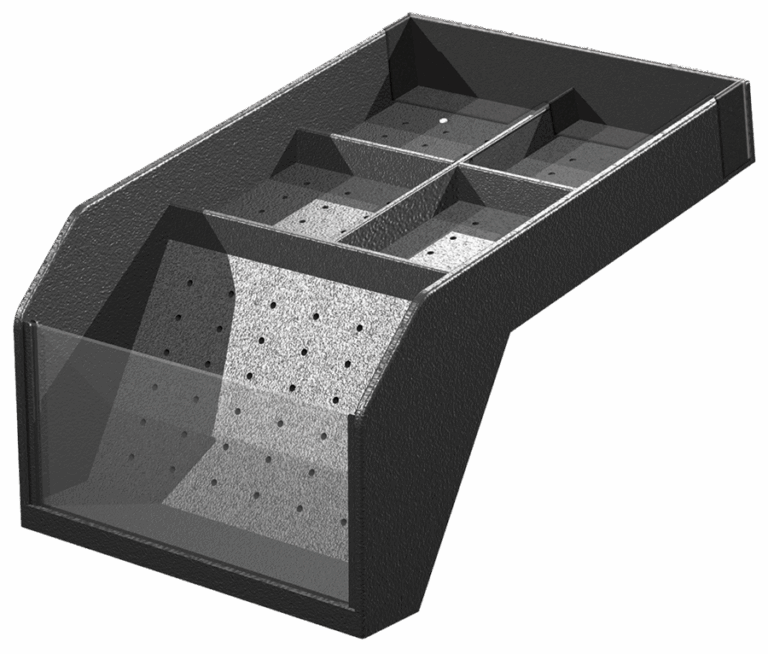
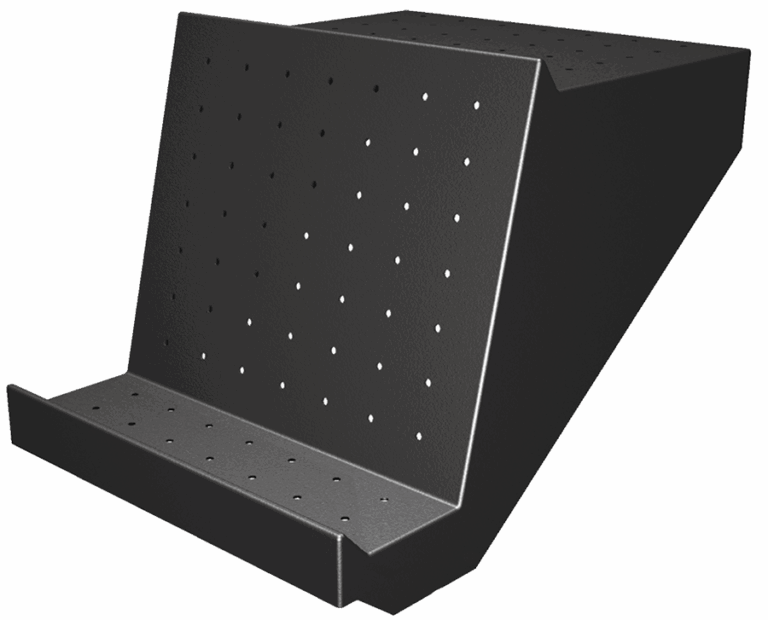
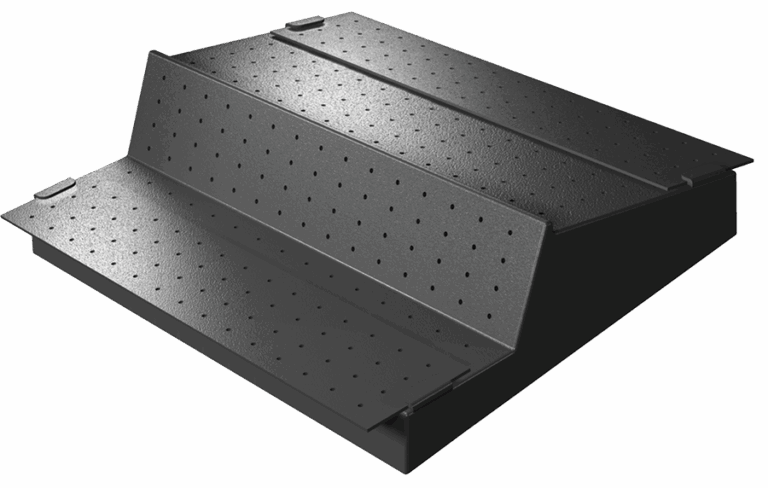
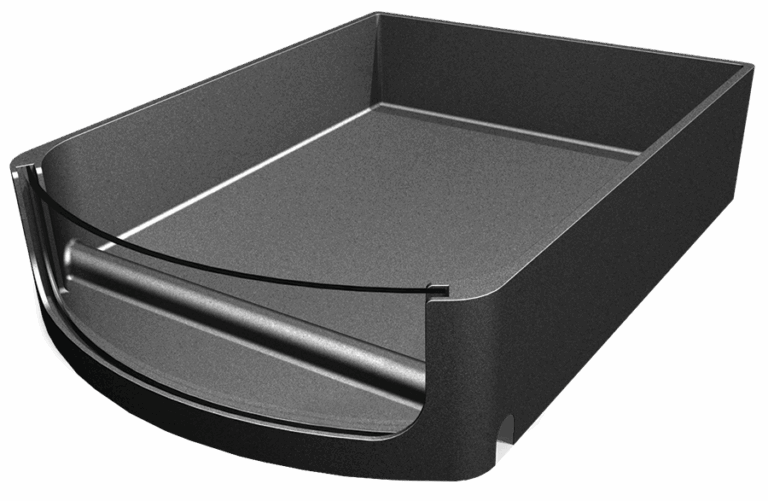
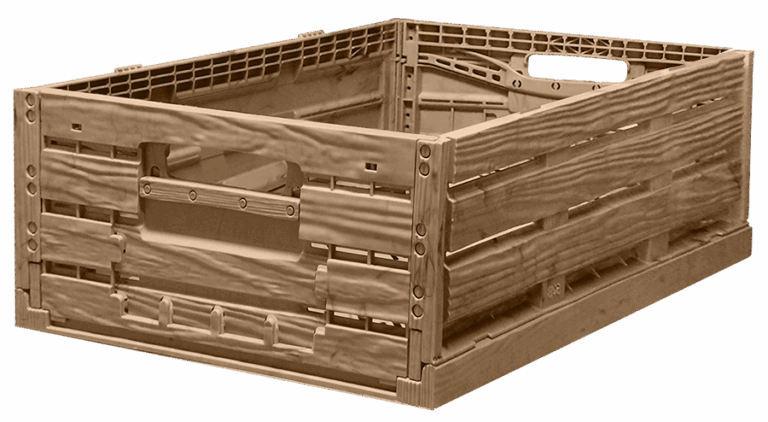
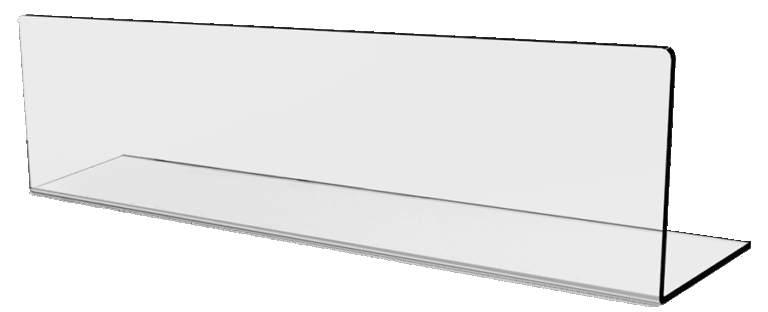
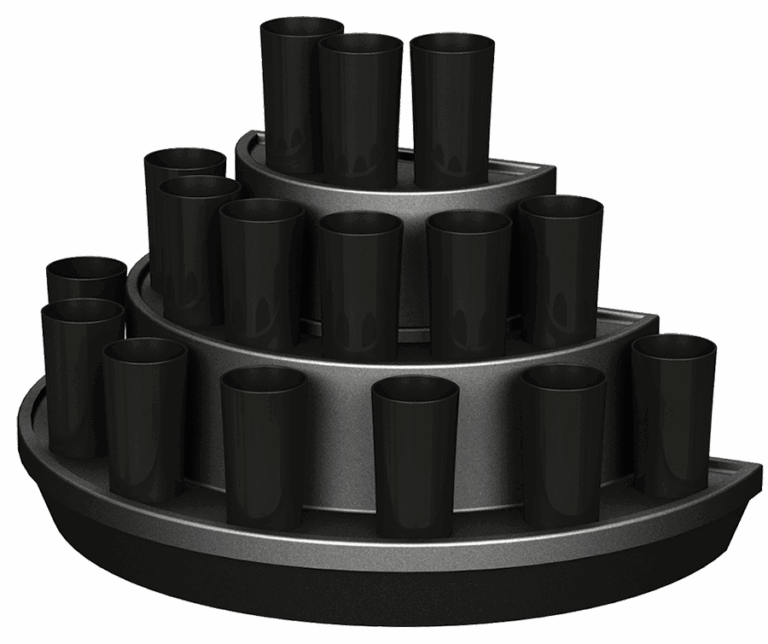
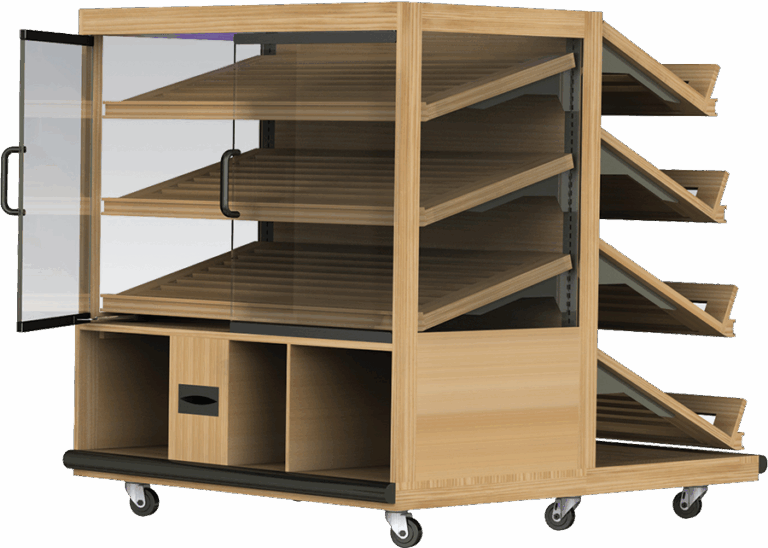
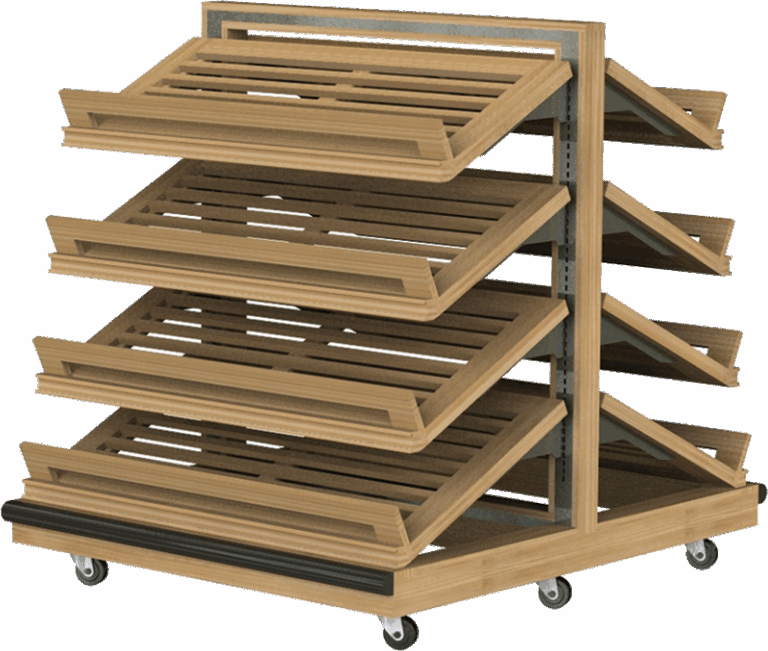
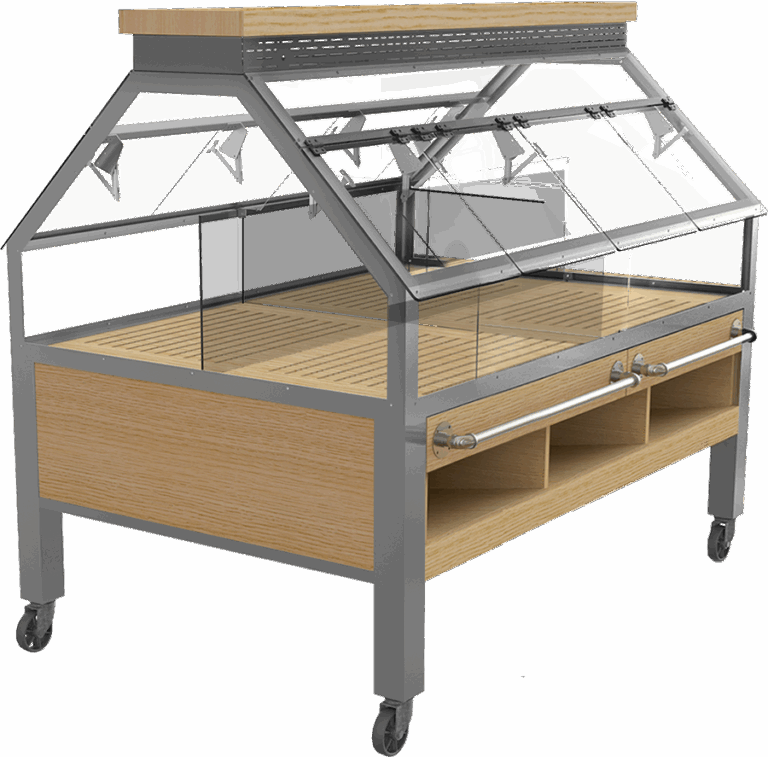
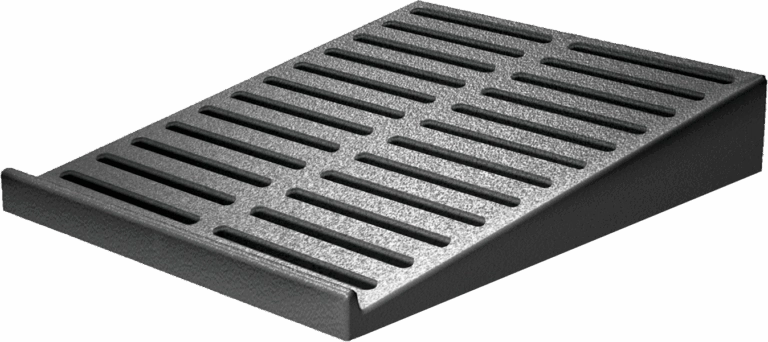
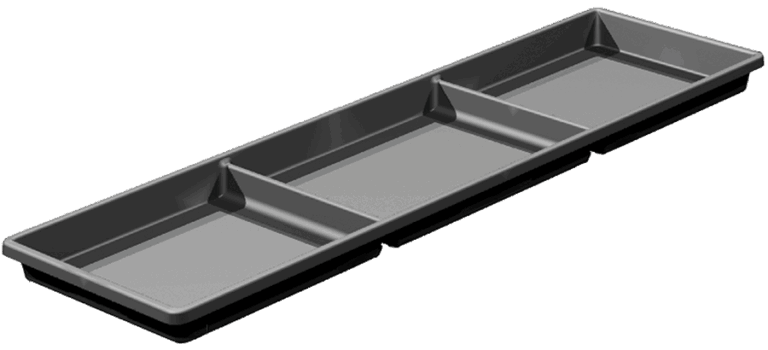
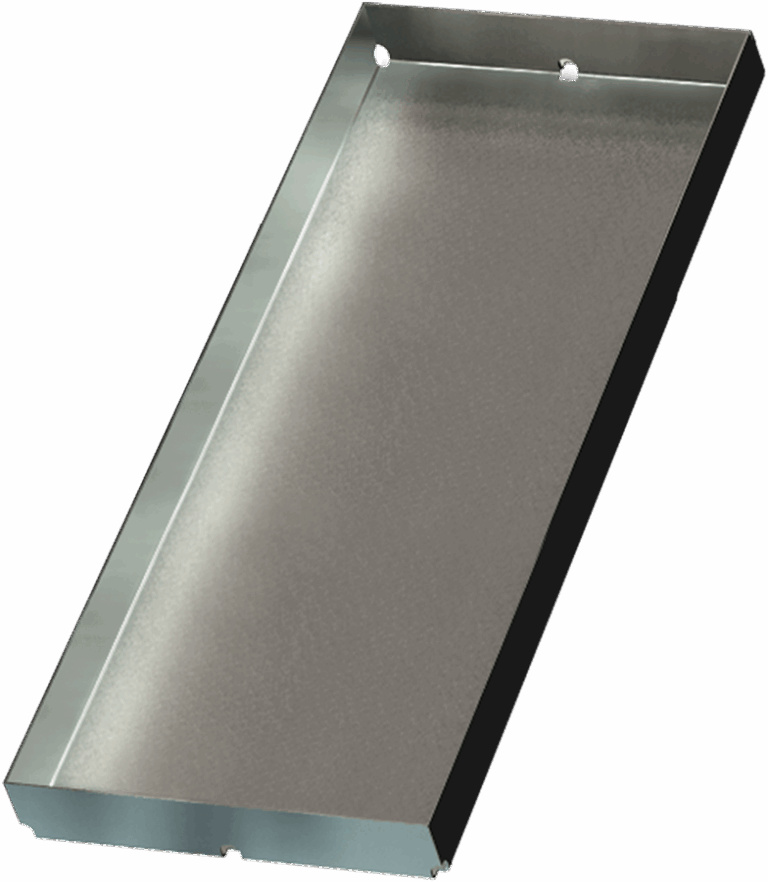
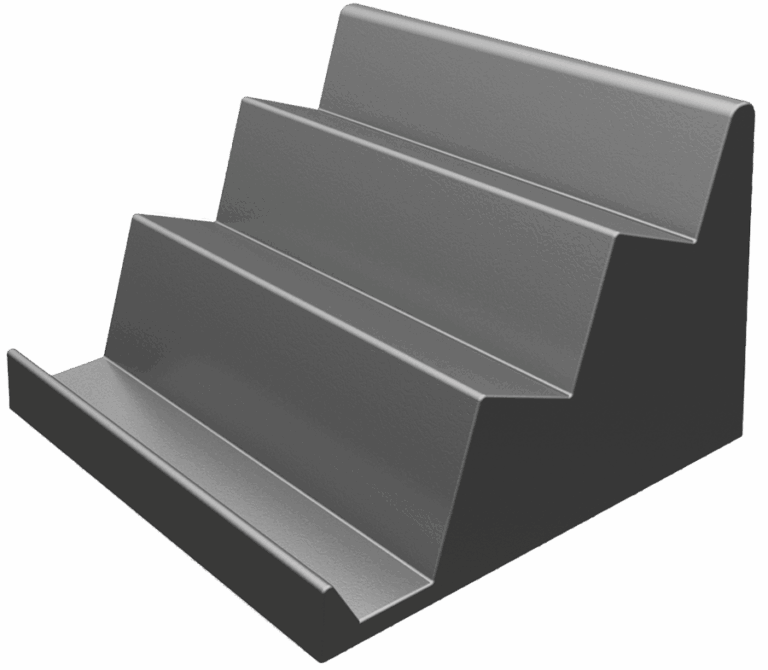
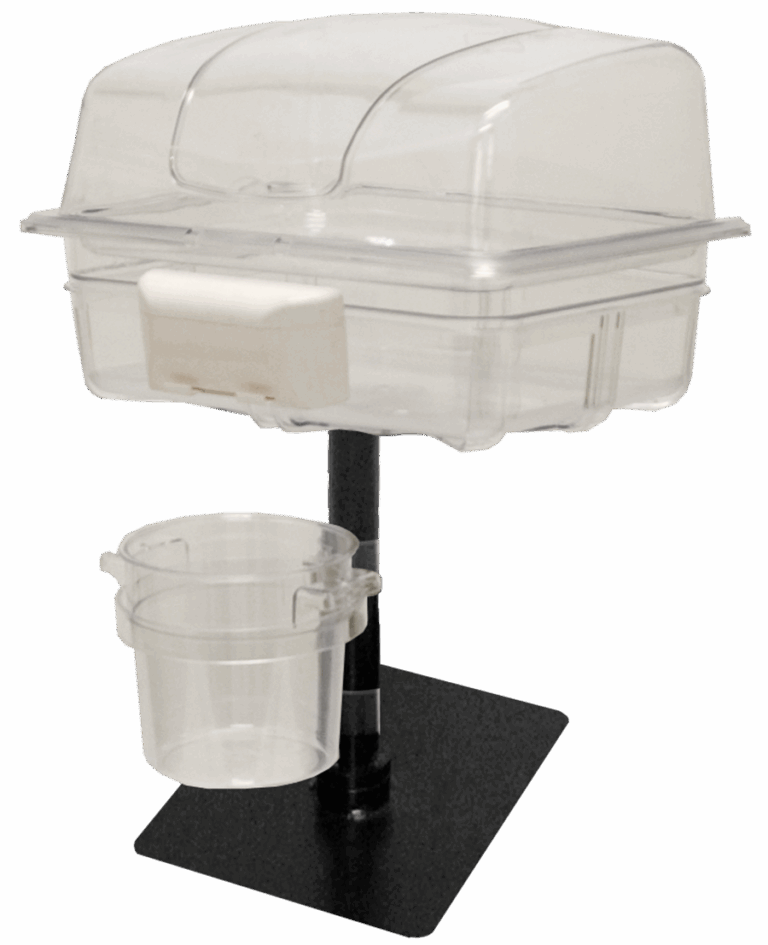
Sustainable materials like Reclaimed Wood supports a natural, organic impression that highlights raw freshness with produce and floral. Clear view trays reduce the need to dig, keep the product front facing, and help staff monitor conditions faster. Tiered layouts lift items into the sightline and reduce blind spots that weaken engagement.
Every material and presentation choice affects how shoppers read quality and how connected they feel to the department.
3. Flexibility Is Now Essential
Fresh departments shift throughout the day, not only during seasonal resets. Inventory levels rise and fall, promotions change without much notice, and shoppers expect aisles to stay organized even during peak hours. Flexible fixtures reduce strain on staff and help departments respond to real-time conditions.
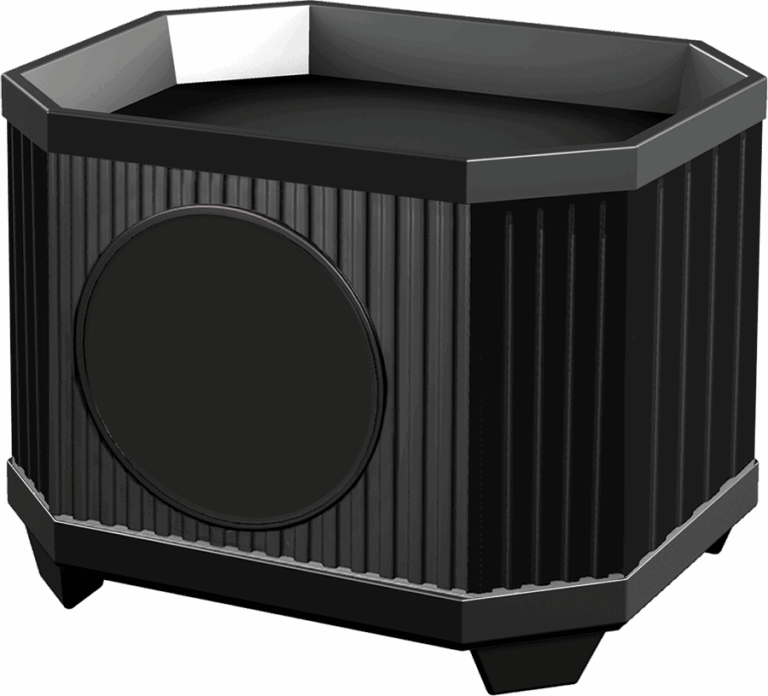
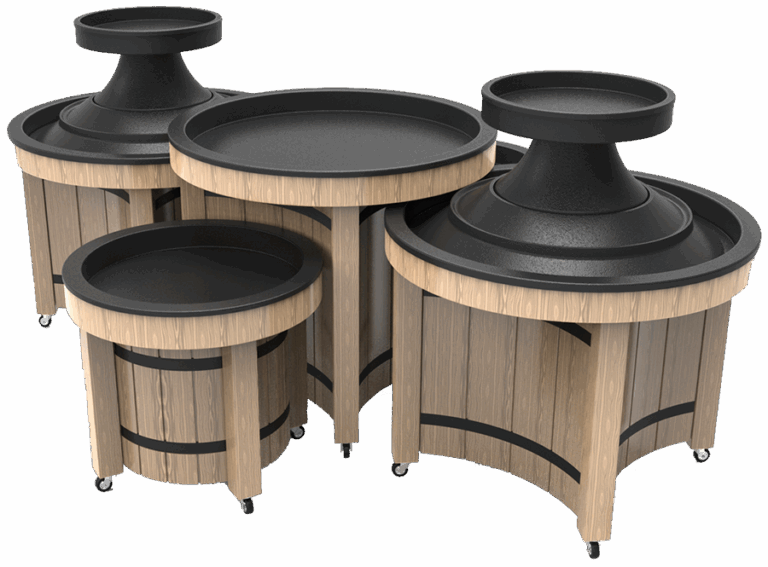
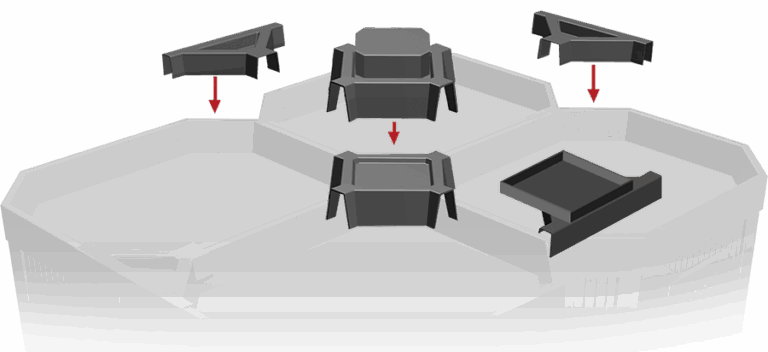
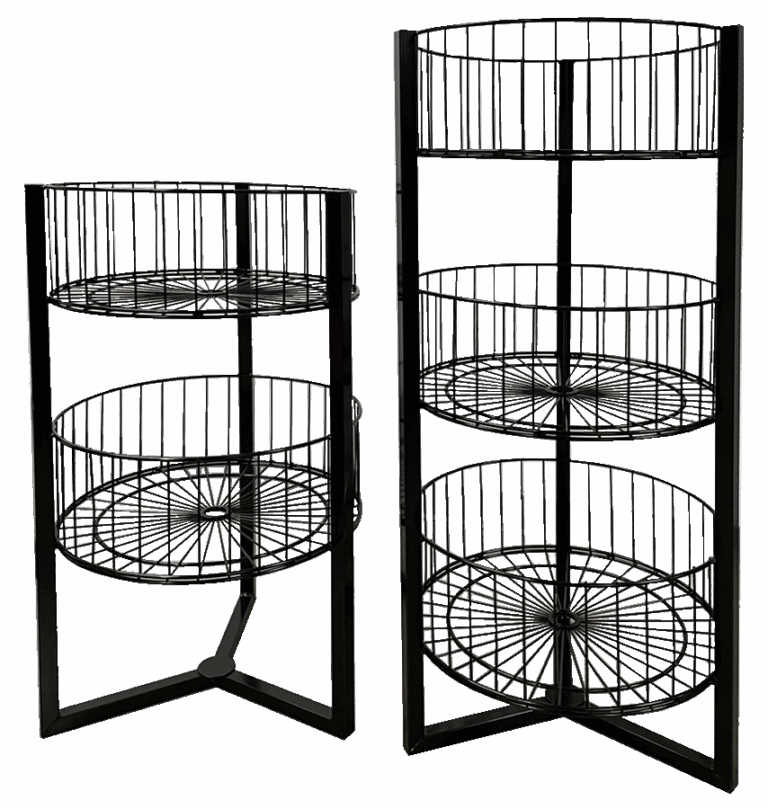
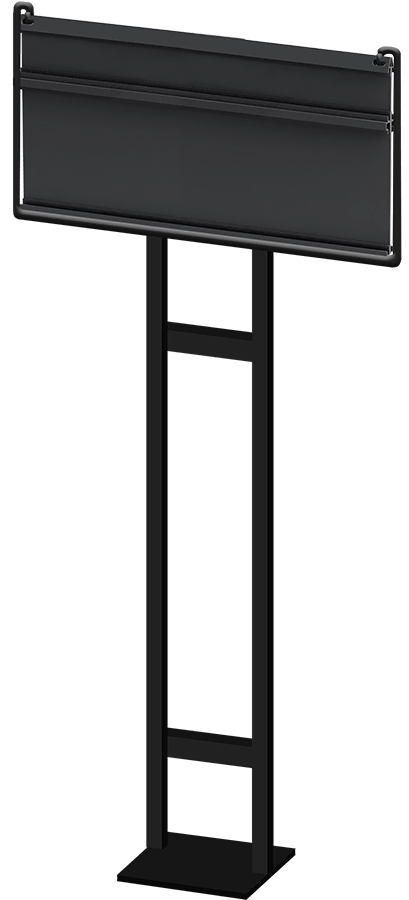
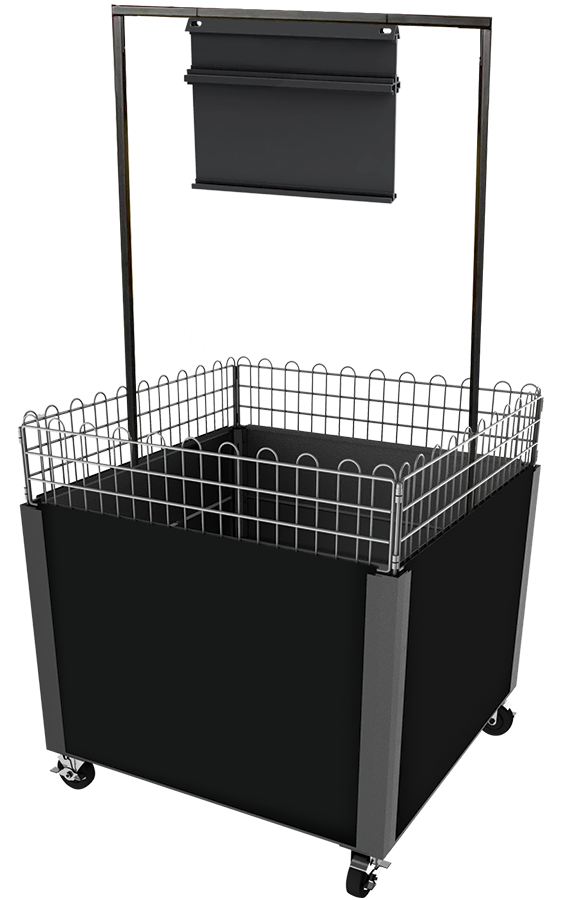
Buyers look for modular tables that break into smaller zones, graphic areas that swap out without tools, convertible bins that shift from bulk to packaged, and nesting sets that open floor space when traffic increases. Lightweight but durable builds let staff adjust layouts quickly and keep presentation standards high. Fixtures that expand or contract with inventory reduce clutter and support consistent merchandising.
Departments that adjust without disruption maintain stronger appearance standards and move shoppers through the floor with fewer obstacles.
4. Strong Fixture Planning Supports Sales
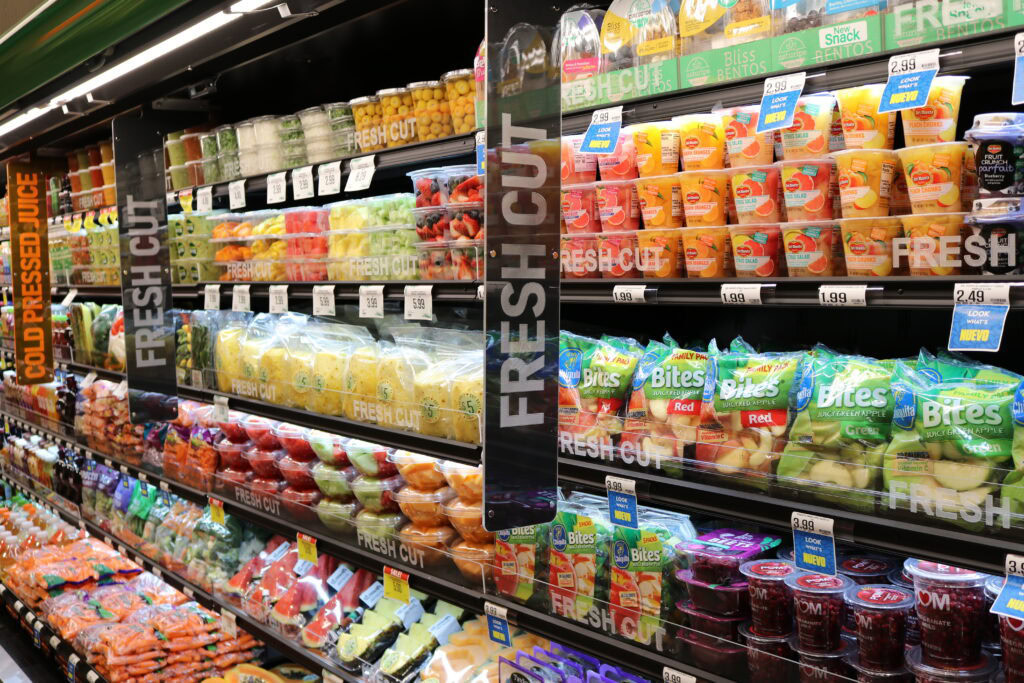
Departments perform at a higher level when fixture planning aligns with shopper behavior. A layout built with intention reduces visual stress, helps shoppers process choices faster, and supports higher confidence when selecting fresh items.
Effective planning evaluates the full path. You look at entry points, the first sightline, how shoppers turn, where traffic slows, and which zones require extra visibility. High-value or fragile items need placement at natural pause points. Heavier or lower-margin items benefit from wider space and simple access. Planning also considers how the department should feel, from openness to structure to rhythm between displays.
Clear, logical layouts improve navigation and help shoppers make decisions without hesitation. This consistency supports stronger sales and keeps the department performing throughout the day.
5. Questions to Ask Before a Refresh
Use these questions before making fixture updates.
- Is the layout leading shoppers to priority sections?
- Do the displays lift the perceived freshness of the product?
- How fast can the layout adjust for promotions or seasonal shifts?
- Do shoppers have easy access to see and reach product?
- Does each fixture support the story your department presents?
If multiple answers feel unclear, the strategy needs attention.
Where the Industry Is Heading
Retailers are moving away from uniform fixture plans and toward systems built around shopper behavior, labor efficiency, and daily variability. Departments need displays that adjust with real inventory patterns, reduce staff effort, and keep presentation standards high from morning to evening.
Buyers are prioritizing modular builds, clearer sightlines, and materials that reinforce freshness across every category. They want layouts that support cross-merchandising, faster resets, and better use of underperforming corners. Stores that adopt these principles create departments that feel current, organized, and easier to shop.
The direction is practical. Flexible. Fresh. Purpose driven. Retailers who lean into these priorities maintain stronger performance and more responsive operations.
Your Turn
Retailers approach merchandising updates from different starting points. Some need fixtures that modernize aging departments. Others work with tight floor plans and need smarter use of every square foot. Some want better visibility for seasonal, local, or high-margin items. Others need durable systems that handle heavy traffic and frequent resets without wear.
Share what you are seeing across your departments as you plan your next update. Your priorities help shape the strategies and solutions that support stronger performance.