














































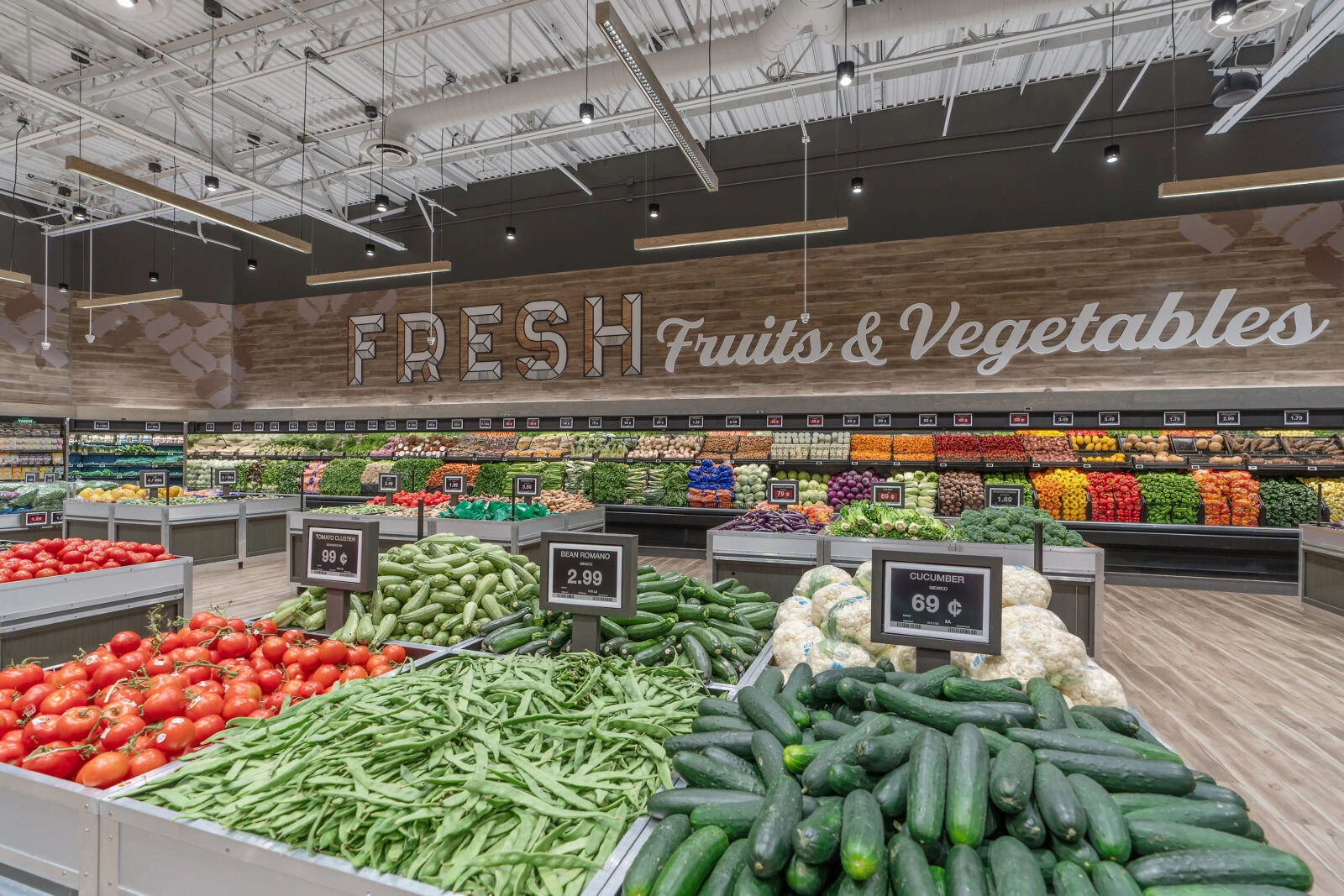
The produce department sets the tone for the entire store.
In 2026, shoppers are not just buying fruits and vegetables. They are forming opinions about freshness, quality, health, and value, all before they even reach the center aisles.
That matters because shoppers today are more intentional than ever. They plan meals on the fly, they read labels, and they make choices based on health signals, not just price tags. And U.S. national dietary guidance is reinforcing those behaviors in a way that’s hard to ignore.
America’s New Nutrition Policy Is Driving Shopper Behavior
Recently, the U.S. Departments of Health and Human Services and Agriculture updated the Dietary Guidelines for Americans for 2025–2030 and made a clear statement about how people are recommended to eat: prioritize whole, minimally processed foods, including fruits, vegetables, and nutrient-dense proteins, while reducing added sugars and highly processed foods.
As the official site states:
“Eat Real Food means choosing foods that are whole or minimally processed and recognizable as food.”
The guidelines emphasize regular consumption of vegetables and fruits, and encourage a wide variety of high-quality proteins from seafood, poultry, meats, eggs, and plant sources.
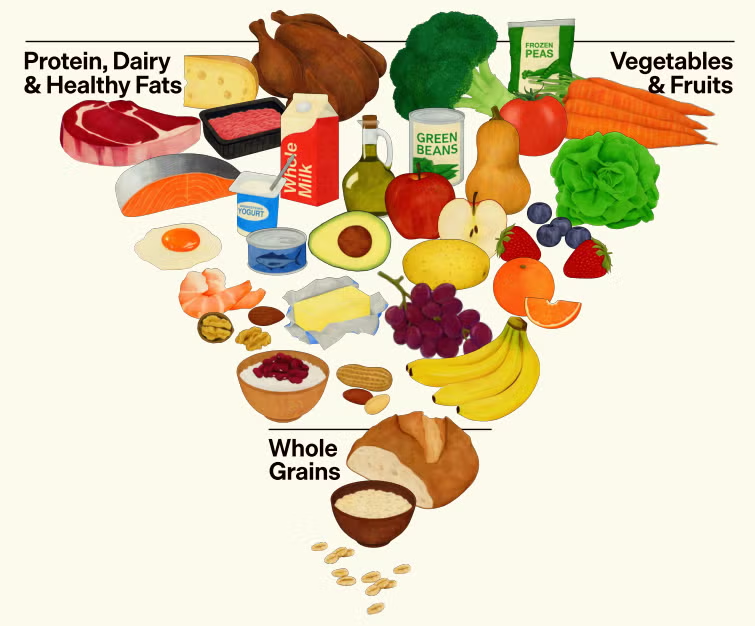
This guidance reflects how conversations around food and health are evolving. Shoppers are seeing this in media, nutrition conversations, and personal wellness goals. And they’re bringing it into the store. American shoppers are now more likely to spend more time and money in all fresh departments.
This shift influences expectations not just in produce, but also in meat and seafood departments, where many of the same behaviors apply: shoppers expect fresh, clean options, clear labeling, and merchandising that supports healthy decision making.
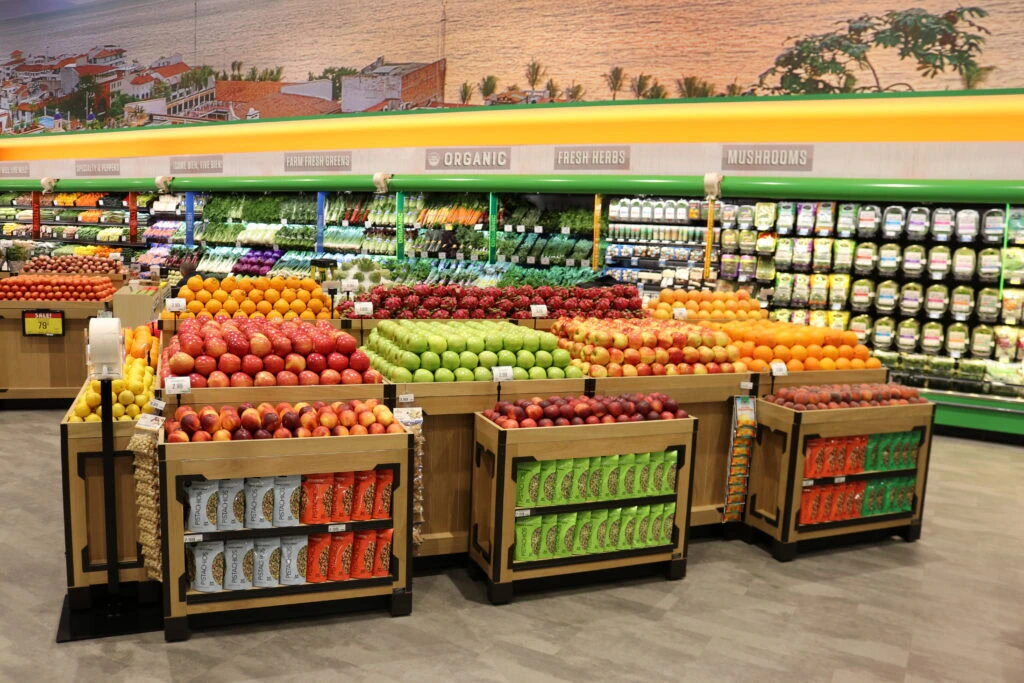
Clean and Organized Beats Overstocked Every Time
One of the biggest in-store shifts is subtle but powerful.
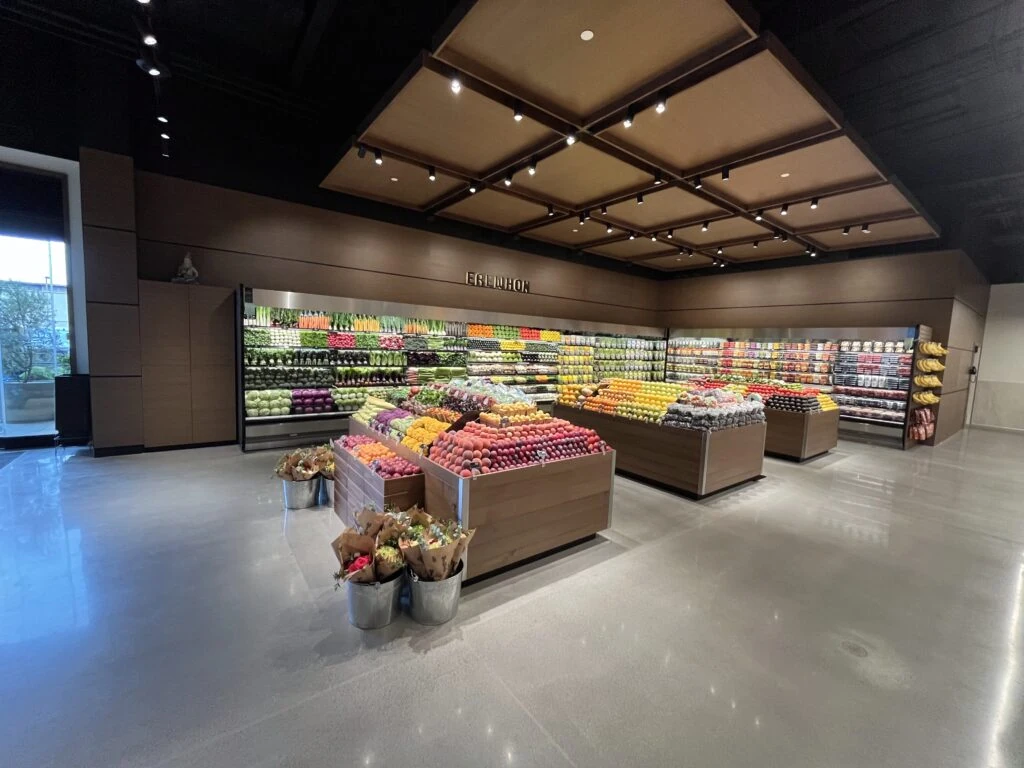
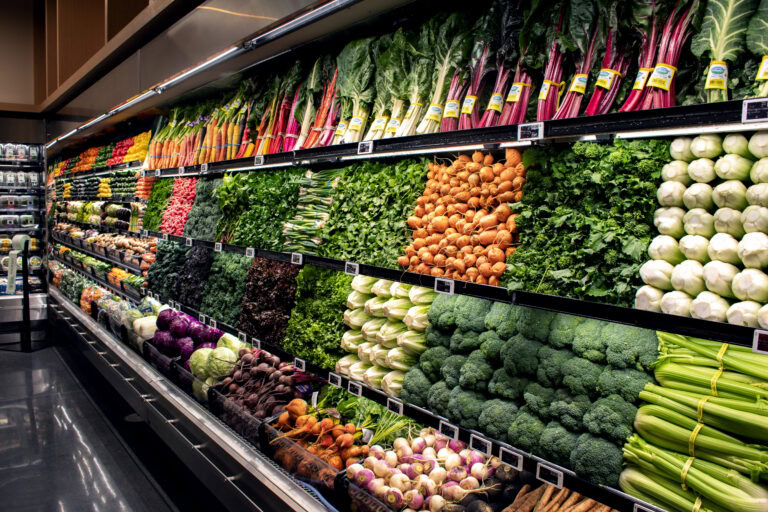
Shoppers move away from chaotic abundance and toward departments that are organized, intentional, and easy to navigate.
Numerous behavior studies show that shoppers associate neatness with quality and care. When produce looks crowded or messy, even high-quality items can feel cheap.
Today’s shoppers expect:
- Clear groupings of items
- Logical, consistent presentation
- Displays that look maintained throughout the day
This matters for all fresh categories. Clean presentation builds trust for produce grocery shoppers and also sets expectations for adjacent departments like meat and seafood.
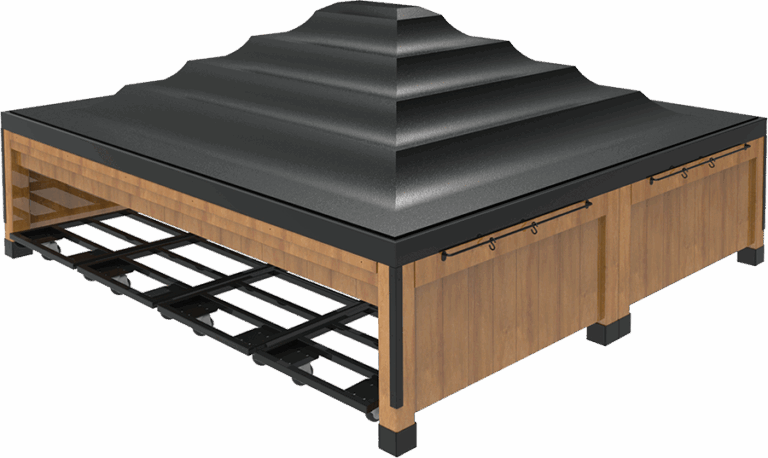
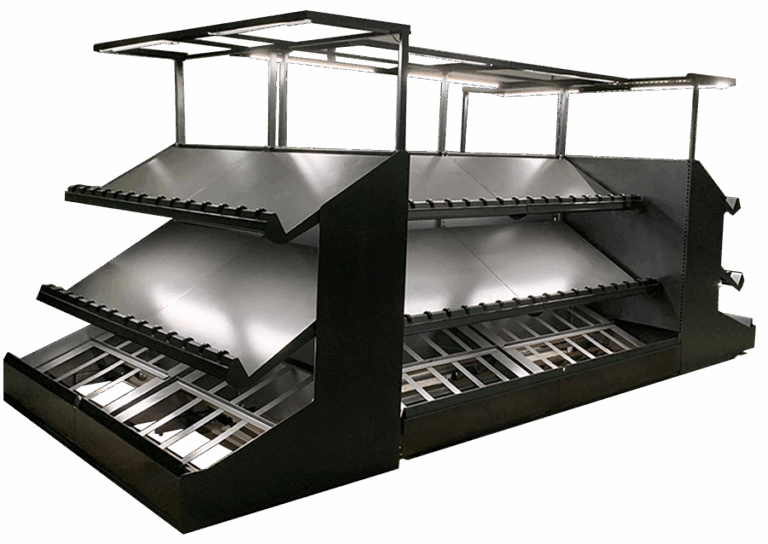
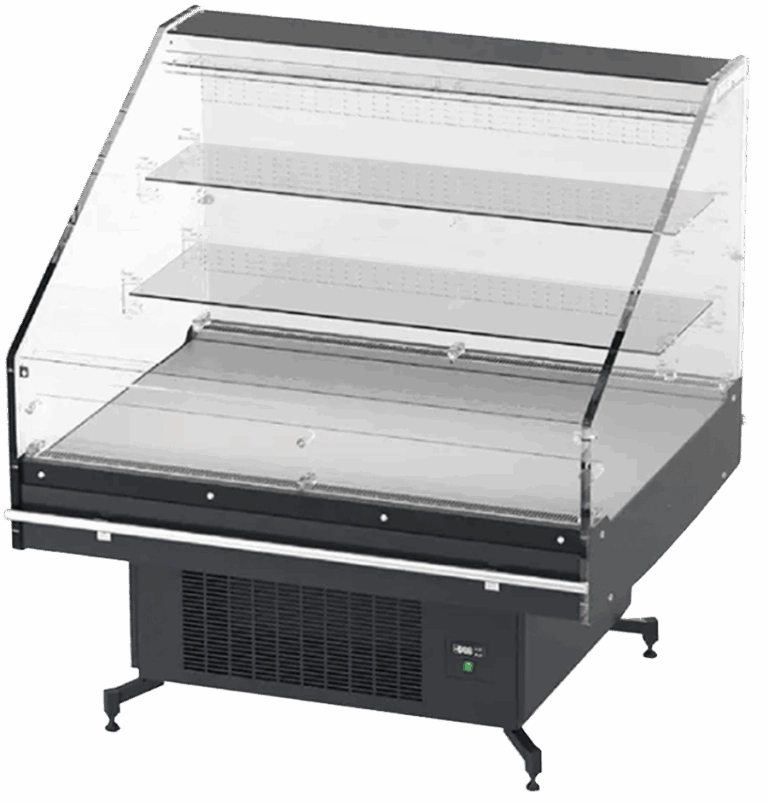
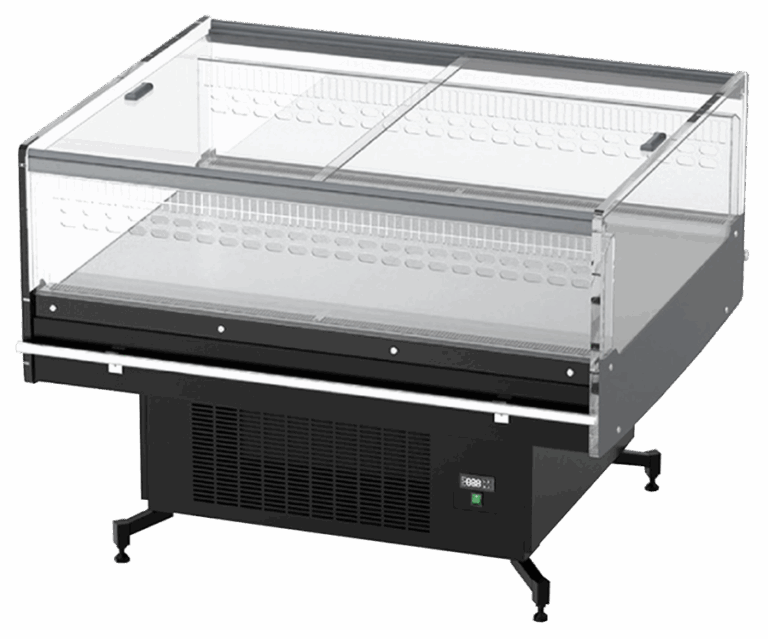
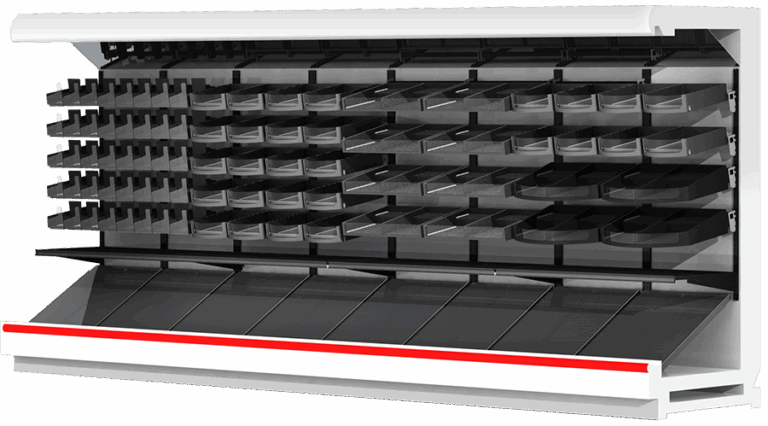
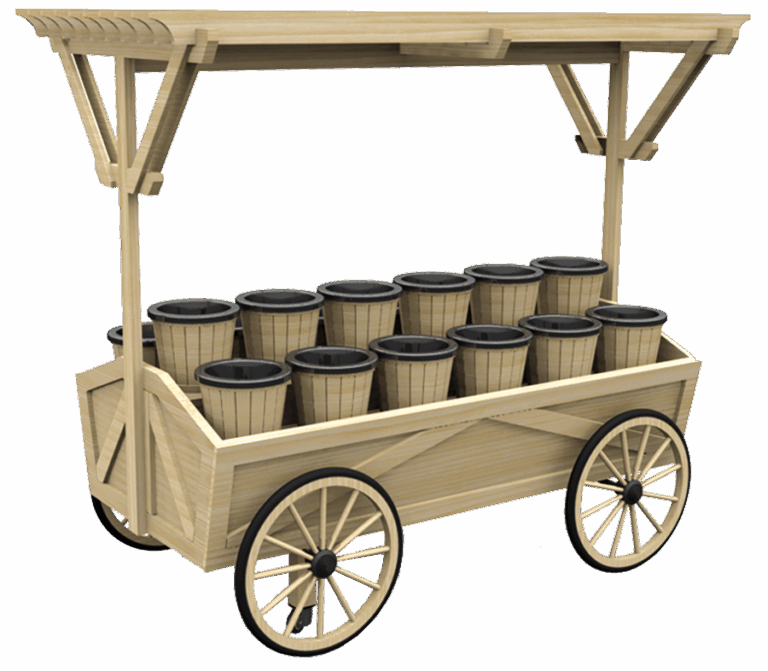
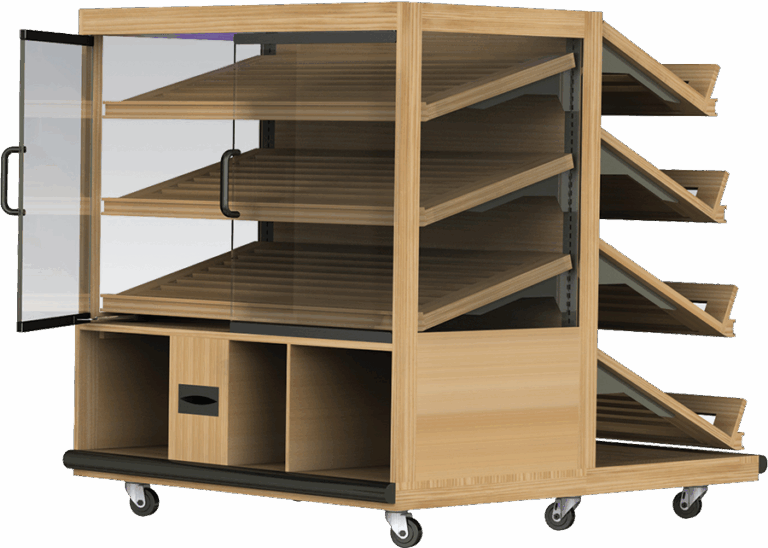
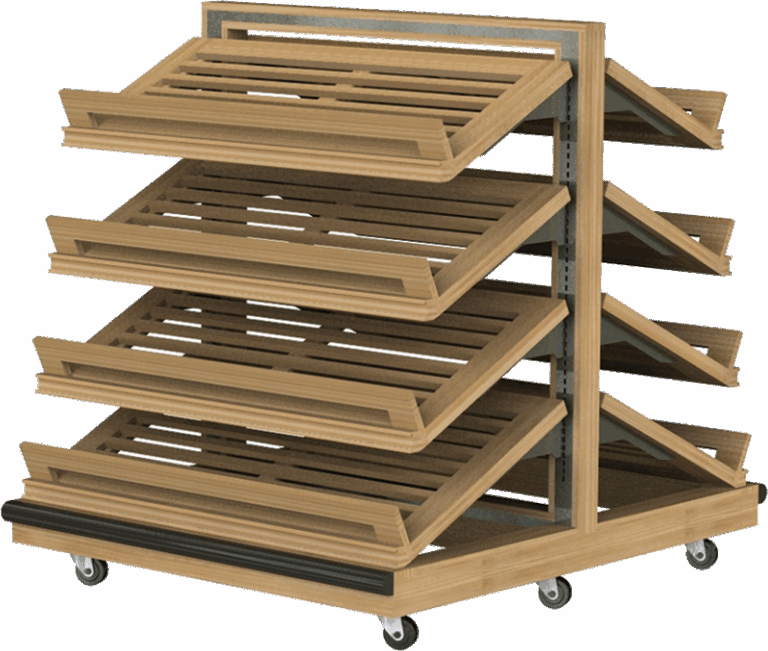
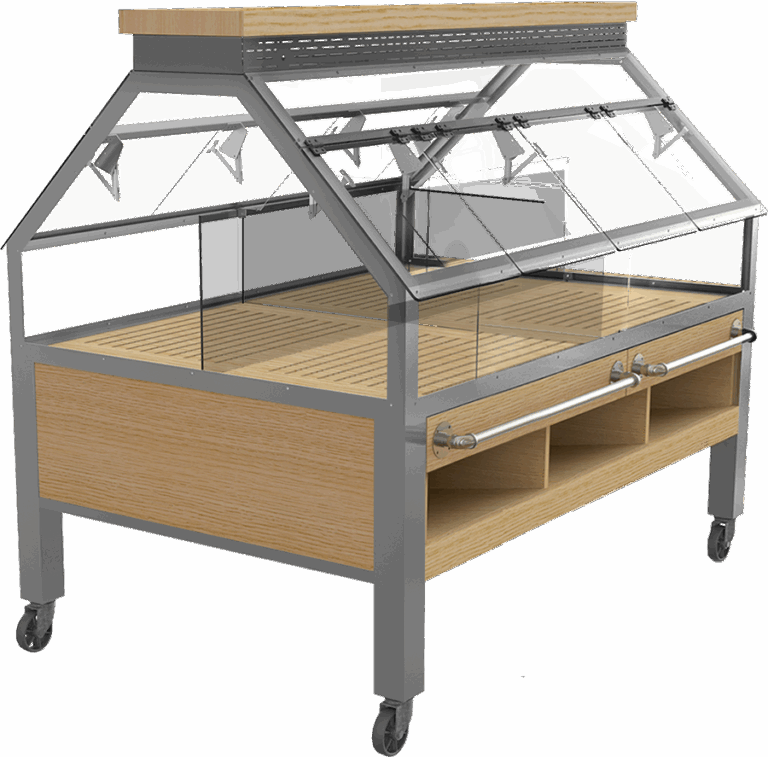
From a merchandising standpoint, fixtures that provide structure and guidance help teams keep that standard without adding unnecessary labor.
Grab and Go Is No Longer Optional
Time is the new currency for grocery shoppers. People are still prioritizing fresh foods, but they want faster, smarter decisions. Many shoppers plan meals while in the store, not before they arrive.
This shows up as:
- Easy access to high-quality produce and proteins
- Logical adjacencies that support meal building
- Simple, low-barrier decisions at the shelf
Grab and go doesn’t mean packaged only. It means intuitive access, whether it’s bagged berries or a curated mix of proteins and produce for a dinner idea.
Fixtures that allow open reach and visibility help shoppers move quickly while still feeling confident in their choices.
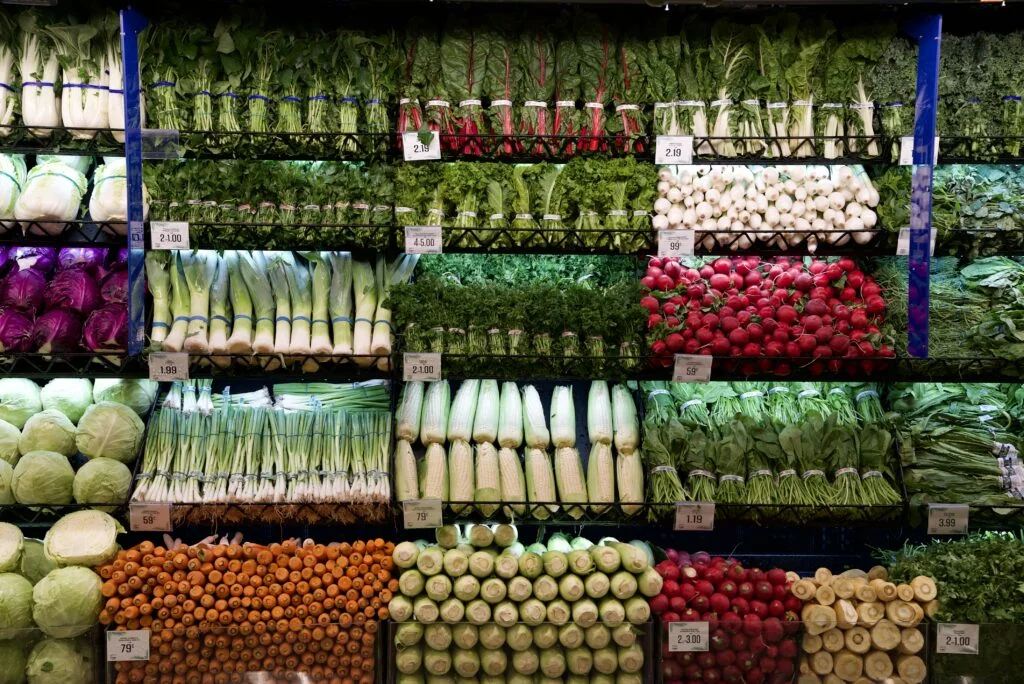
Organic and Clean Ingredient Expectations Are Built-In
Health and wellness are no longer niche priorities, they are baseline expectations.
The updated dietary guidance explicitly encourages consumption of whole fruits and vegetables, and nutrient-dense proteins from both animal and plant sources.
Shoppers now assume that organic options will be clearly visible, clean ingredient messaging will be straightforward, and departments will support health-oriented choices.
If organic or clean labels feel hidden or hard to find, shoppers will hesitate. If these options are presented clearly and supported by straightforward design, confidence and conversion increase.
Clear Pricing and Signage Builds Trust
Price awareness is extremely high right now.
Shoppers today don’t just want good prices, they want clarity. Unclear pricing creates hesitation, regardless of food quality or department tier.
This is especially true for health-oriented items where shoppers may already be paying a premium. Clear pricing, paired with intuitive signage, reduces friction and reinforces trust.
From a design perspective, fixtures need to support:
- Consistent sign placement
- Updated pricing without visual clutter
- Clear differentiation between conventional and organic/clean ingredient options
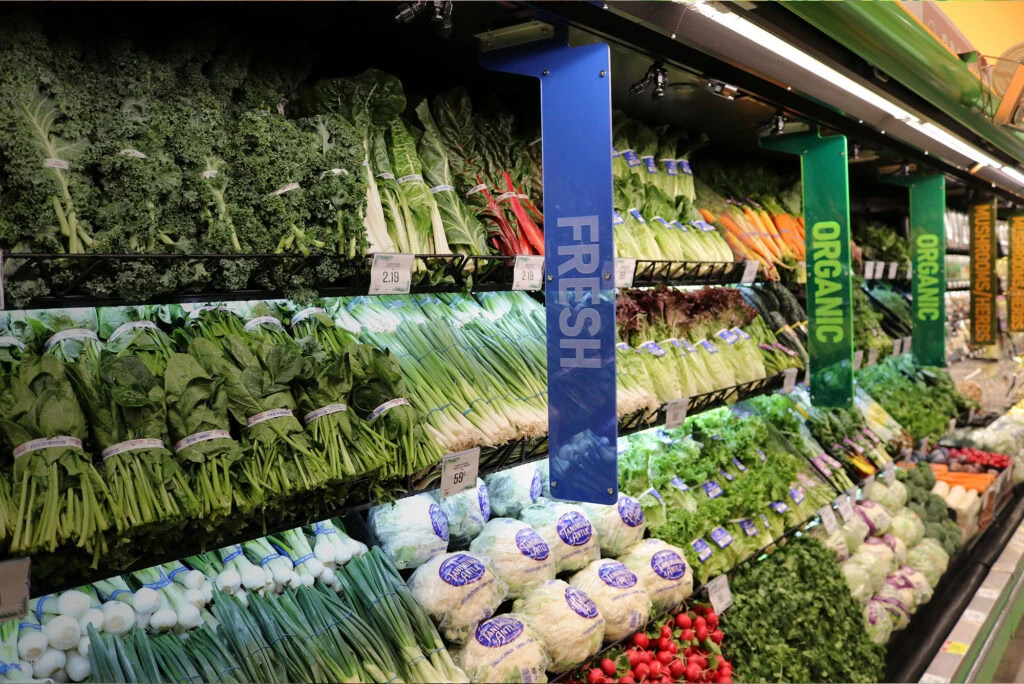
Why Fixture Decisions Matter More Than Ever
Each of these expectations ties back to one reality: produce merchandising today is about supporting real and relevant shopper behavior.
Shoppers want intuitive, clean, and health-aligned experiences in every fresh department from produce to meat and seafood.
In 2026, understanding what shoppers expect is imperative to the success of a fresh department.
For buyers and designers alike, the opportunity is clear: thoughtful merchandising and fixture choices that reflect real behavior are the ones that will drive sales and repeat customers.
That’s why merchandising choices in all fresh departments matter now more than ever.